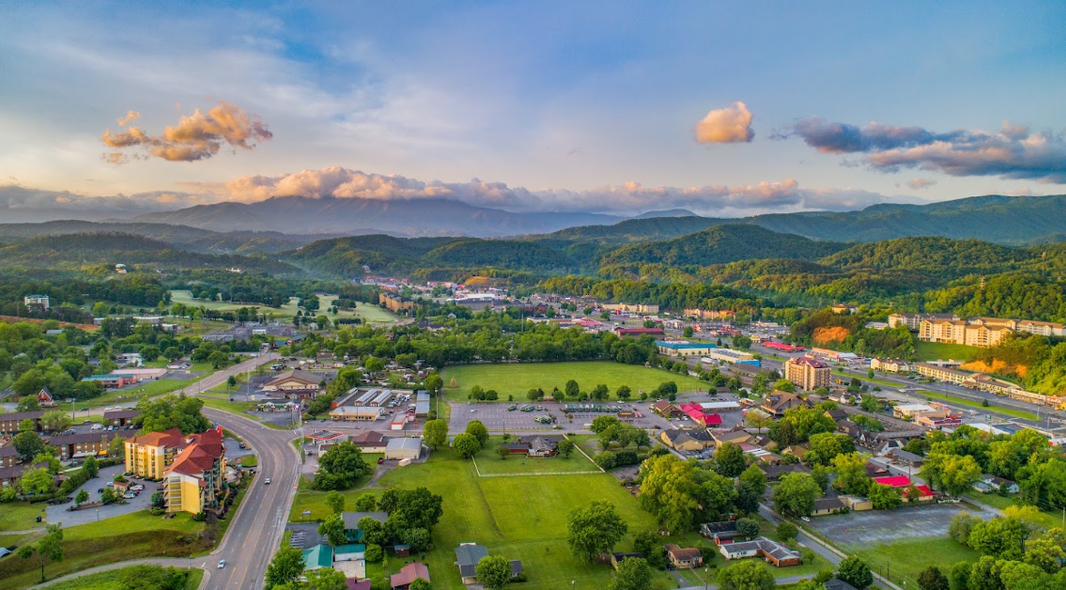
Pigeon Forge has a talent for keeping teens and adults busy without making the trip feel like a forced “family fun” schedule. Between entertainment, food, mountain scenery, and plenty of ways to fill a day, it’s easy to build a trip that works for different ages and energy levels. The trick is choosing activities that genuinely suit your group rather than stacking the itinerary with whatever happens to be popular. A little strategy can make the whole experience feel smoother, especially during busy travel periods.
Start With Activities That Keep Everyone Engaged
The fastest way to make a group trip feel frustrating is choosing activities that only one person enjoys. A better approach is to look for experiences with broad appeal and a relatively low commitment.
If your group wants something playful without needing to devote an entire day to it, mini golf in Pigeon Forge TN, at Toy Box Mini Golf can be an easy addition to a Pigeon Forge itinerary. The casual setup works well for teens, younger children, and adults who want something social, lighthearted, and easy to fit between larger plans.
You can also build a stronger itinerary by mixing shorter and longer activities:
- Choose one main attraction for the day
- Add one shorter activity later
- Leave room for meals and downtime
- Keep a backup option for changing weather
That balance helps the day feel fun instead of overpacked.
Pick Activities That Match the Season
Timing can shape the entire feel of a family trip. Warm weather often makes outdoor activities more appealing, while cooler or rainy days may be better suited to indoor entertainment.
Instead of choosing activities first and hoping the weather cooperates, think about the season when building your itinerary.
A practical approach might look like this:
- Use warmer days for outdoor attractions and walking
- Save indoor activities for rainy or cooler periods
- Book popular experiences ahead during busy travel weeks
- Keep at least one flexible option that can shift to another day
It also helps to avoid planning every hour in advance. A little structure is useful, but too much can make a family trip feel like a schedule-management exercise.
Include a Few High-Energy Options
Teens often appreciate activities that feel active, competitive, or immersive. That doesn’t mean every stop needs to be intense, but including at least one higher-energy experience can help keep the itinerary interesting.
Depending on your group, that might include:
- Thrill rides
- Interactive games
- Escape-style challenges
- Climbing or adventure activities
- Hands-on exhibits
- Competitive attractions
The key is variety. If every activity is high-energy, people may burn out quickly. If everything is slow-paced, younger travelers may lose interest.
A balanced trip usually alternates between active experiences and easier periods where everyone can eat, relax, or simply wander.
Don’t Ignore the Practical Side of the Trip
A great itinerary can still fall apart if you ignore traffic, timing, and basic stamina.
Try grouping activities by area rather than bouncing back and forth throughout the day. Even short drives can take longer than expected in busy tourist destinations, especially during peak periods.
A few practical habits can make a noticeable difference:
- Start popular activities earlier in the day
- Use timed tickets when available
- Wear comfortable shoes
- Carry water and phone chargers
- Build extra time into transitions
- Avoid booking major activities back-to-back
It’s usually better to arrive early and have a few quiet minutes than to spend the day rushing from one reservation to the next.
Add Some Outdoor Time Without Overcomplicating Things
Entertainment-heavy trips can benefit from a little time outdoors. You don’t need to plan a full wilderness adventure to get that change of pace.
A scenic drive, short walk, picnic, or easy overlook can give everyone a break from crowds and indoor attractions. Outdoor time can also make the trip feel more varied without requiring another expensive ticket.
Before heading out, check current conditions and make sure the activity suits everyone participating. The National Park Service trip-planning guidance recommends researching weather, conditions, and potential hazards before an outdoor outing.
For families with mixed ages, it can be helpful to choose shorter and more accessible options rather than assuming everyone wants a long hike.
Give Teens Some Say in the Schedule
One of the easiest ways to improve a family trip is to let older kids help shape part of it.
Instead of planning everything for them, ask each person to choose one activity, meal, or stop they genuinely want to do. That small amount of input can make the whole itinerary feel less forced.
You can also build in periods where the family splits into smaller groups. Some people may want something active, while others prefer shopping, relaxing, or getting food.
That flexibility isn’t a sign that the trip is poorly planned. It often makes the shared activities better because people aren’t being dragged through things they never wanted to do in the first place.
Plan Around Weather and Heat
Outdoor activities can be much less enjoyable when weather catches you off guard. Heat, rain, and sudden temperature changes can all affect the day.
Check the forecast before heading out, especially if you plan to spend several hours outdoors. On hot days, schedule more demanding activities earlier and leave the middle of the day for indoor stops, meals, or rest.
The CDC’s extreme heat guidance recommends staying hydrated, limiting strenuous activity during the hottest parts of the day, and paying attention to signs of heat-related illness.
Even when the temperature doesn’t seem extreme, long periods of walking and standing can wear people down faster than expected.
Make Food Part of the Plan
Meals shouldn’t be treated as random gaps between attractions. They can be some of the most enjoyable parts of a family trip, especially when everyone needs a break.
Try deciding on at least one main meal before the day starts. That prevents the familiar situation where everyone gets hungry at once and nobody can agree on where to go.
A few simple strategies help:
- Eat slightly earlier or later than peak meal times
- Keep snacks in the car or day bag
- Choose one planned sit-down meal
- Leave another meal casual and flexible
- Avoid waiting until everyone is exhausted to decide on dinner
A relaxed meal can reset the group and make the rest of the day go much more smoothly.
End the Day With Something Low-Stress
The last activity of the day doesn’t need to be the biggest one.
After several hours of walking, waiting, and moving between activities, a simpler evening often works better. Consider something casual, such as dessert, a short walk, a game, or a relaxed meal.
For a smoother final stretch:
- Choose dinner before everyone gets too hungry
- Avoid stacking multiple reservations late in the day
- Keep the last activity flexible
- Leave room to head back early if people are tired
The best family days often end while everyone is still in a good mood rather than after one final activity too many.
Build a Trip That Fits Your Group
A good family getaway doesn’t need to include every attraction you can find. It needs a mix that suits the people actually traveling.
Some families want high-energy activities and nonstop entertainment. Others prefer games, food, and plenty of downtime. Most groups fall somewhere in the middle.
A balanced plan usually includes:
- One main activity each day
- One shorter or flexible option
- Time for meals and rest
- A mix of indoor and outdoor experiences
- Enough open space to change plans
When you plan around your group’s real interests and energy levels, the trip feels less like managing a checklist and more like spending time together.
That’s usually what makes the experience memorable in the first place.