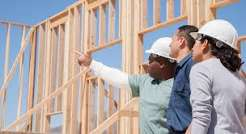
Financing a newly built property can look similar to financing an existing home, but builder incentives, construction stages, rate timing, upgrades, and closing dates introduce additional decisions. Buyers exploring houses for sale new construction should understand their financing options before selecting a home or signing a builder agreement.
Getting preapproved early can establish your budget and make it easier to compare available homes without stretching beyond a comfortable monthly payment.
Start With Mortgage Preapproval
A lender’s preapproval provides an estimate of how much you may be able to borrow based on your financial profile.
The lender typically reviews information including:
- Income
- Credit
- Existing debt
- Assets
- Down payment
- Employment
Preapproval also gives you a clearer price range before touring homes.
Understand What Type of New Construction You Are Buying
Financing can differ depending on the property.
Completed or Nearly Completed Home
A completed new construction home can often be purchased using a mortgage process similar to a resale property.
Production Home Under Construction
With many builder developments, the builder finances construction and the buyer closes using a regular mortgage when the home is ready.
Custom Build
A true custom project may require construction financing, which works differently because funds are needed during the building process.
Understanding the structure prevents confusion when comparing loans.
Ask About Builder Financing Incentives
Builders sometimes partner with preferred lenders.
Potential incentives can include:
- Closing-cost credits
- Temporary rate buydowns
- Permanent rate buydowns
- Upgrade allowances
These incentives can reduce upfront or monthly costs, but buyers should compare the full loan.
Zillow reports that preferred-lender incentives are common in new construction transactions.
Compare the Loan Estimate
Do not compare mortgages using the interest rate alone.
Review:
- Interest rate
- APR
- Origination charges
- Discount points
- Lender credits
- Closing costs
- Mortgage insurance
- Monthly payment
A large builder credit may be less valuable if the underlying loan has higher costs.
An outside lender quote gives you another point of comparison.
Budget for Upgrades
The advertised home price may not include every feature you want.
Upgrades can include:
- Premium flooring
- Cabinets
- Countertops
- Lighting
- Additional rooms
- Bath upgrades
Determine whether upgrades will be paid separately or included in the final purchase price.
Smith Family Homes currently notes optional upgrades for its Gwinnett Plan, so buyers should verify pricing and availability before making decisions.
Plan for the Appraisal
Your lender generally requires an appraisal before closing.
If upgrades increase the contract price significantly, remember that the home still needs to support the financed value according to the lender’s appraisal process.
Discuss major upgrade decisions with your lender before assuming every dollar can be financed.
Watch Your Credit During Construction
If your home will not close for several months, your financial profile may be reviewed again before closing.
Avoid making major credit changes without speaking to your lender.
Examples include:
- Financing a vehicle
- Opening new credit cards
- Taking personal loans
- Changing jobs unexpectedly
- Making large unexplained deposits
Realtor.com specifically cautions new-construction buyers against major purchases during the building period because changes to credit can affect mortgage approval.
Understand Rate-Lock Timing
A long construction period can complicate interest-rate planning.
Standard rate locks may not extend far enough for a home that is still months from completion.
Ask your lender:
- When can the rate be locked?
- How long does the lock last?
- Is an extension available?
- What does an extension cost?
- Are long-term lock programs available?
The appropriate strategy depends on the expected completion date.
Keep Closing Costs in Your Budget
Your cash requirement can include:
- Down payment
- Lender fees
- Title-related costs
- Prepaid taxes
- Homeowners insurance
- Escrow funding
- Other transaction costs
Ask for updated estimates as closing approaches.
Compare Monthly Cost, Not Just Purchase Price
Two homes with similar prices can have different monthly costs because of:
- Mortgage rates
- HOA fees
- Insurance
- Taxes
- Down payment
- Loan program
Evaluate the complete housing payment before deciding which community fits your budget.
Finance Your New Construction Purchase With a Clear Plan
New construction financing is easier to manage when you understand the home type, lender options, incentives, upgrades, rate timing, and closing costs before signing.
If you are searching for houses for sale new construction, connect with Dannielle Grassa to review current Smith Family Homes options in Coastal Georgia and coordinate your property search with your financing timeline.