Choosing the right tile for your home can feel overwhelming. Between endless patterns, finishes, and materials, it’s easy to get lost before you even pick up a sample. That’s where working with experienced tile professionals makes all the difference. The right partner doesn’t just install tile — they help you make decisions that improve your home’s value, durability, and everyday comfort for years to come.
Whether you’re renovating a single bathroom or redesigning an entire home, tile sets the tone for how a space looks and feels. It’s one of the most visible design choices you’ll make, and it’s also one of the most functional. Good tile work holds up to moisture, foot traffic, and daily wear, while poor installation can lead to cracked grout, uneven surfaces, and costly repairs down the line.
This post walks through what goes into professional tile services, how to choose materials that fit your lifestyle, and why expert installation matters more than most homeowners realize.
Why Professional Tile Installation Matters More Than You Think
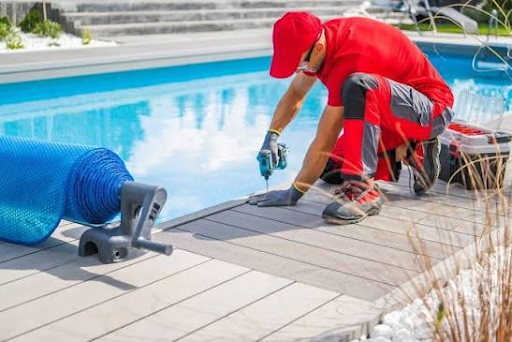
A lot of homeowners assume tile installation is simple — lay the tile, add grout, done. In reality, proper installation involves careful surface preparation, precise measurements, and an understanding of how materials expand, contract, and settle over time.
Subfloor condition plays a huge role in the outcome. If the surface underneath isn’t level or properly reinforced, tiles can crack or shift within months. Moisture barriers matter just as much, especially in bathrooms and kitchens where water exposure is constant. Skipping these steps to save time often leads to expensive fixes later.
Professional installers also know how to handle tricky areas: corners, transitions between rooms, curved surfaces, and intricate patterns that require exact cuts. These details separate a polished finish from one that looks rushed.
How to Choose the Right Tile Material for Your Space
Not all tile is created equal, and the best choice depends heavily on where it’s going and how the space gets used.
Porcelain is dense, water-resistant, and holds up well in high-traffic areas like entryways and kitchens. It’s a reliable choice for homeowners who want durability without constant upkeep.
Ceramic tends to be more budget-friendly and works well in low-moisture areas like living rooms or accent walls. It offers a wide range of colors and patterns, making it a popular pick for decorative projects.
Natural stone, including marble, travertine, and slate, brings a unique, upscale look that mass-produced materials can’t replicate. It does require more maintenance, including periodic sealing, but many homeowners find the visual payoff worth the extra care.
Glass and mosaic tiles are often used for accents, backsplashes, or shower niches. They catch light beautifully and add texture, though they’re usually paired with a more durable primary material for larger surfaces.
The right material depends on your priorities. If low maintenance matters most, porcelain is usually the safer bet. If you’re after a distinctive, high-end aesthetic and don’t mind occasional upkeep, natural stone delivers a look that’s hard to match.
Design Trends Shaping Tile Choices Today
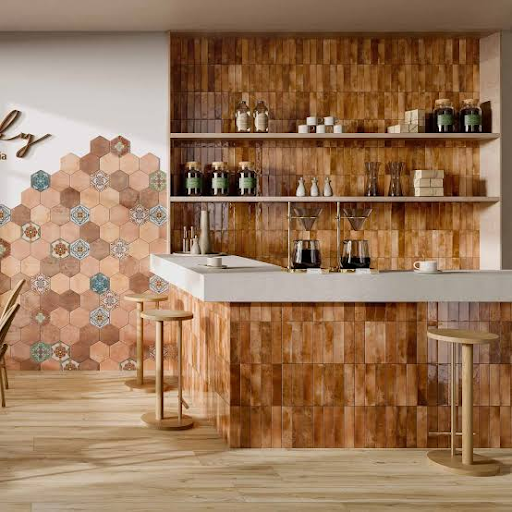
Large-format tiles continue to grow in popularity because they create a cleaner, more seamless look with fewer grout lines to maintain. Homeowners are also gravitating toward warm, earthy tones instead of stark white or gray palettes, bringing a softer, more inviting feel to kitchens and bathrooms.
Textured tiles are having a moment too. Subtle ridges, matte finishes, and hand-crafted looks add depth to a room without overwhelming the design. Herringbone and chevron patterns remain a favorite for flooring, offering visual movement that flat, uniform layouts can’t achieve.
None of these trends work well, though, without installation that respects the pattern’s geometry. A herringbone floor laid slightly off-angle, for instance, draws the eye in all the wrong ways. This is another reason why skilled hands behind the project matter just as much as the material itself.
What to Expect When Working with a Tile Company
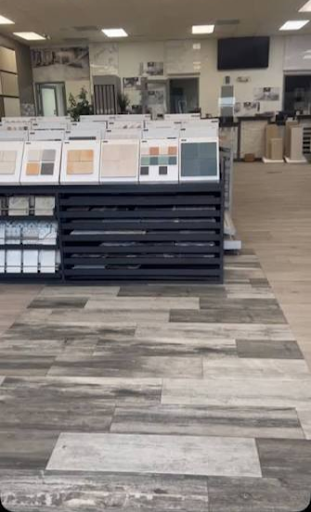
A good tile company does more than hand you a catalog and start cutting. The process typically begins with a consultation to understand your space, your budget, and your design goals. From there, a reputable installer will walk you through material options, help you estimate costs accurately, and set realistic timelines.
During installation, clear communication matters. You should know what’s happening at each stage, from subfloor prep to grouting and sealing. After the project wraps up, care instructions — like how often to reseal natural stone or which cleaning products to avoid — help protect your investment long-term.
Homeowners looking for dependable craftsmanship and personalized guidance throughout their renovation will find that Roma Tile of New York brings both the technical expertise and design sensibility needed to turn a tile project into a lasting upgrade for the home. From material selection to final finishing touches, working with a team that treats every detail with care makes the difference between a project that looks good on day one and one that holds up beautifully for years.
Making Your Tile Project a Success
A well-executed tile project changes how a room feels — not just how it looks. It affects comfort underfoot, how easy a space is to clean, and how well it holds up to daily life. Getting there starts with choosing the right material for your needs and partnering with installers who understand the technical details that make tile work last.
If you’re planning a renovation, take time to research your material options, ask questions about installation methods, and request references or examples of past work. A little homework upfront goes a long way toward avoiding costly surprises later.
Frequently Asked Questions
How long does a typical tile installation take?
Timelines vary based on project size and complexity, but a standard bathroom floor might take one to two days, while larger projects involving multiple rooms or intricate patterns can take a week or more.
Is natural stone tile high maintenance?
Natural stone requires periodic sealing to prevent staining and moisture damage, typically once a year, depending on the stone type and how much traffic the area gets. With proper care, it can last for decades.
Can tile be installed over an existing floor?
In some cases, yes, but it depends on the condition and type of the existing surface. A professional assessment helps determine whether removal is necessary or if installing over the current floor is safe and structurally sound.
What’s the difference between porcelain and ceramic tile?
Porcelain is denser and more water-resistant, making it better suited for high-moisture or high-traffic areas. Ceramic is generally more affordable and works well in lower-impact spaces.