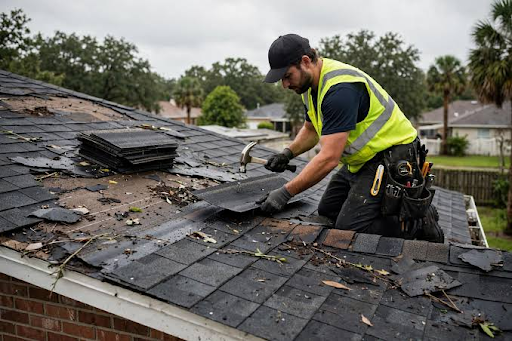
A dripping ceiling rarely announces itself at a convenient time. One minute you’re enjoying a quiet evening at home, and the next you’re scrambling for a bucket while water stains spread across your ceiling. Roof leaks have a way of hiding until they’ve already caused damage, which is exactly why homeowners need to know the warning signs and have a trusted team ready to respond.
At Crown Residential Services LLC, we’ve seen firsthand how a seemingly minor leak can escalate into mold growth, compromised insulation, and even structural damage if it’s left unaddressed. The good news? Most roof leaks are preventable, and the ones that do happen can be fixed quickly when you know what to look for and who to call.
This post walks through the common causes of roof leaks, the signs every homeowner should watch for, and what you can expect when you bring in a professional team to handle repairs the right way.
What Causes Roof Leaks in the First Place?
Roofs are built to withstand a lot, but they’re not invincible. Over time, exposure to sun, wind, rain, and temperature swings wears down even the sturdiest materials. Here are some of the most frequent culprits behind residential roof leaks:
Damaged or missing shingles. High winds and storms can lift, crack, or completely tear shingles away, leaving the underlying layers exposed to moisture.
Worn flashing. Flashing is the metal material installed around chimneys, vents, and skylights to seal gaps. When it corrodes or loosens, water finds its way underneath.
Clogged gutters. When gutters fill with leaves and debris, water has nowhere to go but back up under the roofline, slowly seeping into your home.
Ice dams. In colder climates, melting snow can refreeze at the roof’s edge, creating a dam that forces water backward under shingles.
Age-related wear. Every roofing material has a lifespan. Once a roof surpasses its expected service life, small issues tend to multiply quickly.
Understanding the root cause matters because it shapes the entire repair approach. A leak caused by a single cracked shingle calls for a very different fix than one caused by widespread flashing failure.
Signs You May Have a Roof Leak
Not every leak shows up as an obvious drip from the ceiling. Many start small and quiet, which is why regular inspection habits pay off. Keep an eye out for:
- Yellow or brown stains spreading across ceilings or walls
- Peeling paint or bubbling drywall
- A musty smell, especially in the attic
- Visible mold or mildew growth
- Missing, curling, or cracked shingles when viewed from the ground
- Sagging areas on the roofline
If you notice any of these red flags, don’t wait for the problem to grow. Catching a leak early almost always means a faster, less expensive repair.
Why DIY Fixes Often Fall Short
It’s tempting to grab a tube of sealant and patch things up yourself, and for very minor issues, that might buy you some time. But roof repair involves more than plugging a hole. A leak is often a symptom of a larger issue happening beneath the surface, including compromised underlayment, decking damage, or hidden moisture that’s already spreading.
Climbing onto a roof also carries real safety risks, particularly for anyone without the right equipment or experience. Beyond safety, an improper patch can trap moisture against the roof deck, accelerating rot rather than preventing it. What looks like a quick fix on the surface can end up masking a problem that gets worse out of sight.
This is where a professional eye makes a measurable difference. Trained technicians know how to trace a leak back to its actual source, rather than just treating the spot where water happens to be dripping through.
How Crown Residential Services LLC Handles Roof Repairs
When you work with our team, we start every job with a thorough inspection. We don’t just look at the spot where you noticed water coming in; we examine the surrounding roofing materials, attic space, and ventilation system to understand the full picture. This approach helps us identify secondary damage that homeowners often miss, like soaked insulation or weakened decking.
Our team of licensed and experienced local technicians believes roof leak repair done right starts with identifying the true source of the problem, not just patching the visible symptom, and that’s exactly the philosophy we bring to every project we take on. We use high-quality materials matched to your existing roof system, so repairs blend seamlessly and hold up for years to come.
We also believe in transparent communication. Before any work begins, we walk you through what we found, what needs to be done, and what it will cost. No surprise charges, no vague explanations. Just a clear plan and a team that respects your time and your home.
Because we’re a local company, we understand the specific weather patterns and roofing challenges common to this area. That regional knowledge helps us recommend solutions built for long-term durability, not just a quick patch that might need redoing next season.
Protecting Your Home Starts with Acting Early
A roof leak is rarely just about the roof. Left unchecked, it can affect your home’s insulation, electrical systems, and indoor air quality. Addressing the issue promptly protects not only your property value but also the comfort and safety of everyone living under that roof.
If you’ve spotted warning signs or simply want peace of mind before the next storm season, reach out to Crown Residential Services LLC. Our team is ready to inspect your roof, explain exactly what’s going on, and get the repair done with quality workmanship you can count on.
Frequently Asked Questions
How much does it typically cost to repair a roof leak?
Costs vary depending on the extent of the damage, the roofing material, and how much of the structure underneath has been affected. A full inspection is the best way to get an accurate estimate for your specific situation.
How long does a roof leak repair take?
Most minor to moderate repairs can be completed in a single day. More extensive damage involving decking or large sections of shingles may take longer.
Can a roof leak repair wait until spring or summer?
It’s best not to wait. Moisture that sits inside your home’s structure can lead to mold growth and further deterioration, regardless of the season.
Will homeowner’s insurance cover roof leak repairs?
Coverage depends on your specific policy and the cause of the damage. Storm-related leaks are often covered, while leaks from age or lack of maintenance may not be. Checking with your provider is always a good first step.