A haircut occupies a strange place in a man’s routine. It is frequent enough to feel ordinary and personal enough that a bad one lingers for weeks. Yet most men choose where to sit based on proximity or a coupon rather than any real sense of what the hour should feel like. The result is a routine that gets tolerated for years rather than enjoyed.
The Difference Between a Cut and a Visit
Plenty of places will shorten hair competently. Fewer treat the appointment as something with a shape to it. The distinction tends to show up in small decisions: whether the barber asks about the last cut before starting, whether a hot towel or shoulder massage appears without being requested, whether the room is quiet enough to hear a conversation through.
Those details cost the shop a few extra minutes each time. They are also the reason a man will drive past three closer options to keep a standing slot on the calendar.
What the Room Says
Walk into most modern grooming spaces and the first impression is volume. Bright screens, a playlist built for a gym, branding on every surface. Some clients enjoy that. Many sit through it and leave feeling less rested than when they arrived.
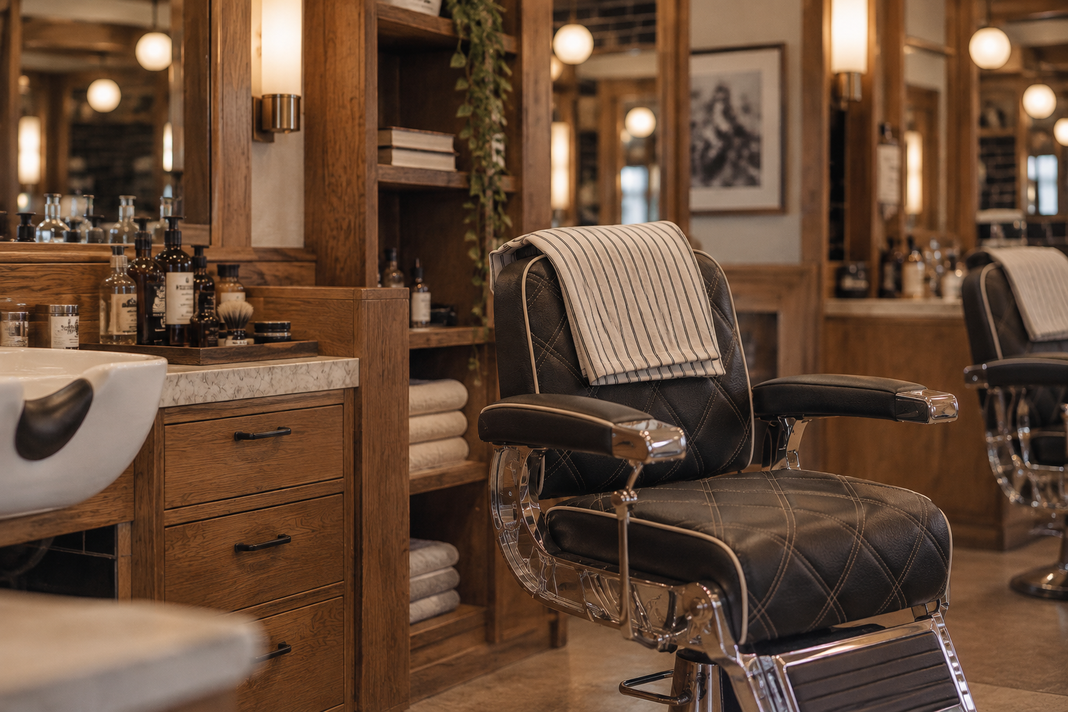
The older model worked differently. A record on a turntable, a film running without sound, chairs arranged so people could talk across them. Conversation drifted toward sports or markets or nothing at all, depending on the day. There is a reason that format survived a century before anyone thought to improve it.
Reading a Shop on the First Visit
A single appointment reveals more than a page of reviews ever will. Three things tend to give a place away:
- Whether the barber studies the shape of the head before reaching for whatever is in fashion
- Whether the men in the surrounding chairs look like regulars or first-timers
- Whether anyone is being moved along early to free up a seat
Men comparing one Southlake Barbershop against another usually settle it on pace. A shop that refuses to rush is deciding what kind of business it wants to be, and that decision shows up in the blend work, the neck shaves, and how the room feels on a busy Saturday.
The Habit of Going Back
Loyalty in grooming is unusually durable. Once a man finds a barber who remembers how his hair behaves in humidity, how short it gets before it starts to look wrong, and what he said about the last cut, he tends to stay for years. Fathers bring sons. Sons eventually bring their own, often into the same two chairs.
That kind of continuity does not come from a sharper pair of clippers. It comes from a shop that treats twenty minutes as worth doing properly, and from barbers who approach the work as a trade rather than a shift. The men who find a place like that generally stop looking.