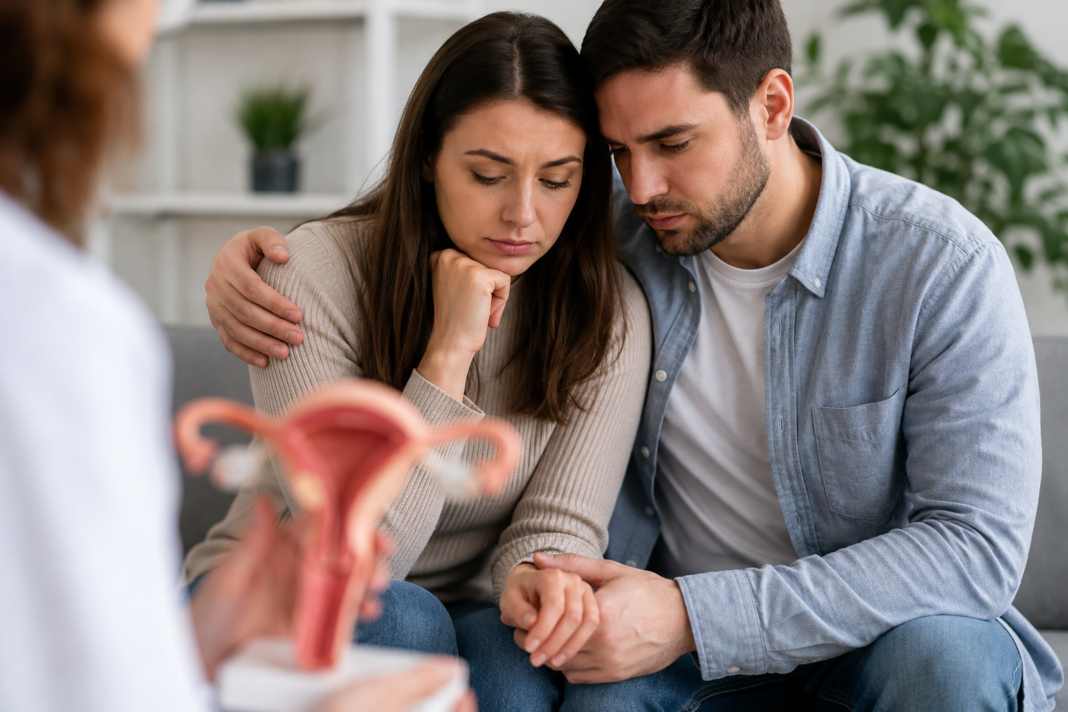
Unexplained infertility occurs when a couple cannot conceive despite normal results from fertility evaluations. Since standard tests assess anatomy and basic hormone levels, they sometimes miss other pregnancy barriers, such as silent endometrial inflammation. Here is more information about the diagnostic process for unexplained infertility:
Uterine Lining Biopsy
Specialists perform a uterine lining biopsy during an infertility workup to evaluate the cellular health of the endometrium. While ultrasounds and pelvic MRIs provide information about uterine structure, they do not detect all microscopic issues that could affect embryo implantation. Through a uterine lining biopsy, a specialist evaluates the cellular environment.
The timing of an endometrial biopsy depends on the purpose of the test and the phase of a woman’s reproductive cycle. For tests that assess the endometrium during the luteal phase, practitioners typically perform the biopsy a few days after ovulation. If a patient is undergoing an IVF mock cycle, the procedure is timed according to the protocol, often a few days after progesterone administration.
Before undergoing the biopsy, specialists review the patient’s recent uterine procedures and medications. Recent uterine interventions, such as a hysteroscopy, do not automatically prevent a biopsy, but the timing depends on the procedure and the reason for testing. Hormonal birth control does not need to be discontinued for every type of endometrial biopsy; the requirements depend on the test being performed. An active IVF egg retrieval cycle does not universally preclude a biopsy, although stimulation medications and treatment timing may affect whether the procedure is appropriate.
During an office visit, a gynecologist typically performs the biopsy without anesthesia. A fertility specialist inserts a flexible catheter through the cervix and into the uterine cavity. Using gentle suction, they collect a small tissue sample from the lining. The collection process typically takes a few minutes.
Bacterial Infection Screening
Fertility specialists evaluate the endometrium for pathogens and signs of inflammation that may be associated with impaired embryo implantation. Specialized screening uses uterine tissue to identify cellular markers of inflammation. Through bacterial screening, healthcare providers investigate potential causes of inflammation that affect reproductive health.
The process of screening for bacterial infections relies on laboratory techniques integrated into an endometrial evaluation. Pathologists analyze uterine tissue using specialized staining techniques to detect plasma cells, which are associated with chronic endometritis, a form of inflammation of the uterine lining. Additional laboratory tests, such as bacterial cultures or molecular testing, help identify specific pathogens. Integrating bacterial infection screening into the diagnostic process helps specialists determine appropriate treatment options.
Tissue Cell Analysis
Tissue cell analysis involves evaluating the characteristics of an endometrial biopsy sample. When a patient receives a diagnosis of unexplained infertility, standard evaluations, such as ultrasounds, have not identified a clear cause. Pathologists examine the tissue at the cellular level to investigate potential abnormalities. By examining the structure of the retrieved tissue under a microscope, pathologists identify changes that are not visible through imaging alone.
Cellular evaluation provides information about the uterine lining and potential abnormalities; this helps reproductive specialists investigate factors that can contribute to implantation difficulties. A microscopic investigation involves histological analysis, which evaluates endometrial tissue and provides information about its development in relation to the menstrual cycle.
During the review, pathologists examine the cellular maturation and structure of the uterine lining. If the tissue analysis reveals changes in endometrial development, the findings may prompt further evaluation of hormonal influences or other factors affecting uterine receptivity. By evaluating endometrial tissue alongside the patient’s clinical history and hormonal information, specialists gain additional insight into uterine health and potential factors affecting conception.
Results Interpretation
A medical professional reviews the pathology report, which details the cellular findings. After completing the analysis, the physician evaluates relevant endometrial markers to determine whether signs of uterine inflammation are present. If the results reveal elevated inflammatory markers, further evaluation may be necessary to identify the underlying cause; lower marker levels provide additional information but do not rule out all potential factors affecting implantation.
Learn About Unexplained Infertility
Endometrial testing is needed for women who have experienced repeated IVF implantation failures or recurrent pregnancy loss. Depending on the test, laboratory analysis examines endometrial tissue for markers of inflammation or other abnormalities that affect reproductive health. Contact a reputable diagnostic service provider to learn more about available testing options.