Your vagina is home to billions of bacteria. Together, they make up the vaginal microbiome, a tiny ecosystem that plays an important role in maintaining vaginal health.
However, like any ecosystem, its balance can shift. That’s where vaginal probiotics for women enter the conversation. They’re designed to introduce beneficial bacteria that may help support the vaginal microbiome.
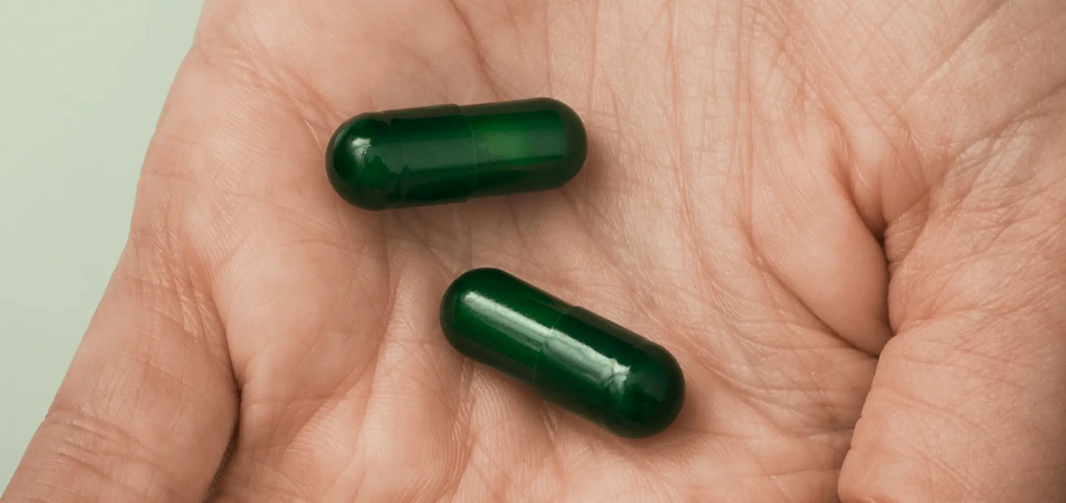
But what actually happens after you swallow a probiotic capsule or use a vaginal probiotic? Learn about vaginal probiotics in this guide.
Why Lactobacillus Matters
Lactobacillus is one of the most important bacteria in the vaginal microbiome. In many healthy vaginal microbiomes, bacteria from this group are especially abundant.
One of their important jobs is producing lactic acid. This helps maintain the vagina’s naturally acidic environment, typically around a pH of 3.8 to 4.5 during the reproductive years. That acidity matters because it can make the environment less welcoming to certain unwanted microorganisms.
That’s why many probiotics for women feature strains belonging to Lactobacillus. It’s important to remember, though, that different strains can have different characteristics. Spotting the word “probiotics” on a label doesn’t automatically tell you how a product will behave inside your body.
From Capsule to Microbiome: How Do Probiotics Get There?
In studies of oral probiotics, researchers have explored what’s often described as a gut-to-vaginal pathway. After surviving their journey through the digestive system, certain probiotic organisms may influence microbial communities and reach the vaginal area through natural transfer from the rectal and perineal regions.
Vaginal probiotics take a more direct route. Depending on the formulation, they’re placed inside the vagina, putting the microorganisms directly into the environment they’re intended to support. Whether a strain successfully persists or influences the vaginal microbiome can depend on the specific organism, formulation, and individual.
What Happens Once the Bacteria Arrive?
Beneficial bacteria support the vaginal microbiome in a few key ways. They may compete with other microorganisms for space and nutrients while producing compounds such as lactic acid that help support an acidic vaginal environment.
They can also interact with bacteria already living there. In other words, probiotics aren’t necessarily trying to wipe the microbial slate clean. The vagina naturally contains bacteria, and the goal is to support a microbial environment associated with vaginal health.
Why Vaginal Balance Can Change in the First Place
The vaginal microbiome is a constantly adjusting ecosystem, responding to what’s happening both inside and outside your body. Even when everything is healthy, the mix of microorganisms living there can change over time.
Hormonal fluctuations are one reason. Estrogen levels shift throughout the menstrual cycle and during life stages such as pregnancy and menopause, and those changes can influence the vaginal environment. Menstruation itself can temporarily affect vaginal pH, too.
Then there are outside factors. Antibiotics may affect beneficial bacteria along with the bacteria they’re intended to target. Sexual activity can temporarily alter vaginal pH and microbial composition, while certain hygiene habits and products, particularly douching, can disrupt the vagina’s natural environment.
That’s also why there isn’t necessarily one perfect microbiome that everyone should be trying to achieve. Vaginal microbial communities can vary from person to person, and some fluctuation is completely normal. Therefore, probiotics are best viewed as one potential tool for supporting microbial balance rather than a reset button.
Probiotics Aren’t All Interchangeable
Walking down the supplement aisle, it’s easy to assume that the probiotic with the biggest number on the label must be the best. However, that’s not necessarily the case.
When it comes to probiotics, more bacteria don’t automatically mean better results. The specific species and strains included in a product matter because different microorganisms can behave differently in the body. The formulation, dose, storage conditions, and whether a probiotic is taken orally or vaginally can also matter.
Research into probiotics for vaginal health continues to evolve. Some specific strains and combinations have produced encouraging findings for certain uses, while evidence for others remains limited or inconsistent. That makes it worth looking beyond broad claims like “supports feminine health” and checking whether a product clearly identifies the strains it contains.
Important note: Probiotics shouldn’t become a substitute for medical care. New, persistent, or unusual vaginal odor, discharge, itching, burning, or other symptoms are worth discussing with a healthcare professional, who can determine what’s actually going on.
These Tiny Bacteria Do a Surprisingly Complicated Job
Rather than replacing your existing microbiome, certain probiotic strains may help support an environment where beneficial bacteria can thrive. Their effects can depend on the strain, delivery method, formulation, and your existing microbiome.
Vaginal probiotics don’t work instantly or automatically fix imbalances on their own. But understanding how they’re intended to work makes it easier to separate promising microbiome science from marketing claims.