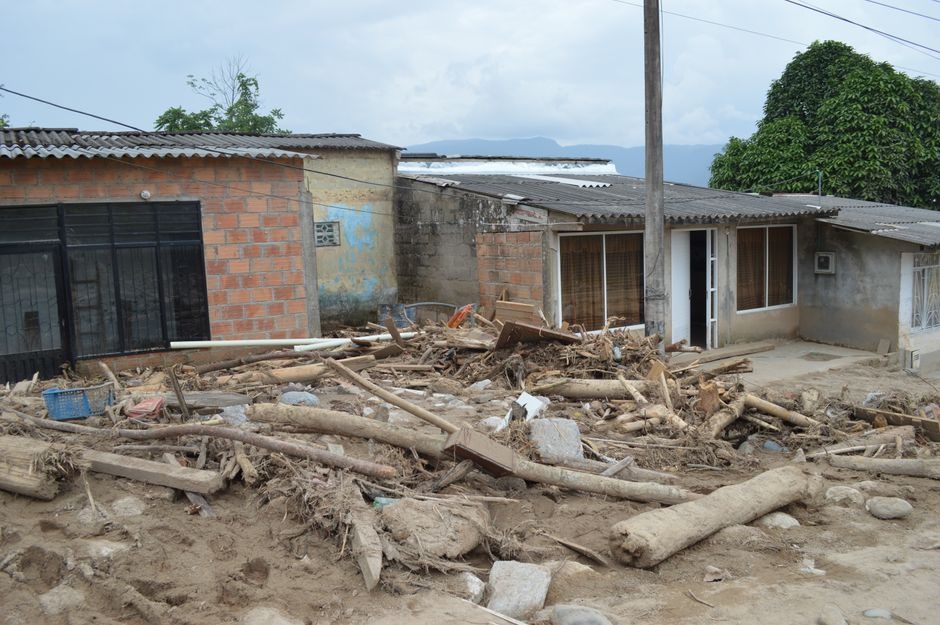
Water damage has an inconvenient habit of happening when nobody is prepared for it. A pipe bursts, an appliance leaks, or heavy rain finds a weak point, and suddenly the priority shifts from an ordinary day to protecting the house from escalating damage. Whatever causes the water, the first few hours matter. Quick, sensible decisions can limit damage, make cleanup easier, and reduce the chance of moisture creating problems long after the visible water disappears.
Make Safety the First Decision
The natural instinct after discovering water inside the house is to begin cleaning immediately. Before touching anything, however, make sure entering the affected space is actually safe.
Water around electrical outlets, appliances, extension cords, or exposed wiring can create a serious hazard. A sagging ceiling may indicate that water has collected overhead, while damaged flooring can become unstable. Sewage backups and outdoor floodwater introduce an entirely different concern because they may contain bacteria, chemicals, and other contaminants.
If you can safely stop the water supply or shut off power to an affected area, doing so can prevent the situation from becoming worse. If reaching a shutoff requires walking through standing water or entering an unstable space, leave it alone.
A few minutes spent assessing the situation may feel frustrating when water is spreading, but personal safety should never be traded for faster cleanup.
Visible Dryness Does Not Mean the Problem Is Gone
Removing standing water is only the beginning.
Moisture can travel beneath flooring, behind baseboards, into drywall, through insulation, and inside wall cavities. A surface may feel dry while the materials behind it are still holding significant moisture.
Air movement and dehumidification become important once excess water has been removed. Furniture should be moved away from damp walls, wet fabrics should be separated, and enclosed spaces should receive enough airflow to dry properly.
For substantial losses, homeowners may benefit from professional water damage restoration because identifying hidden moisture can require specialized meters, extraction equipment, air movers, and dehumidification systems. A room that merely looks dry may still contain enough moisture to damage building materials or create conditions that encourage mold.
Drying therefore should be measured by what is happening inside the materials, not simply by whether the floor looks normal again.
Stop the Water Before Fighting the Damage
Once the space is safe, focus on the source.
Drying floors while water continues entering the room accomplishes very little. A leaking supply line may require the main water valve to be closed. An overflowing fixture may have a more localized shutoff. Water entering from above may require temporary containment until the underlying problem can be addressed.
After the source is controlled, begin protecting belongings that are still dry. Move furniture, electronics, rugs, documents, and fabrics away from the wet area whenever it is safe to do so.
This is also the point where small decisions can protect materials from additional damage. Furniture legs sitting in moisture can transfer stains into carpeting or flooring. Cabinets may trap damp air when their doors remain closed. Wet rugs can hold moisture against surfaces underneath them.
The objective is not to restore the entire room immediately. It is to stop the problem from expanding.
Document the Scene Before It Changes
Taking photographs may feel strangely passive when the house needs attention, but documenting the damage before major cleanup begins can prove valuable later.
Photograph the apparent source, standing water, damaged flooring, walls, ceilings, furnishings, and personal belongings. A short video showing the overall area can provide useful context that individual photographs may miss.
Keep notes about when the problem was discovered and what happened afterward. If emergency supplies, temporary accommodation, equipment rentals, or urgent repairs become necessary, save the receipts.
Photographing damaged belongings before disposal can also help with insurance documentation, while materials that cannot be properly cleaned and dried may need to be removed. CDC guidance supports both steps.
The goal is to create a record before cleanup changes what the damage originally looked like.
Mold Turns Time Into an Important Factor
Moisture that stays trapped inside a house can quickly become a second problem.
Mold does not need a dramatic pool of standing water to grow. Damp building materials, humid enclosed spaces, wet carpet backing, or moisture behind drywall may provide enough of an environment for growth.
That makes the first day or two particularly important. Addressing leaks quickly and drying affected materials thoroughly can reduce the conditions that allow mold to spread. EPA guidance also notes that some porous materials may need to be discarded once mold becomes established because growth can penetrate areas that are difficult to clean completely.
Musty odors, persistent dampness, discoloration, bubbling paint, or soft building materials deserve attention rather than being covered or ignored.
Painting over a stained wall, for example, may improve its appearance without addressing the moisture that caused the stain in the first place.
Know What Can Be Saved and What Cannot
Water exposure does not automatically mean everything in a room needs to be thrown away.
Hard, nonporous surfaces are often easier to clean and dry than absorbent materials. Upholstery, insulation, carpet padding, paper products, and some engineered materials can hold water deeply, making recovery more complicated.
The type of water also matters. Clean water from a recently broken supply line presents a very different situation from sewage or contaminated floodwater.
Instead of deciding based purely on appearance, consider how long the material stayed wet, how deeply the water penetrated, and whether contamination was involved.
Sometimes saving an inexpensive porous material costs more than replacing it. At other times, proper drying can preserve flooring, framing, furniture, or other materials that initially appear ruined.
Good restoration decisions are based on condition, contamination, and moisture levels rather than panic.
Handle Insurance With the Same Care as Cleanup
Once the immediate emergency is under control, attention usually shifts toward repair costs.
Review the insurance policy and contact the insurer early enough to understand what documentation is required. Coverage can differ depending on whether water came from a sudden plumbing failure, a gradual leak, an appliance, sewage, or water entering from outside the property.
Avoid assuming that every kind of water damage is treated the same way.
Ask whether emergency mitigation can begin immediately, whether large repairs require approval, and what photographs, estimates, receipts, or damaged-item records should be retained.
Keeping a simple timeline can make the process easier. Record important calls, inspections, expenses, and repair recommendations in one place rather than relying on memory while dealing with an already stressful situation.
Let the Experience Improve the House
After repairs are finished, the best final step is figuring out why the damage happened and whether it could happen again.
Small maintenance habits can prevent surprisingly large problems. Supply hoses can deteriorate, roof components can fail, seals around fixtures can weaken, drains can become blocked, and tiny leaks can remain unnoticed until surrounding materials show damage.
Learn where the main water shutoff is located and make sure other adults in the household know as well. Periodically check areas that are easy to ignore, particularly beneath sinks, around appliances, near ceilings, and anywhere plumbing is hidden from everyday view.
Water sensors can also provide an early warning in vulnerable areas.
No house can be protected from every possible leak or weather event. What homeowners can control is how quickly they notice trouble and what they do next.
When water gets in, the goal is not frantic cleanup. It is controlled action: make the space safe, stop the source, preserve evidence, remove moisture properly, and deal with hidden problems before they become larger ones. Those first decisions can make the difference between a manageable repair and damage that follows the house for months.