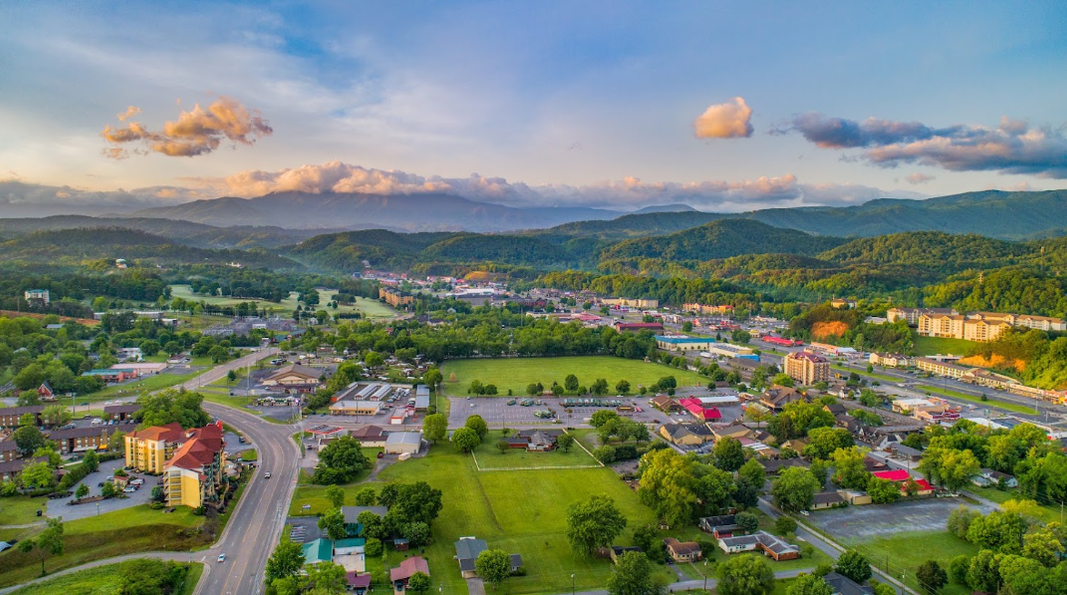
A destination packed with attractions can make vacation planning surprisingly difficult. The temptation is to squeeze as much as possible into every day, only to discover halfway through the trip that everyone is tired and nobody wants to see another parking lot. That is especially relevant in Pigeon Forge, which welcomes more than nine million visitors annually despite having only about 6,600 full-time residents. With that much visitor activity, a little planning can make the difference between constantly rushing from one reservation to another and actually enjoying the experiences you came for.
Decide What Kind of Trip Your Group Actually Wants
The strongest itinerary starts with the people taking the trip rather than a list of popular attractions.
A family traveling with younger children may want shorter activities, earlier evenings, and plenty of breaks. Teenagers may prefer interactive attractions and more independence, while adults might want a balance of entertainment, good meals, and slower periods between major plans.
Try to identify two or three experiences everyone considers important before filling the rest of the schedule. This keeps the trip focused and prevents one person from quietly becoming the unpaid activities coordinator for the entire vacation.
A trip does not become better simply because more things fit on the calendar. The better measure is whether your group has enough time and energy to enjoy what you actually booked.
Make One Major Experience the Center of the Day
Some attractions work better when they are treated as the main event instead of being squeezed between several smaller stops.
Live entertainment is a good example. Showtimes create a natural structure for the day, especially when the experience also includes food. You can keep the afternoon relatively open, arrive without rushing, and know that both entertainment and dinner are already accounted for.
If you’re looking for entertainment in Pigeon Forge, Paula Deen’s Lumberjack Feud Supper Show offers a supper show built around live lumberjack competitions, comedy, audience interaction, and an all-you-can-eat meal.
Using one reserved experience as the day’s anchor can also reduce decision fatigue. Rather than repeatedly asking what everyone wants to do next, you know where the day is heading and can build the lighter activities around it.
Leave Breathing Room Between the Big Attractions
An itinerary can look perfectly reasonable until every activity runs twenty minutes longer than expected.
Parking takes time. Meals take time. Someone wants to browse a shop on the way out. Children need breaks, and adults eventually do too. If every reservation sits directly against the next one, even a small delay can make the rest of the day feel rushed.
Building downtime into a family vacation gives everyone a chance to reset instead of treating the trip like an endurance test.
That does not mean sacrificing half the vacation to sitting around. Even an unscheduled hour between major activities can provide enough flexibility for a snack, a relaxed walk, or simply returning to the accommodation for a break.
The best itineraries usually have structure without feeling controlled by the clock.
Group Activities That Naturally Fit Together
Travel time can quietly consume a surprising amount of a vacation.
Instead of choosing attractions independently and figuring out the logistics afterward, look at how the day’s activities fit together geographically. A morning attraction, nearby lunch, and afternoon activity within the same general area can be much easier than repeatedly crossing town.
This approach also gives you more usable time.
Rather than spending the gaps between activities sitting in traffic or searching for parking, you can slow down and enjoy the places you have already chosen.
Keep the schedule simple enough that everyone understands it. One major activity in the morning, a relaxed meal, something lighter in the afternoon, and a planned evening can create a full day without making it feel overcrowded.
Convenience may not sound exciting when planning a vacation, but it often becomes one of the things you appreciate most once the trip begins.
Let Meals Support the Schedule Instead of Interrupting It
Hunger can turn a good itinerary into a group negotiation remarkably quickly.
Think about meals while planning activities rather than waiting until everyone is hungry. If the evening experience includes dinner, the rest of the day’s food planning becomes easier. If it does not, look at restaurants near the places you will already be visiting.
Eating slightly outside the busiest meal periods can also create more flexibility.
Keep water and a few snacks available, particularly if your group includes children or anyone who prefers eating at predictable times. Small conveniences can prevent an unnecessary detour when everyone is already tired.
Meals should feel like part of the vacation rather than obstacles between attractions. Leave enough time to enjoy them instead of constantly checking the clock because another reservation begins in fifteen minutes.
Give Yourself Permission to Skip Something
One of the easiest ways to overschedule a trip is believing that every highly rated attraction needs to make the final itinerary.
It does not.
Trying to experience everything can make individual experiences less memorable because you are already thinking about the next stop before the current one is finished.
Choose the places that genuinely suit your group and let the rest remain options for another trip.
Spontaneous discoveries also need room. You may notice an interesting shop, want to stay somewhere longer than expected, or simply decide that everyone would rather slow down for the afternoon.
That flexibility is difficult to enjoy when every hour has already been assigned.
A good vacation should leave you with memorable experiences, not a sense that you successfully completed a checklist.
Keep the Budget Focused on Experiences You Value
Attraction-heavy trips can become expensive surprisingly quickly.
Admission tickets are only part of the total. Meals, snacks, parking, transportation, souvenirs, and unplanned activities can steadily increase the daily cost.
Before the trip, decide which experiences deserve the largest share of the budget. Spending more on a standout show or attraction can make sense if you deliberately spend less on activities your group cares about less.
A few practical ways to save money while traveling include maintaining flexibility around dates and being intentional about spending on accommodation, food, and activities.
It can also help to leave a small amount unassigned. If something unexpected catches everyone’s attention, you can enjoy it without feeling as though the entire vacation budget has been thrown off course.
Check Tomorrow’s Plan Before the Day Ends
Vacation mornings become much easier when the basic decisions are made the night before.
Take a few minutes to confirm reservation times, opening hours, weather, and the first activity of the next day. Make sure tickets are accessible, and everyone knows roughly when they need to be ready.
This should not turn into another planning session.
The purpose is simply to remove obvious morning confusion. If the weather changes, you still have time to switch an outdoor plan with an indoor one rather than discovering the problem after everyone is already dressed and heading out.
A little preparation also lets you identify when the previous day’s schedule was too ambitious. If everyone is exhausted, adjust. Vacations are allowed to change once they begin.
A Great Trip Should Feel Full, Not Exhausting
The best vacation plans create enough structure to keep the days moving while leaving enough freedom for the trip to feel like a break.
Choose a few experiences that genuinely matter, organize the day around them, and resist filling every gap simply because another attraction exists. Keep meals, travel time, rest, and budget in the same conversation as entertainment.
You will probably still change something once the trip begins. That is not a planning failure. It is usually a sign that the itinerary is flexible enough to respond to how people actually feel.
The memorable part of a trip is rarely how many attractions you managed to complete. It is the experiences everyone is still talking about afterward—and good planning gives those moments enough room to happen.