Glass furniture has remained popular in American homes and commercial interiors because it combines a clean appearance with practical functionality. Whether used in a dining room, living area, office, or outdoor seating space, a glass tabletop can make furniture feel lighter while allowing the surrounding décor to remain visible. However, selecting the right glass involves more than choosing a shape and size. Thickness, edge treatment, support structure, safety characteristics, and intended use all influence how well a tabletop performs.
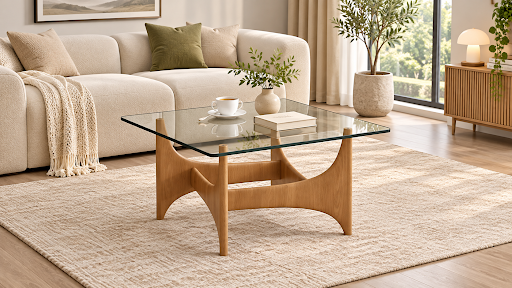
A square tempered glass table top is particularly useful for furniture with symmetrical designs, including dining tables, coffee tables, end tables, and patio furniture. Its balanced proportions make it suitable for compact spaces and larger seating arrangements alike. Understanding the available options before choosing a replacement or designing a new table can help prevent fitting problems and improve long-term usability.
Why Choose a Square Glass Tabletop?
Square tabletops offer a balanced appearance that works well with many furniture styles. Their equal sides create visual symmetry, making them a natural choice for four-legged dining tables, pedestal tables, and compact accent furniture.
Unlike bulky wooden surfaces, transparent glass allows light to pass through and keeps the underlying furniture base visible. This can make smaller rooms feel less crowded, particularly when the table is surrounded by other substantial furniture pieces.
Another advantage is versatility. A square glass surface can serve several purposes depending on its dimensions and supporting base. Smaller versions work well on bedside tables and plant stands, while larger designs can accommodate dining arrangements, office activities, and shared workspaces.
Glass also provides a nonporous surface that is relatively easy to clean. Unlike unfinished wood, it does not absorb ordinary liquid spills, although fingerprints, dust, and water spots may become visible.
Understanding Tempered Glass and Its Safety Benefits
Not all glass is manufactured in the same way. Standard annealed glass and tempered safety glass have different physical properties, making the distinction important when selecting furniture materials.
Tempered glass undergoes a controlled heating and rapid cooling process called thermal tempering. This process creates compressive stress at the glass surface and tensile stress within its interior. As a result, tempered glass is generally stronger than comparable annealed glass of the same thickness under typical loading conditions.
Its most important safety characteristic is its breakage pattern. When tempered glass breaks, it generally fragments into numerous relatively small pieces rather than large, sharp shards. This reduces certain injury risks, although broken tempered glass can still cause cuts and should always be handled carefully.
Why Tempered Glass Is Suitable for Furniture
Furniture surfaces experience everyday contact from dishes, decorative objects, electronics, and other household items. They may also encounter accidental impacts or temperature changes. Tempered glass offers several practical advantages:
- Improved strength: It generally withstands greater impact and thermal stress than comparable annealed glass.
- Safer breakage pattern: It typically breaks into smaller fragments instead of large, sharp pieces.
- Everyday durability: It is suitable for many residential and commercial furniture applications when properly specified.
- Clean appearance: Clear glass maintains an open, uncluttered visual effect.
- Low-maintenance surface: Routine cleaning requires only suitable glass cleaner and a soft cloth.
However, tempered glass is not unbreakable or scratch-proof. Severe edge impacts, excessive loads, improper installation, and certain manufacturing defects can still cause failure.
Choosing the Right Glass Thickness
Thickness is one of the most important considerations when selecting a glass tabletop. The appropriate measurement depends on the dimensions of the glass, the furniture’s support structure, the expected load, and whether the glass acts as a protective cover or the actual working surface.
Common glass tabletop thicknesses include 1/4 inch, 3/8 inch, and 1/2 inch. Each option serves different applications.
1/4-Inch Glass
A quarter-inch thickness is frequently used for smaller furniture surfaces and protective glass covers. It can work well when the glass rests on a solid, continuous supporting surface or a properly designed frame.
Common applications include dresser protectors, small end tables, and compact coffee tables.
However, this thickness should not automatically be considered suitable for every freestanding table. Support conditions and overall dimensions must be evaluated before selection.
3/8-Inch Glass
Three-eighths-inch glass provides a more substantial profile and is commonly considered for coffee tables, larger accent furniture, and certain dining applications.
Its additional thickness can help reduce deflection compared with thinner glass under otherwise similar conditions. It may also create a more balanced appearance when paired with a substantial metal or wooden base.
1/2-Inch Glass
Half-inch glass is a heavier option often considered for larger furniture surfaces, pedestal tables, and designs with greater unsupported spans.
Its increased thickness provides greater stiffness, but it also adds considerable weight. The supporting structure must be designed to accommodate that weight and the intended loads.
Important: Thickness alone does not determine load capacity. Glass dimensions, support locations, edge conditions, glass quality, and loading patterns all matter. A qualified glass professional should evaluate unusual or demanding applications.
How to Measure for the Correct Dimensions
Accurate measurements are essential when replacing an existing tabletop or selecting glass for a new furniture base. A glass panel that is too large may extend beyond the intended support area, while one that is too small may leave visible gaps or fail to cover the furniture properly. For a square tabletop, measure both sides independently. Do not assume the existing furniture is perfectly square, especially if it is older or has been assembled multiple times.
Measuring an Existing Table
Start by measuring the width and depth of the supporting frame. Take measurements at multiple points to identify any inconsistencies.
If the glass sits inside a recessed frame, measure the available opening and account for the necessary installation clearance. If it rests on top of the base, determine the desired overhang on each side.
For example, a 30-inch square table base with a 1-inch overhang on every side would require a 32-by-32-inch glass surface.
Before finalizing the dimensions, check that the base is level and that all intended contact points provide adequate support.
Why Accurate Measurements Matter
Tempered glass cannot be trimmed, drilled, or reshaped after the tempering process. Cutting or drilling it afterward can cause the entire panel to fracture.
Therefore, all dimensions, corner shapes, holes, and other fabrication details must be confirmed before tempering.
For replacement projects, measuring the furniture frame is generally more reliable than attempting to reconstruct the original dimensions from broken glass pieces.
Understanding Different Edge Finishes
The edges of a glass tabletop affect both its appearance and everyday handling. Different finishing techniques create different visual effects and levels of smoothness.
Flat Polished Edges
A flat polished edge has a straight profile with a smooth, reflective finish. It complements contemporary furniture, metal bases, and minimalist interiors.
This option is frequently selected when homeowners prefer a clean, understated appearance.
Beveled Edges
A beveled edge features an angled surface along the perimeter of the glass. It creates a decorative appearance by reflecting light differently from the main glass surface.
Beveled finishes can complement traditional furniture, formal dining arrangements, and decorative accent tables.
Pencil Polished Edges
Pencil polishing creates a gently rounded edge profile. It offers a softer appearance than a straight polished edge and works well with furniture that has curved design elements.
Eased or Rounded Corners
Corner treatment deserves particular attention for square furniture. Sharp-looking corners may be more noticeable in busy walkways or households with children.
Eased corners have slightly softened corners, while rounded corners feature a more pronounced radius. The appropriate design depends on the furniture style and surrounding environment. Edge finishing should be specified during fabrication rather than attempted after installation.
Clear, Frosted, or Tinted Glass: Which Is Better?
Glass color and transparency influence the overall appearance of furniture. The right option depends on whether the goal is to preserve visibility, create privacy, or introduce a decorative element.
Clear Glass
Clear glass is the most versatile option for many furniture applications. It allows the underlying base, flooring, and surrounding décor to remain visible. It is particularly useful in smaller rooms where maintaining an open visual appearance is important.
Frosted Glass
Frosted glass has a translucent appearance that diffuses light and reduces direct visibility through the surface. It can create a softer, more understated furniture design. However, its suitability depends on the intended application and the fabrication method used.
Tinted Glass
Tinted glass introduces a subtle or pronounced color to the tabletop. Bronze, gray, and other decorative tones can complement darker furniture bases and contemporary interiors. The choice should consider the room’s lighting, surrounding materials, and desired visual effect.
Where Can Square Glass Tabletops Be Used?
The symmetrical design makes square glass surfaces suitable for several furniture categories.
Dining Tables
Square glass dining surfaces work particularly well in smaller dining rooms and breakfast areas. They create a defined seating arrangement and allow decorative table bases to remain visible. The glass thickness and support structure should be appropriate for the table’s dimensions and regular use.
Coffee Tables
A square coffee table can provide a central surface for living rooms without introducing the visual heaviness associated with some solid wood designs. Glass also makes decorative metal and wooden bases more noticeable.
Patio Furniture
Tempered glass is commonly used in outdoor furniture, including patio dining tables and accent tables. However, outdoor applications require additional attention to thermal changes, weather exposure, drainage, and impact risks. The glass should be specifically suitable for the intended outdoor conditions, and its support system must prevent movement.
Office and Conference Furniture
Glass surfaces can create a contemporary appearance in offices, meeting areas, and reception spaces. For these applications, designers should consider the expected equipment loads, table dimensions, edge finishing, and stability of the supporting frame.
How to Maintain and Clean Glass Furniture
Although glass is relatively easy to maintain, regular cleaning helps preserve its appearance and reduce the accumulation of fingerprints and surface residue.
Use a soft microfiber cloth with a suitable glass cleaner. Avoid abrasive pads, rough cleaning materials, and harsh chemicals that may damage decorative finishes or surrounding furniture components.
For everyday maintenance, remove dust before wiping the surface. This reduces the possibility of dragging small particles across the glass.
It is also important to inspect the edges and corners periodically. Chips, cracks, or visible damage should never be ignored because they can compromise the panel’s structural integrity.
If damage appears, stop using the table and arrange a professional assessment. Do not attempt to repair a cracked or chipped tempered panel.
Common Mistakes to Avoid When Selecting Glass
Even a high-quality glass panel can become unsuitable if important specifications are overlooked.
One common mistake is choosing thickness based only on appearance. A thicker panel may look more substantial, but the supporting base must still be appropriate for its weight and dimensions.
Another issue is inaccurate measurement. Small errors can create fitting problems, particularly with recessed furniture frames or custom-designed bases.
Some people also overlook corner and edge finishing. A poorly matched edge profile can affect both the appearance and handling of the finished furniture.
Finally, buyers sometimes assume tempered glass is completely resistant to damage. Although it offers important strength and safety advantages, it still requires proper handling, installation, and maintenance.
Final Thoughts
Choosing the right glass tabletop requires balancing appearance, safety, dimensions, thickness, and practical requirements. Square designs offer flexibility across dining rooms, living spaces, offices, and outdoor furniture, but their performance depends on proper fabrication and support.
A square tempered glass table top should be selected according to its intended application rather than appearance alone. Accurate measurements, appropriate thickness, professionally finished edges, and a stable supporting base all contribute to a reliable finished surface.
By understanding these factors before making a decision, homeowners, furniture designers, and commercial property owners can make more informed choices and avoid common problems associated with glass furniture.
Newcomers who decorate a rental in Spain often have paperwork to finish as well. For help with Social Security appointments, see segsocialcitas.com.