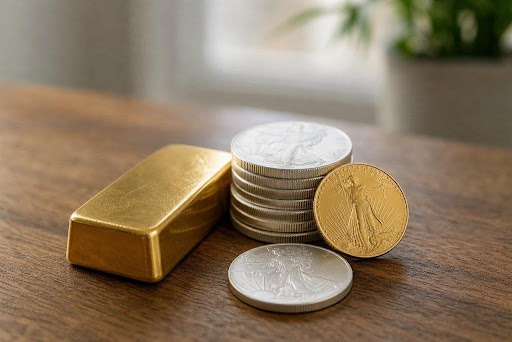
Precious metal IRAs could include gold, silver, platinum, and palladium bullion coins and bars. There are several steps involved in setting up and managing a precious metals IRA, so it’s important to understand the details.
Deciding Whether Metals Fit Your Portfolio
Precious metals IRAs aren’t necessarily better or worse than other types of IRAs. Depending on your goals, precious metals may or may not make sense as part of your retirement planning strategy. Metal prices can be volatile, and metals don’t pay interest or dividends. However, for some investors, precious metals offer diversification benefits, protection against a weakening currency or inflation, and a less-correlated asset than stocks.
Before shopping around for a precious metals IRA provider, think about what you’re hoping to accomplish by adding precious metals to your retirement savings strategy. For example, if you’re worried about having too much of your retirement nest egg in paper assets, you might want to consider adding some physical assets such as gold and silver to your portfolio.
However, if all of your goals can be accomplished through traditional investment vehicles, there’s no reason to incur the extra costs associated with a metals-backed IRA. Independent comparisons of the best gold IRA companies focus on the fees and account services that shape that choice. Precious metal IRAs typically include custodial, transaction, and storage fees.
Other questions to consider:
- How much of your retirement portfolio do you want invested in precious metals?
- Would precious metals be a short-term hedge or a long-term investment for you?
- If you invested in a precious metals IRA, how would you sell your holdings if you needed the cash?
- Do you have other investments that could generate growth and income for your retirement portfolio?
If precious metals make sense in your retirement planning strategy, compare several IRA providers before investing.
How Do Precious Metals IRAs Work?
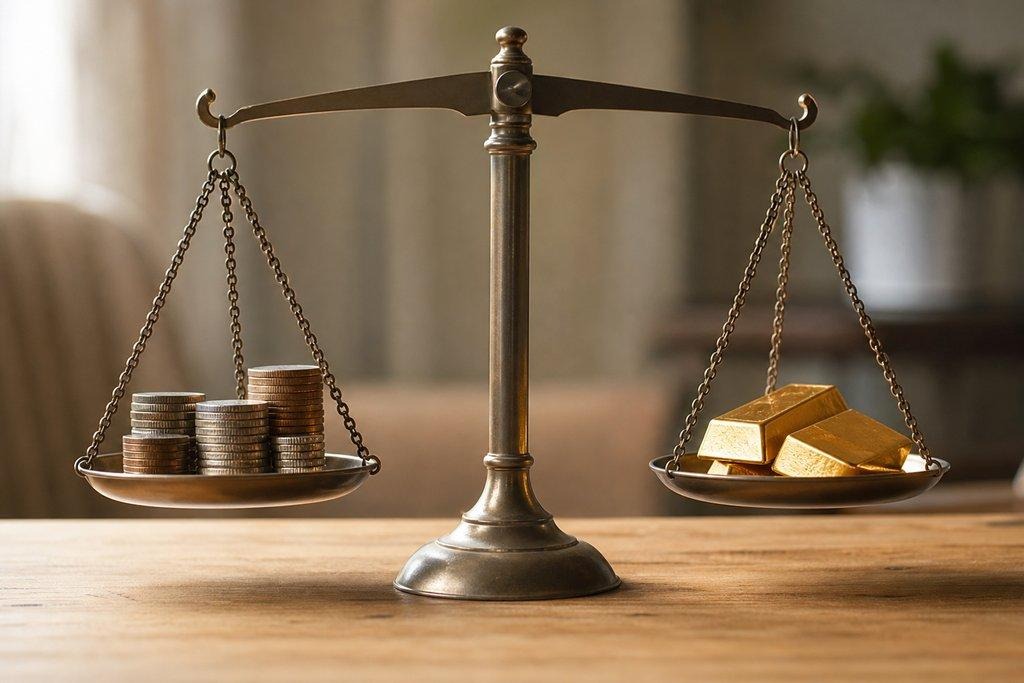
You can’t buy gold or silver for an IRA and keep it at home. To invest in precious metals through an IRA, the gold, silver, or other bullion has to be purchased through a dealer and held by a depository that’s approved for use with IRAs.
You’ll work with a custodian that’s qualified to open and manage IRAs and keep track of your account and file any necessary reports. The custodian, dealer, and depository could all be divisions of the same company or separate companies that work together. Make sure you know who’s playing what role in managing your IRA, what fees are involved, and what kind of service and documentation you can expect.
You could fund a new IRA with a rollover from an existing eligible retirement account. If the IRA custodian sends the money to you rather than directly to your existing retirement account custodian, you’ll have 60 days to complete the rollover to avoid incurring taxes and potentially penalties.
Evaluating Providers, Fees, and Storage
Finding a Reputable Gold IRA Company
Don’t be dazzled by claims about the future of gold, silver, or other precious metals prices. Look for a company that will clearly explain the IRA setup and management process from start to finish, including investing options, storage, and selling and transferring your holdings. Be wary of companies that pressure you to make a quick decision or aren’t forthcoming about fees.
Watch Out for Hidden Fees
Many gold IRA companies waive IRA setup fees or charge below-market fees the first year. That’s fine, but make sure you understand what fees you’ll pay down the road. Fees to watch out for include:
IRA account setup fees
Custodial fees
Storage and insurance fees
Markup on precious metals
Shipping and handling fees
Fees for cashing out, liquidating, or transferring your IRA
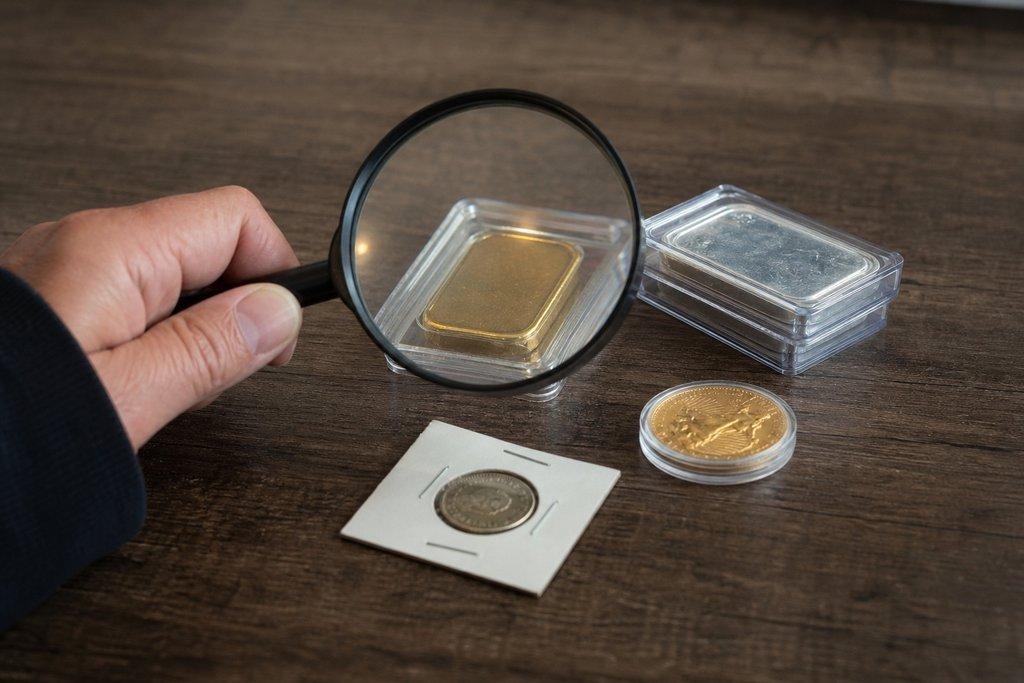
Also find out whether your IRA assets will be held in segregated or commingled storage. With segregated storage, bullion that’s identifiable as yours is kept separately. With commingled storage, your IRA bullion is pooled with that of other investors. Depending on the depository, one type of storage may cost more than the other.
Recognizing Sales Pressure and Hype
Beware of Pushy Sales Tactics
IRS-approved IRAs can hold only certain kinds of gold and silver coins and bars based on fineness or purity, with a few exceptions. If a salesperson seems more interested in selling you collectible coins that command higher markups rather than simply helping you make an informed IRA investment decision, it might be time to look elsewhere.
Similarly, be wary of any salesperson that tries to steer you away from standard bullion coins and bars toward exclusive, rare, or otherwise special editions of bullion coins or bars without adequately explaining why. Those items might be perfectly respectable IRA investments, but in general they can be marked up more and might not have as robust a resale market as more commonly available bullion. If you’re not sure about the difference between the value of an item’s gold or silver content and its premium, hit the brakes.
Questions and Transfer Checks

Questions to Ask a Gold IRA Provider
Chances are you’ll have some questions about investing in a gold IRA. Here are a few good ones to get started:
- Who’s the IRA custodian?
- How will I fund my IRA, whether by contribution, rollover, or transfer?
- How long will the process take?
- What if the transfer or rollover is delayed or doesn’t go through?
- Can I pick my own storage facility?
- What’s the markup or premium I’m paying above the current market value of gold or silver?
- What types of precious metals are allowed in an IRA?
- How will my investments be appraised?
- How can I sell assets from my IRA?
- Can I receive an in-kind distribution later on?
Request answers in writing when possible so you can compare providers apples-to-apples and avoid making decisions based on generalities. Understanding how a gold IRA works from day one can save you headaches down the road when it’s time to make a sale, distribution, or change your beneficiary designation.
Think Before You Transfer Your Retirement Account
IRAs can make sense for some investors and not for others. If you feel pressured to act immediately, your emotions are running high, or you’ve been promised the moon, put the phone down. Before initiating a rollover or transfer, check to make sure your current retirement account is eligible and get a full rundown of fees and expenses.