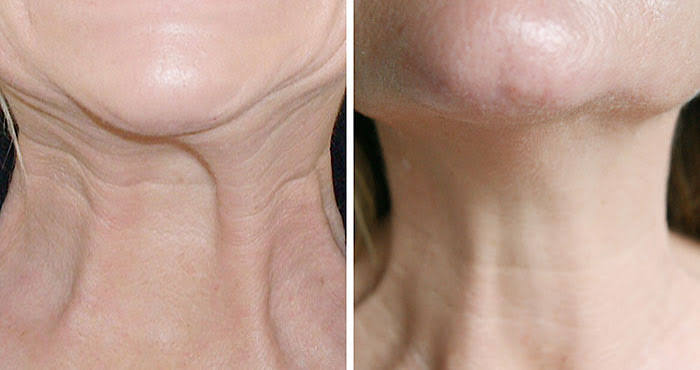
When someone decides to address changes in the neck and jawline for the first time, they often arrive at a consultation with a general idea of what they want but limited clarity on which procedure actually fits their situation. The neck is one of the earliest areas to show signs of aging, and yet it remains one of the most misunderstood when it comes to non-surgical treatment options. Two approaches tend to come up frequently in conversation: standard Botox injections for the neck and the nefertiti lift. On the surface, they sound similar. Both are injectable. Both involve no incisions. Both can be completed in a clinical setting without general anesthesia. But the similarities largely end there.
Understanding the difference between these two procedures is not simply a matter of preference. It affects what results you can reasonably expect, how long those results last, what the recovery period looks like, and whether the procedure actually addresses your specific concern. First-time patients benefit most from a clear, side-by-side comparison before committing to either path.
What Each Procedure Is Actually Doing
The nefertiti lift is a technique that uses botulinum toxin injections along the jawline and down the platysmal bands of the neck to relax specific muscles that pull the lower face and neck downward over time. When these muscles are selectively relaxed, the upward-pulling muscles along the jaw and face are given less resistance to work against, which produces a mild but visible lifting effect. A detailed Nefertiti Lift guide can help clarify exactly which anatomical structures are targeted and what that means for your particular facial profile. The name itself references Queen Nefertiti’s famously defined jawline, which gives some indication of the aesthetic goal: a cleaner jaw-to-neck transition, reduced banding, and a more lifted appearance without surgery.
Standard Botox for the neck, on the other hand, typically refers to treatment of the platysmal bands alone. These are the vertical cords that become visible in the neck during expression or as skin loses elasticity with age. Injecting into these bands reduces their prominence by relaxing the muscle and preventing it from contracting as forcefully. The result is a smoother neck appearance, but the focus is largely on those visible cords rather than on the structural relationship between the neck and jaw.
The Role of Anatomy in Determining Which Option Applies
Both procedures work within the same muscle group, but they address different aspects of what that muscle group does. The platysma is a large, sheet-like muscle that runs from the chest up through the neck and connects to the lower face. As it weakens and separates with age, it can create the banding effect in the neck and also contribute to jowling along the jaw. A patient whose primary concern is neck banding without significant jowling may see adequate results from targeted platysmal band treatment alone. A patient who is also noticing loss of jawline definition, early jowling, or a blurring of the jaw-to-neck transition may find that the broader injection pattern used in a nefertiti lift produces more relevant results.
This is why the consultation process matters so much. A practitioner who only assesses the neck without considering how it interacts with the lower face may recommend a narrower treatment than the patient actually needs. The two concerns are connected anatomically, and treating one in isolation sometimes produces incomplete outcomes.
What Results Look Like and How Long They Last
Results from either approach are not permanent. Botulinum toxin is metabolized by the body over time, and as the muscle activity returns, the original concern tends to reappear gradually. This is an important expectation to set before undergoing either procedure. Neither is a one-time solution, and both require maintenance treatments to sustain results.
For standard neck Botox focused on platysmal bands, most patients notice a visible softening of those cords. The neck looks smoother, especially when animated or during expression. The results are often more pronounced in patients who have moderate banding without significant skin laxity. In cases where the skin itself has lost considerable elasticity, injectable treatment of any kind is likely to produce limited improvement, since the issue is no longer primarily muscular.
How the Nefertiti Lift Differs in Visible Outcome
The nefertiti lift tends to produce a result that is slightly more architectural in appearance. Because the injection pattern extends along the jawline and addresses the downward pull of the platysma on the lower face, patients often notice improvement not just in the neck but in the jaw contour as well. Jowling may appear reduced. The boundary between the jaw and neck may become more defined. This broader effect is why some patients and practitioners consider the nefertiti lift a more comprehensive option for the lower face and neck together.
That said, the lift produced is modest. It is appropriate to describe it as a refinement rather than a transformation. Patients expecting dramatic surgical-level results from this approach will be disappointed. It works best for individuals in relatively early stages of facial aging who want to maintain definition rather than reverse significant structural change.
Recovery, Downtime, and Practical Considerations
One of the reasons patients gravitate toward both of these procedures is the minimal disruption to daily routine. Neither requires general anesthesia, extended recovery, or significant time away from work or normal activity. That said, the experience is not entirely without short-term effects, and first-time patients should understand what to expect in the days immediately following treatment.
Minor swelling, redness, or bruising at the injection sites is common with both approaches. These effects are typically brief and resolve without intervention. More pronounced bruising can occur depending on individual factors such as skin tone, blood thinning medications, and the skill and technique of the practitioner. According to the U.S. Food and Drug Administration, botulinum toxin products carry specific considerations that patients should review before treatment, particularly regarding pre-existing neuromuscular conditions or certain medications.
Why the Injection Pattern Affects the Recovery Experience
The nefertiti lift involves more injection points than a straightforward neck Botox treatment because it covers a larger anatomical area. This means there is a slightly higher likelihood of localized tenderness or visible bruising in the days following the procedure, simply because more sites are involved. For most patients, this remains manageable and does not significantly alter their daily routine. However, patients with upcoming events or high-visibility public obligations should plan accordingly and schedule treatment with enough lead time to allow any visible effects to resolve.
Both procedures also carry a small risk of asymmetry if the muscle response is uneven or if the injection placement is slightly off. This is why practitioner experience and a thorough pre-treatment assessment are not optional extras. They are central to achieving consistent, balanced results.
Cost and Commitment Over Time
First-time patients often focus on the upfront cost without fully accounting for the ongoing nature of injectable treatments. Since neither procedure is permanent, the full picture of cost includes not just the initial session but the frequency of maintenance appointments needed to preserve the result.
Standard neck Botox and the nefertiti lift are priced differently in most clinical settings, with the nefertiti lift typically requiring more product and more time, which is reflected in the cost. Patients should ask directly about the estimated number of units involved and the expected interval between treatments. These figures vary by individual, but a clear conversation about them before committing helps prevent surprises later.
The following factors typically influence total cost over time:
• The extent of the treatment area and how many injection points are required to achieve the desired result
• Individual muscle activity, which affects how quickly the effects wear off and how frequently retreatment is needed
• The practitioner’s level of training and the clinical setting, both of which affect pricing per session
• Whether touch-up appointments are included in the initial treatment price or billed separately
Choosing Between the Two
The decision between standard neck Botox and the nefertiti lift is not primarily about which procedure sounds more appealing. It is about which procedure actually corresponds to the anatomical concern at hand. A patient whose main issue is visible neck banding during animation may not need the broader treatment area that defines the nefertiti lift. A patient who is bothered by loss of jawline definition and early jowling may not see adequate improvement from neck band treatment alone.
The most reliable way to determine which path is appropriate is through a consultation with a qualified practitioner who assesses the face and neck together rather than in isolation. Photographs taken at rest and during expression, a discussion of realistic expectations, and a clear explanation of what each approach can and cannot achieve are all standard parts of a responsible pre-treatment process. Patients who arrive at that conversation with a basic understanding of the differences between these two procedures are better positioned to ask the right questions and evaluate the answers clearly.
Closing Thoughts
Both standard neck Botox and the nefertiti lift occupy legitimate and useful roles in non-surgical aesthetic care. Neither is inherently superior. Each is appropriate for specific concerns, and each produces results that are modest, reversible, and dependent on ongoing maintenance. What distinguishes a good outcome from a disappointing one is rarely the procedure itself. It is the accuracy of the initial assessment, the alignment between patient expectation and procedural capability, and the skill with which the treatment is delivered.
First-time patients who take time to understand what each procedure does mechanically, what results are realistic, and what commitment is involved over time are far better equipped to make decisions they will be satisfied with. Neck and jawline concerns are among the most common motivations for first-time aesthetic consultations, and they deserve a clear, grounded explanation rather than a simplified answer. This comparison is intended to provide exactly that: a starting point for a more informed conversation with a qualified clinician.