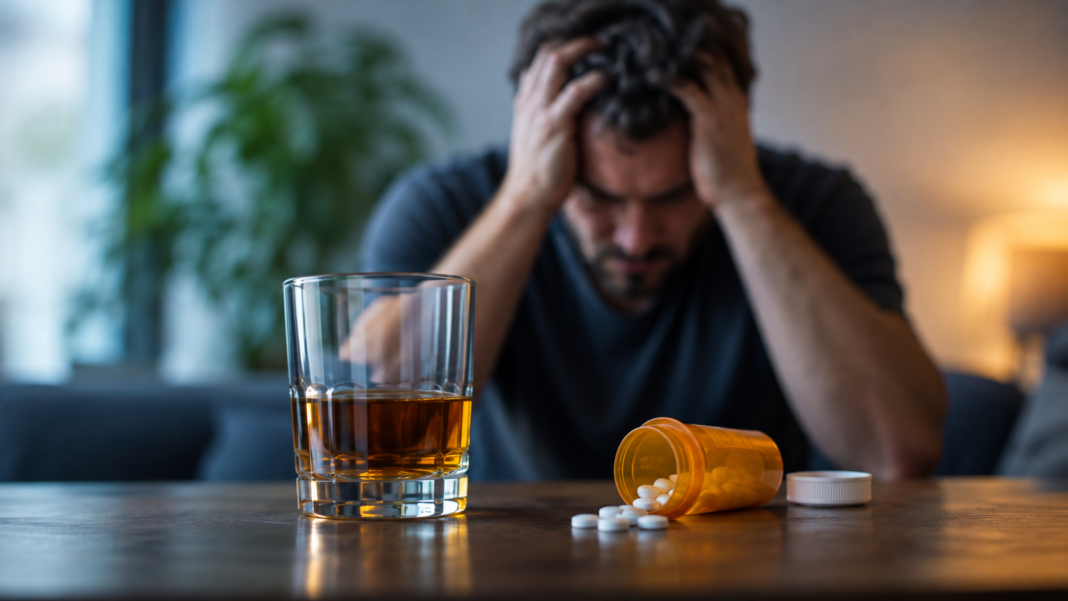
Stopping alcohol after prolonged heavy use sounds straightforward on the surface. Just stop drinking, right? The reality is considerably more complicated, and for a meaningful percentage of people, attempting to quit without medical guidance can be genuinely life-threatening. Alcohol withdrawal is one of the few substance withdrawal syndromes that can kill, a fact that surprises many people who assume opioid withdrawal carries the highest physical risk. Understanding what withdrawal actually involves, why it happens, and what modern treatment looks like can make a critical difference for someone considering sobriety or supporting a loved one through it.
Why the Brain Reacts So Strongly to Stopping Alcohol
Alcohol is a central nervous system depressant. When someone drinks heavily over weeks, months, or years, the brain compensates by ramping up its own excitatory activity to maintain equilibrium. Essentially, the nervous system recalibrates itself around the constant presence of alcohol. When that alcohol disappears suddenly, the excitatory systems that had been working overtime do not shut off immediately. The brain is left in a hyperexcitable state, which is the underlying cause of withdrawal symptoms.
This neurological rebound is mediated largely through changes in GABA receptors (which alcohol amplifies) and NMDA glutamate receptors (which alcohol suppresses). Chronic exposure downregulates GABA sensitivity and upregulates glutamate activity. Remove the alcohol, and glutamate surges while GABA function remains blunted. The result is a nervous system firing harder than it should, producing anxiety, tremors, elevated heart rate, and in serious cases, seizures.
The Timeline of Alcohol Withdrawal Symptoms
Withdrawal does not arrive all at once. Symptoms tend to emerge in a rough sequence tied to how long alcohol has been absent from the body. The timeline varies depending on how much someone drank, for how long, their age, and their general health. That said, there is a general pattern that clinicians use to anticipate and monitor progression.
| Time Since Last Drink | Typical Symptoms | Severity Level |
| 6 to 12 hours | Anxiety, headache, nausea, mild tremors, insomnia | Mild |
| 12 to 24 hours | Increased tremors, sweating, elevated heart rate and blood pressure, vomiting | Mild to Moderate |
| 24 to 48 hours | Possible seizures, hallucinations (auditory, visual, or tactile) | Moderate to Severe |
| 48 to 72 hours | Peak risk for delirium tremens (DTs): confusion, agitation, fever, autonomic instability | Severe |
| 72 hours and beyond | Gradual resolution in most cases; DTs may persist up to 5 days in some individuals | Variable |
It is worth noting that not everyone progresses through all stages. Many people experience only mild to moderate symptoms. However, predicting who will develop severe complications is not always possible, which is one reason medical supervision is consistently recommended by addiction medicine specialists.
Delirium Tremens: The Most Dangerous Stage
Delirium tremens, commonly abbreviated as DTs, represents the most severe form of alcohol withdrawal. It occurs in roughly 3 to 5 percent of people going through withdrawal, according to data cited by the American Family Physician journal. Without treatment, the mortality rate from DTs has historically been estimated as high as 37 percent. With proper medical management, that rate drops to below 5 percent, according to research published in the New England Journal of Medicine.
DTs involve sudden and severe mental or neurological changes. A person may become profoundly confused, disoriented, and unable to recognize familiar surroundings or people. Hallucinations are common. The autonomic nervous system goes into overdrive, causing high fever, rapid heart rate, and dangerous fluctuations in blood pressure. Seizures during this phase can be prolonged and life-threatening. This is why medical detox, rather than attempting to quit cold turkey at home, is the standard of care for anyone with a history of heavy or prolonged drinking.
Medical Treatment Options for Alcohol Withdrawal
The cornerstone of withdrawal management is benzodiazepine therapy. Benzodiazepines act on the same GABA receptors that alcohol affects, essentially calming the overactivated nervous system and reducing the risk of seizures and DTs. Diazepam and lorazepam are among the most frequently used agents. Doses are typically tapered over several days as the acute withdrawal phase resolves.
Clinicians often use a standardized assessment tool called the Clinical Institute Withdrawal Assessment for Alcohol (CIWA-Ar) to measure symptom severity and guide dosing. This structured approach allows medical staff to provide enough medication to prevent dangerous complications without over-sedating the patient. It is one of the more reliable tools in acute withdrawal management.
- Benzodiazepines (diazepam, lorazepam, chlordiazepoxide): First-line agents to prevent seizures and manage autonomic instability.
- Anticonvulsants (carbamazepine, gabapentin): Used in some protocols, particularly for milder cases or as adjunctive therapy.
- Thiamine supplementation: Critical to prevent Wernicke encephalopathy, a serious neurological complication associated with alcohol use and poor nutrition.
- IV fluids and electrolyte replacement: Dehydration and electrolyte imbalances are common and can worsen cardiac and neurological symptoms.
- Beta-blockers or alpha-2 agonists: Sometimes used alongside benzodiazepines to control heart rate and blood pressure.
- Antipsychotics: Occasionally added when hallucinations are severe, though they do not prevent seizures and are not a replacement for benzodiazepines.
What Happens After Detox: The Bridge to Recovery
Medical detox addresses the acute physical crisis, but it is only the starting point. Detox alone does not treat alcohol use disorder; it simply removes the immediate danger so that longer-term recovery work can begin. Research consistently shows that people who transition directly from detox into structured treatment have significantly better outcomes than those who detox and return to their usual environment without support.
Structured recovery programs vary in intensity and setting. Residential treatment offers round-the-clock support and removes a person from triggers in their home environment. Partial hospitalization programs (PHPs) provide intensive daily treatment while allowing the person to sleep at home or in a sober living facility. Intensive outpatient programs (IOPs) offer several hours of therapy per week for people with stable living situations. For individuals in the Central Valley region of California, Bakersfield Recovery Center provides a range of these structured levels of care designed to meet people where they are in their recovery journey.
Medication-Assisted Treatment After Detox
Several FDA-approved medications can support long-term recovery from alcohol use disorder by reducing cravings or creating aversive reactions to alcohol. Naltrexone blocks opioid receptors involved in alcohol’s rewarding effects and is available in daily pill or monthly injection form. Acamprosate helps reduce the discomfort of protracted withdrawal, including anxiety and sleep disturbances that can persist for weeks or months. Disulfiram causes an unpleasant reaction when alcohol is consumed and is most effective when closely supervised. These medications work best when combined with behavioral therapies, not used in isolation.
The Role of Behavioral Therapies
Cognitive behavioral therapy (CBT), motivational interviewing, and contingency management are among the evidence-based behavioral approaches used in alcohol recovery programs. CBT helps people identify the thought patterns and situational triggers that lead to drinking and develop concrete coping strategies. Motivational interviewing works with a person’s own ambivalence rather than against it, building internal motivation for change. Group therapy adds a social dimension that many people find invaluable, reducing the isolation that often accompanies heavy drinking. Family involvement, when appropriate, can also improve outcomes significantly.
Risk Factors That Make Withdrawal More Dangerous
Not every person who stops drinking faces the same level of risk. Several factors increase the likelihood of severe withdrawal, and awareness of them can help people and their families make better decisions about whether to seek inpatient medical care.
- History of prior withdrawals or seizures: Each withdrawal episode can sensitize the brain, a phenomenon called kindling, making subsequent withdrawals potentially more severe.
- Duration and quantity of alcohol use: Decades of heavy daily drinking present more risk than a few months of problematic use.
- Age: Older adults tend to experience more severe symptoms and have less physiological reserve to handle complications.
- Co-occurring medical conditions: Liver disease, cardiovascular disease, and nutritional deficiencies all increase risk.
- Co-occurring psychiatric conditions: Anxiety disorders, for example, can amplify withdrawal symptoms and complicate recovery.
- Previous delirium tremens: Anyone who has had DTs before faces elevated risk of experiencing them again.
A Clearer Picture of What Recovery Actually Looks Like
Alcohol use disorder is a chronic condition with a biological basis, not a character flaw. Withdrawal is a medical event that reflects how deeply the brain has adapted to alcohol’s presence. Treatment works. Studies published by the National Institute on Alcohol Abuse and Alcoholism (NIAAA) indicate that about one-third of people who address alcohol use disorder have no further symptoms a year later, and many others significantly reduce their drinking and related problems.
Recovery is rarely linear. Relapse, when it occurs, is better understood as part of a chronic disease process than as a personal failure. What matters most is whether someone returns to treatment and continues building the skills and supports that make sustained sobriety possible. The first step, getting through withdrawal safely, makes everything that follows possible. With the right medical support and a thoughtful transition into ongoing treatment, the odds of a meaningful, lasting recovery are genuinely encouraging.