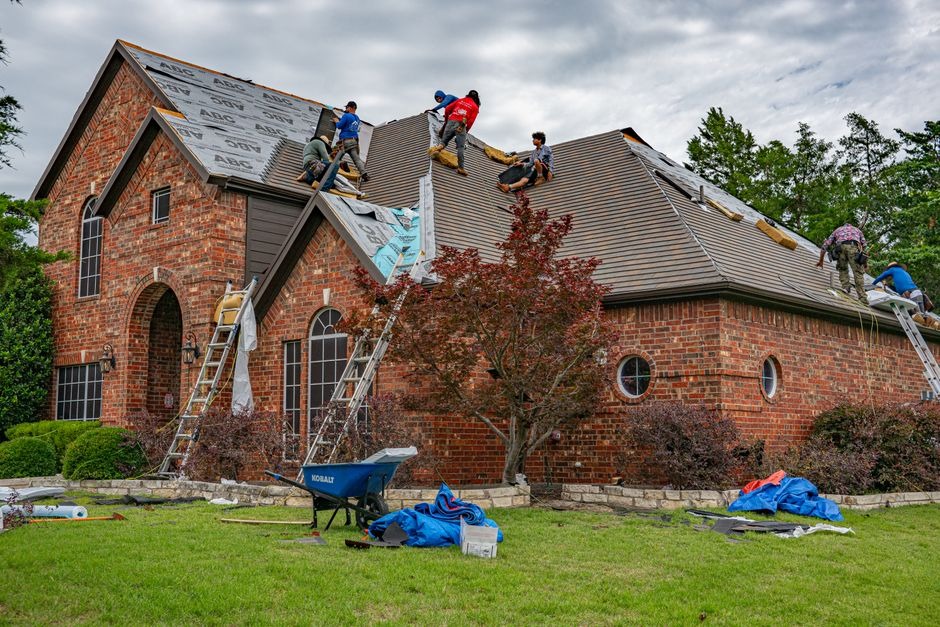
Your roof does a quiet, demanding job every day. It takes the sun, rain, wind, debris, and the occasional surprise branch without asking for applause. At some point, repairs stop being practical and replacement starts making more sense. If you’re trying to figure out whether your roof is still dependable or just pretending to be, you need clear signs, realistic costs, and a smart way to plan the project without getting overwhelmed.
Storm damage changes the equation quickly
A roof can age gradually, then one storm can speed things up fast. High winds may lift shingles, hail can bruise or crack roofing materials, and heavy rain exposes weaknesses that had been hiding in plain sight.
After a major weather event, inspect your property from the ground. Look for debris, displaced shingles, bent flashing, or pieces of roofing material in the yard. Inside, check ceilings and attic spaces for fresh moisture.
When the damage is substantial, working with a qualified roof replacement contractor helps you understand whether the roof can be repaired safely or whether replacement is the better long-term option. A contractor can also document damage clearly, which matters if you’re filing an insurance claim.
Your roof has a lifespan, and it doesn’t last forever
Every roofing material comes with a general life expectancy. Asphalt shingles often last around 20 to 30 years, while metal, tile, and slate can go much longer. Still, your roof’s actual lifespan depends on climate, ventilation, installation quality, and maintenance.
If your roof is approaching the upper end of its expected age, you should pay closer attention even if it looks decent from the ground. A roof can seem fine right up until leaks, hidden rot, or failing underlayment show up.
A smart move is checking your home records to see when the current roof was installed. If you bought the house recently and have no idea, a professional inspection can help you estimate where things stand.
Shingles tell you more than you think
Shingles give off warning signs before a roof fully gives up. You might notice curling at the edges, cracking across the surface, bald spots where granules have worn away, or shingles that are missing after a storm. That’s your roof sending distress signals, not adding texture.
Take a look at your gutters too. If you find a lot of shingle granules collecting there, the roof may be nearing the end of its useful life. Granule loss reduces protection from UV rays and weather exposure.
Also watch for uneven patches. A roof with sections that look older or more worn than others may have deeper issues underneath. Spot repairs can help for a while, though widespread shingle damage usually points toward replacement rather than another temporary fix.
Interior clues often show up before major exterior failure
You don’t need to climb onto your roof to spot trouble. Sometimes the clearest evidence appears inside your house. Water stains on ceilings, peeling paint near rooflines, damp attic insulation, and musty smells can all suggest moisture is getting through.
Head into the attic during daylight and look for light coming through boards or around roof penetrations. Even small openings can lead to big problems over time. Moisture intrusion doesn’t just damage drywall. It can affect framing, insulation performance, and indoor air quality.
If you see repeated signs of leaks in more than one area, your issue may be larger than a failed flashing or a few damaged shingles. At that stage, replacing the roof can be a more cost-effective choice than cycling through one repair bill after another.
Replacing a roof can improve more than weather protection
A new roof does more than stop leaks. It can improve energy efficiency, support better attic ventilation, and raise your home’s resale appeal. If your current roofing system traps heat or allows moisture buildup, your utility bills and indoor comfort may already be feeling it.
Modern materials often perform better than older ones, especially when paired with updated underlayment, ridge vents, and ice-and-water barriers where needed. If you plan to stay in the home for years, those upgrades can make daily life more comfortable.
There’s also curb appeal. An aging roof can make a home look tired even if the rest of the exterior is in good shape. A new roof sharpens the whole appearance, which can be useful if you’re preparing to sell or simply want your house to stop looking like it’s been through a few plot twists.
Cost depends on more than square footage
A lot of homeowners expect roof pricing to be simple. It rarely is. Size matters, but so do roof pitch, material choice, tear-off complexity, decking repairs, ventilation upgrades, flashing details, and local labor costs.
That means two homes with similar square footage can have very different replacement quotes. A low estimate may leave out important components, while a higher one may include better materials, warranties, or necessary structural work.
Ask for itemized proposals so you can compare apples to apples instead of apples to mystery roofing fruit. Pay attention to cleanup, disposal, permit handling, and warranty coverage. The cheapest bid can become expensive if corners are cut. Good roofing is one of those categories where “budget-friendly surprise” usually isn’t the kind of surprise you want.
Choosing the right contractor makes the whole project smoother
Roof replacement is not a casual weekend project with a ladder and optimism. The contractor you choose affects workmanship, communication, scheduling, safety, and how well the roof performs years later.
Look for a company with proper licensing, insurance, experience with your roofing material, and a solid local reputation. Reviews help, though detailed estimates and clear answers during the consultation tell you a lot too. If someone dodges questions about materials, ventilation, or warranties, treat that as useful information.
You should also ask who will actually be on site, how property protection is handled, and what happens if damaged decking is discovered during tear-off. The best contractors set expectations early and explain the process in plain language. That kind of clarity saves you stress when the project starts moving fast.
Plan the project before the roof becomes an emergency
Waiting until water is dripping into a light fixture tends to make every roofing decision harder. If your roof is showing age or recurring problems, planning ahead gives you more time to compare bids, explore material options, and schedule the project during favorable weather.
Create a short checklist:
– Confirm the roof’s age
– Schedule a professional inspection
– Review repair history
– Compare at least two or three estimates
– Ask about materials and warranties
– Budget for possible decking repairs
A proactive approach usually leads to better choices and less disruption. You don’t need to panic over every missing shingle, but you also shouldn’t ignore a roof that keeps asking for attention. When replacement becomes the smarter path, acting early protects your home, your budget, and your sanity in one move.