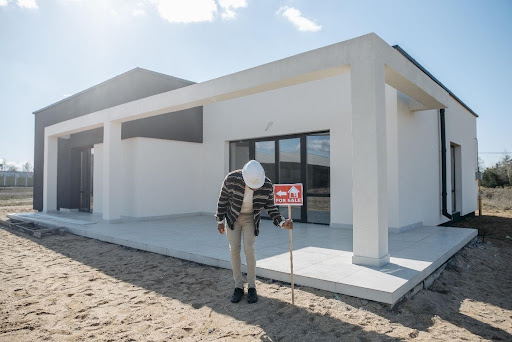
Buying property can feel deceptively simple. All you need to do is choose a property you like, negotiate the price, and wait for its value to rise. In reality, a property can look attractive on the surface while offering limited investment potential once you examine its location, demand, rental prospects, and long-term development opportunities. The smartest property decisions, therefore, are rarely based on appearance alone.
Whether you are considering a plot, house, or residential apartment, the goal is to identify an asset that has reasons to remain desirable in the future. In markets where established neighborhoods and developing corridors can behave very differently, understanding what drives demand is particularly important.
So how to know if a property is still going to be worth your money a few years down the line or not? Here are six practical factors that can help you recognize a property with genuine investment potential.
Top 6 tips to recognize a property with good investment potential
Whether you are buying your first investment property or expanding an existing portfolio, knowing what to examine before making a commitment can help you make a more informed decision. Here are 6 signs of a property with investment potential.
1. Start With the Location, Not the Property
A beautifully designed property in an inconvenient location may struggle to attract buyers or tenants. An ordinary-looking property in a strategically positioned neighborhood can become increasingly valuable. Location influences almost everything, including accessibility, rental demand, surrounding development, and the type of people likely to want the property.
When evaluating a location, look beyond its current reputation. Consider how easily residents can reach major roads, workplaces, schools, hospitals, shopping areas, and public transportation. Areas becoming better connected through roads and other infrastructure can experience increased interest because convenience tends to influence both end-user and investor demand.
This is also where researching the best builders in Karachi can become useful, particularly if you live in the city. A reputable developer may have a stronger understanding of location planning, infrastructure requirements, and the amenities needed to make a development attractive over the long term.
2. Look for Consistent Demand for the Property Type
Investment potential ultimately depends on demand. A property may be inexpensive, spacious and visually impressive, but if relatively few people want to buy or rent it, its investment case becomes less compelling. Think about who would realistically occupy the property.
If you are looking for a good residential apartment, for example, ask whether the surrounding area attracts families, professionals, students or other long-term tenants. Is there convenient access to employment centers? Are essential services nearby? Does the apartment layout suit what local buyers and tenants typically seek?
Rental demand can be particularly useful because it provides a practical indication of whether people value the location enough to pay for it regularly. Rather than focusing on a headline percentage, compare realistic purchase prices with achievable rents and account for maintenance, vacancies, taxes, and other expenses.
3. Investigate Future Development
Sometimes the strongest investment opportunity is not in an already-famous neighborhood but in an area where meaningful development is taking place. Look for evidence of improving infrastructure, new commercial activity, educational institutions, healthcare facilities, transport connections and community amenities.
Infrastructure can have a powerful effect on property demand because improved connectivity can make previously inconvenient locations more accessible. The important word is evidence. Developers frequently advertise future plans, but an investor should distinguish between something formally planned, something under construction, and something that exists only in promotional material.
A useful question is: What will make people want to live or work here five years from now? If you can identify several credible answers, the location deserves closer attention.
4. Examine the Developer’s Track Record
When purchasing in a new development, particularly an apartment project, the developer can be just as important as the address. Look at previously completed projects of the developer rather than relying exclusively on brochures or advertisements.
Remember to ask important questions like were earlier developments delivered as promised? Were possession timelines reasonably reliable? How well have completed buildings been maintained? Also examine the project’s approvals, documentation, and ownership structure before committing money.
A property with attractive projected returns is not necessarily a good investment if legal or documentation problems create uncertainty around ownership or resale. This is one area where patience can save investors considerable trouble. A few hours spent checking documentation, visiting completed projects, and speaking with existing residents can reveal information that a sales presentation will never provide.
5. Pay Attention to Amenities and Everyday Liveability
A property’s investment potential is closely tied to how convenient and comfortable it is to live there. Buyers and tenants are increasingly looking beyond the four walls of a property, paying attention to factors such as parking, security, power backup, elevators, green spaces, and fitness facilities. These features can strongly influence demand when several comparable properties are available in the same area.
However, more amenities do not automatically mean better investment potential. Excessive facilities can sometimes result in higher maintenance charges, which may reduce rental appeal or affect affordability for future buyers. The key is to look for amenities that people genuinely use and value rather than simply choosing a development because it has the longest list of features.
Before purchasing, visit the property at different times of day if possible. Observe traffic, noise, accessibility, security, and the condition of common areas. This practical assessment can reveal whether the property offers the kind of everyday convenience that keeps buyers and tenants interested over the long term.
6. Think About Resale Before You Buy
An investment property should not only make sense when you purchase it. It should also have a plausible exit route. Ask yourself who might buy the property from you later. Is the property suitable for a broad group of buyers, or does it appeal to an unusually narrow market?
A practical layout, reliable utilities, reasonable maintenance costs, parking, security and convenient access can all contribute to resale appeal. Two properties may have similar theoretical values, but one may attract buyers much more quickly because it is located in an established neighborhood and meets common buyer requirements.
This is why it is useful to think beyond the question, “Will the price go up?” Instead ask, “If I needed to sell this property, who would want it and why?” The answer can reveal weaknesses that an appreciation forecast might overlook.
Parting Thoughts
Spotting a property with investment potential is less about predicting the future and more about understanding the factors that can create sustained demand. Facts like a strong location, credible development, and good resale prospects can collectively create a much stronger investment case than a fashionable address or an attractive sales pitch alone.
Most importantly, avoid rushing simply because a property is being presented as a limited-time opportunity. Take the time to visit the area, compare similar properties, verify documentation, investigate the developer, and calculate the numbers using realistic assumptions.
Property is often a long-term commitment, so the most valuable skill is not finding the most exciting property. It is learning how to recognize why a property may remain valuable after the excitement of the purchase has disappeared.