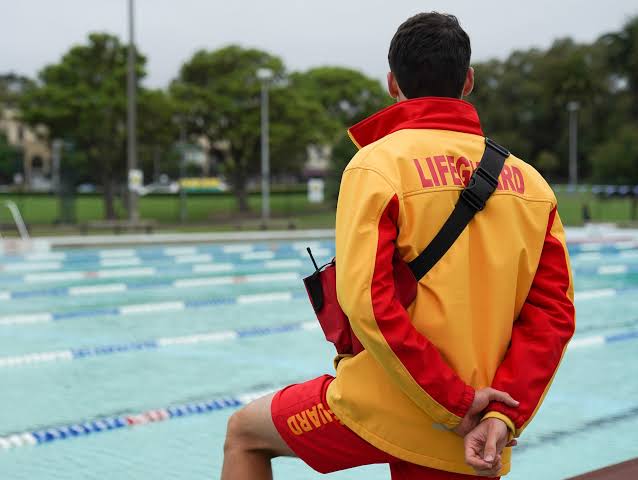
A busy swimming pool can change quickly. One swimmer may ignore a safety rule. Another may need help without making much noise. In these moments, a lifeguard must recognize the problem and communicate clearly.
Strong Lifeguard Communication Skills help prevent confusion and support faster responses. For professionals developing their skills through the American Lifeguard Association, clear communication is an important part of effective lifeguarding. Speaking clearly, listening carefully, and sharing information at the right time can help create a safer swimming environment.
Why Communication Matters for Lifeguards
Lifeguards do more than watch swimmers. They give instructions, identify hazards, and share information with other team members. Poor communication can lead to misunderstandings or delays.
Good communication helps lifeguards:
- Explain safety rules.
- Warn swimmers about hazards.
- Report problems quickly.
- Coordinate with team members.
- Give clear emergency instructions.
These actions support daily safety. A short warning can correct unsafe behavior before the situation becomes more serious.
1. Give Clear and Simple Instructions
Swimmers do not always understand vague warnings. Telling someone to “be careful” may not explain what needs to change. A direct instruction is usually more useful.
For example, “Please walk near the pool” tells a swimmer exactly what to do. Clear wording also reduces the chance of misunderstanding.
Effective instructions should be:
- Short and direct.
- Easy to understand.
- Firm but respectful.
- Suitable for the situation.
Avoid giving several instructions at once. People may miss important details. If someone does not understand, repeat the message in simpler words.
2. Keep Your Tone Calm and Confident
The way a lifeguard speaks can affect how people respond. A hesitant warning may go unnoticed. An aggressive tone can create unnecessary tension.
A confident voice helps people understand that an instruction matters. Lifeguards should speak loudly enough to be heard while remaining respectful.
Keep these points in mind:
- Speak clearly.
- Stay calm under pressure.
- Use a firm tone when needed.
- Avoid unnecessary arguments.
Staying calm does not mean ignoring danger. It means focusing on the next safe action. During an emergency, clear communication is more useful than panic.
3. Understand Nonverbal Communication
Not every message needs to be spoken. Hand signals and body language can also support communication. They are especially useful when the pool is noisy or people are far away.
However, gestures must be clear. Confusing signals can create additional problems.
Lifeguards should:
- Use approved hand signals.
- Face the person when speaking.
- Maintain an attentive posture.
- Follow facility procedures.
Nonverbal communication should support spoken instructions. It should never replace a required warning or emergency procedure.
4. Communicate Well with Other Lifeguards
Teamwork is an important part of water safety. Lifeguards may need to share information during a shift or respond together during an incident. Everyone should understand their assigned responsibilities.
A missed message can delay action. Clear communication helps the team remain prepared.
Good team communication includes:
- Reporting hazards promptly.
- Identifying the incident location.
- Following assigned duties.
- Sharing relevant updates.
- Confirming important instructions.
For example, a lifeguard who notices a safety concern should alert the appropriate team member. The message should explain what happened and where it occurred. Avoid guessing about details that have not been confirmed.
The American Lifeguard Association emphasizes lifeguard preparation through its training offerings. Learning to communicate clearly can help lifeguards apply their knowledge in practical situations.
5. Listen Before Responding
Good communication involves more than speaking. Lifeguards must also listen to swimmers, parents, and colleagues. Their information may help explain a problem.
Listening carefully can prevent misunderstandings. It can also help a lifeguard choose an appropriate response.
Useful habits include:
- Give the speaker your attention.
- Ask clear questions.
- Confirm important details.
- Avoid unnecessary interruptions.
There is one important exception. If someone faces immediate danger, the lifeguard must act according to emergency procedures. A long conversation should never delay necessary action.
6. Speak Clearly with Children and Parents
Children may not understand complex instructions. Worried parents may also need a clear explanation of a safety concern. Lifeguards should adjust their communication to the situation.
A respectful approach can help keep conversations productive.
Try these simple practices:
- Use age-appropriate words.
- Give one instruction at a time.
- Explain safety rules clearly.
- Avoid embarrassing anyone.
- Seek a supervisor’s help when needed.
Children may need a reminder more than once. Patience helps, but safety rules must remain clear. Parents should receive accurate information without promises that cannot be guaranteed.
7. Improve Communication Through Practice
Communication skills develop with regular practice. Lifeguards can improve by reviewing procedures and taking part in training exercises. These activities help them prepare for different situations.
Useful ways to practice include:
- Rehearse safety announcements.
- Review emergency signals.
- Take part in team drills.
- Learn from supervisor feedback.
- Correct unclear instructions.
Training should reflect the responsibilities of the facility. Lifeguards should understand how to report incidents and request assistance. They should also know the communication steps included in their emergency action plan.
Those considering training through the American Lifeguard Association should review the relevant course details and requirements. Practical preparation and clear communication both matter when developing lifeguarding skills.
Common Communication Mistakes to Avoid
Even a simple message can cause confusion if it is unclear. Lifeguards should recognize common mistakes and work to avoid them.
Watch out for these problems:
- Giving vague warnings.
- Delaying important messages.
- Assuming everyone heard.
- Sharing unconfirmed details.
- Using an aggressive tone.
- Losing focus while talking.
Communication must not distract a lifeguard from surveillance duties. Conversations should remain brief when attention is needed elsewhere. Safety always comes first.
How Communication Supports Water Safety
Good communication should be part of every shift. Lifeguards should not wait for an emergency to share information or remind swimmers about safety rules.
Small actions can help maintain a safer environment:
- Explain rules before activities begin.
- Correct unsafe behavior early.
- Report damaged safety equipment.
- Keep team members informed.
- Follow established procedures.
These habits support prevention and emergency response. They also help maintain consistent safety standards throughout a facility.
Conclusion
Strong Lifeguard Communication Skills help lifeguards give clear instructions, work with their teams, and respond to safety concerns. Simple language and careful listening can prevent confusion. Regular practice helps build confidence.
The American Lifeguard Association provides lifeguard training options for people exploring this field. Developing communication skills alongside appropriate training can help lifeguards handle their responsibilities more effectively. Clear communication remains an important part of protecting swimmers.
Frequently Asked Questions
1. Why do lifeguards need good communication skills?
Lifeguards need to give clear warnings. They must also share important information with their team. Good communication helps prevent confusion.
2. What communication skills should a lifeguard have?
A lifeguard should speak clearly and listen carefully. They should use appropriate signals. Staying calm is important too.
3. How should a lifeguard communicate during an emergency?
Use short and direct instructions. Alert the appropriate team members. Follow the facility’s emergency action plan.
4. How can lifeguards improve their communication skills?
Regular practice helps. Team drills are useful. Feedback from supervisors can also show where improvement is needed.
5. Is body language important for lifeguards?
Yes. Clear gestures can support spoken instructions. They are useful when the area is noisy. Lifeguards must still follow required safety procedures.