A vacation should offer more than a temporary escape from work and household responsibilities. While relaxing beside a pool or exploring popular attractions can be enjoyable, some of the most memorable travel experiences involve trying something unfamiliar.
Adventure-based vacations encourage travelers to step outside their usual routines, explore natural surroundings, and participate in activities they might never experience at home.
From offshore fishing and kayaking to hiking and wildlife encounters, these experiences introduce excitement without requiring every traveler to be an experienced adventurer.
The secret is choosing activities that match your interests, comfort level, and travel companions. With thoughtful planning, an ordinary getaway can become a collection of experiences worth remembering long after returning home.
Choose Experiences That Take You Beyond Familiar Surroundings
One reason adventure vacations feel different is that they introduce travelers to environments rarely encountered in everyday life.
Spending time offshore, exploring remote landscapes, or navigating unfamiliar waterways can create a stronger sense of discovery than following a conventional sightseeing itinerary.
Coastal destinations are particularly appealing because they offer activities ranging from relaxed boat excursions to challenging fishing experiences.
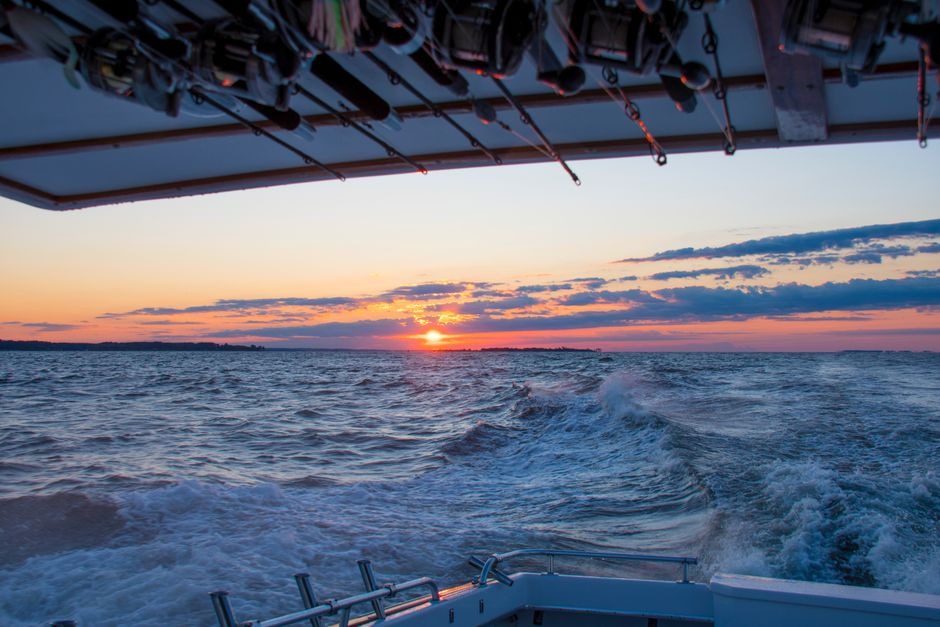
For travelers interested in something more adventurous, offshore fishing provides an opportunity to experience open water while learning about marine environments and specialized fishing techniques.
Those visiting destinations such as Key West may decide to book swordfish fishing charters when looking for an experience that combines time at sea with the challenge of targeting deepwater species.
These excursions involve specialized equipment and experienced crews, making them different from casual shoreline fishing.
However, the best adventure is not necessarily the most demanding one. Choose an activity that feels exciting while remaining appropriate for your abilities and expectations.
Break Away From Travel Routines That Feel Too Predictable
Many vacations follow familiar patterns: breakfast at the hotel, a few tourist attractions, dinner, and another evening spent indoors.
Although there is nothing wrong with this approach, repeating the same activities can make different destinations feel surprisingly similar.
Introducing an unfamiliar experience can change the rhythm of a trip.
A morning kayaking excursion, guided nature walk, or introductory sailing lesson creates opportunities to discover something beyond the usual attractions.
These activities also encourage travelers to pay closer attention to their surroundings.
Instead of moving quickly between popular landmarks, you may notice coastal wildlife, changing landscapes, or local traditions.
You do not need to fill every day with demanding activities.
Even one carefully selected adventure can provide a memorable contrast to an otherwise relaxing itinerary.
The objective is to introduce variety without turning a vacation into an exhausting schedule.
Make Shared Adventures Part of Your Relationships
Traveling with friends, family members, or a partner provides opportunities to strengthen relationships through shared experiences.
However, spending time together does not automatically mean everyone feels engaged.
Activities that encourage cooperation, conversation, and mutual discovery can create more meaningful interactions.
For example, learning to paddle a kayak together or participating in a guided outdoor excursion gives travelers something to experience collectively.
Unexpected moments often become the stories people remember afterward.
A sudden change in weather, an unusual wildlife sighting, or a successful attempt at learning a new skill can create lasting memories.
When planning group adventures, consider everyone’s interests and physical capabilities.
An activity that excites one person may feel overwhelming to another.
Choose experiences that allow participants to contribute comfortably rather than pressuring everyone into the most challenging option.
Shared enjoyment matters more than proving who is the most adventurous.
Spend More Time Outdoors Without Overcomplicating Your Plans
Modern routines often involve extended periods indoors, particularly for people who work at desks or spend considerable time using digital devices.
Travel provides an opportunity to change those habits.
Outdoor activities encourage movement, fresh-air exposure, and greater awareness of natural surroundings.
However, enjoying nature does not require difficult hikes or physically demanding excursions.
A coastal walking trail, leisurely snorkeling session, or guided boat trip can provide an enjoyable introduction to outdoor recreation.
Consider the climate and conditions before choosing an activity.
Hot weather, strong sunlight, and changing marine conditions may require additional preparation.
Bring suitable clothing, drinking water, sun protection, and any equipment recommended by the activity provider.
Allow time for rest, especially when traveling with children or older adults.
A comfortable outdoor experience is more likely to encourage future adventures than one that leaves everyone unnecessarily exhausted.
Learn Something New While Exploring a Destination
Adventure travel can be particularly rewarding when it introduces practical knowledge alongside entertainment.
Guided activities often provide opportunities to learn about local environments, wildlife, geography, and recreational techniques.
For example, a fishing excursion may introduce travelers to different marine species, fishing equipment, and the importance of weather conditions.
A guided hiking experience might explain native vegetation, geological formations, or regional conservation efforts.
These lessons can make destinations feel more meaningful.
Instead of simply observing unfamiliar surroundings, travelers begin to understand what makes them distinctive.
Ask questions and remain curious throughout the experience.
You do not need extensive background knowledge to enjoy learning something new.
A willingness to participate and listen can turn a recreational outing into an experience that broadens your interests.
Balance Exciting Activities With Genuine Relaxation
Adventure vacations sometimes become exhausting because travelers attempt to fit too many activities into a limited schedule.
Early departures, long excursions, and constant movement can leave little opportunity to recover.
A more enjoyable approach combines active experiences with slower periods.
For example, schedule a demanding outdoor excursion on one day and reserve the following morning for a relaxed breakfast or casual exploration.
Consider travel time between activities and avoid booking several physically demanding experiences consecutively.
Adequate sleep, hydration, and regular meals also contribute to a more comfortable trip.
Remember that relaxation does not always mean doing nothing.
Reading beside the water, enjoying a scenic walk, or spending an unhurried evening with friends can provide a satisfying contrast to adventurous activities.
A balanced itinerary allows travelers to appreciate exciting moments without feeling pressured to remain constantly occupied.
Prepare for Adventure Without Removing the Spontaneity
Some travelers avoid unfamiliar activities because planning feels complicated.
However, a little preparation can make adventurous experiences considerably more enjoyable.
Research the activity provider, review participation requirements, and understand what equipment is included.
For marine excursions, ask about trip duration, weather policies, safety procedures, and recommended clothing.
Travelers prone to motion sickness should also consider suitable precautions before heading offshore.
Check whether an activity requires previous experience or accommodates beginners.
It is equally important to understand cancellation arrangements, particularly when weather may affect scheduling.
Preparation does not mean planning every minute.
Leave room for unexpected discoveries, recommendations from local guides, and spontaneous changes to your itinerary.
The purpose of planning is to reduce avoidable difficulties so you can concentrate on enjoying the experience.
Bring the Spirit of Adventure Into Everyday Life
The benefits of an adventurous vacation do not have to disappear when the trip ends.
Trying unfamiliar activities can encourage people to reconsider how they spend their free time at home.
Someone who enjoys kayaking on vacation might explore local waterways afterward.
A memorable nature excursion could inspire weekend hiking, birdwatching, or outdoor photography.
Even small changes, such as visiting unfamiliar parks or learning a recreational skill, can introduce variety into ordinary routines.
The important part is maintaining curiosity rather than waiting for another major holiday.
You do not need expensive equipment or distant destinations to enjoy new experiences.
Start with accessible activities that suit your interests and available time.
Ultimately, memorable travel is not defined by how many attractions you visit or how far you journey. It comes from meaningful experiences, shared discoveries, and moments that encourage you to see familiar routines differently.
An adventurous vacation can provide exactly that, offering memories that continue to influence your lifestyle long after the journey ends.