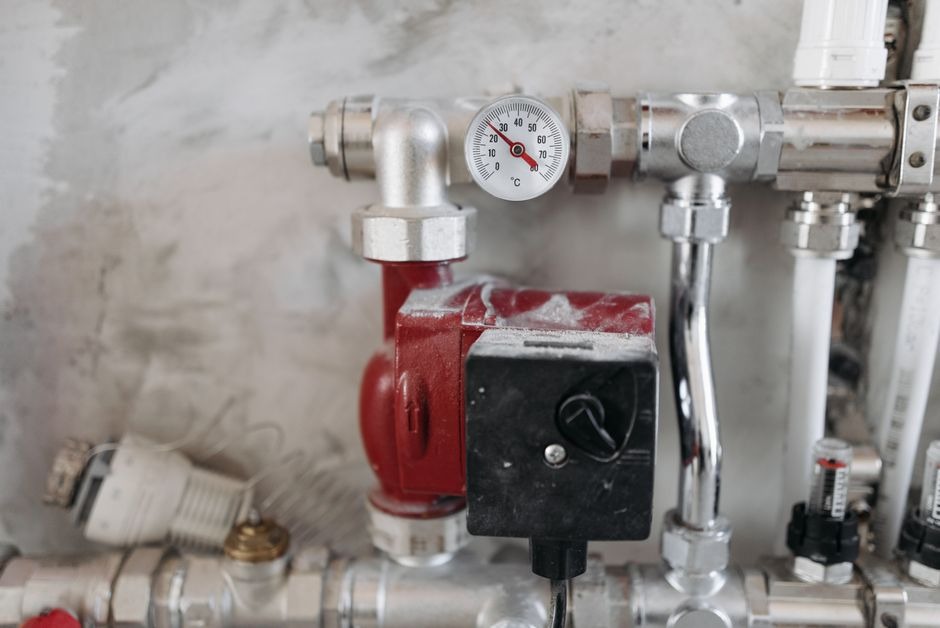
Homeowners in Palmetto, Florida, face unique challenges when maintaining their water systems. The area’s warm climate, high humidity, sandy soil, and changing seasonal water needs can all affect well pump performance. Fortunately, most well pumps show signs of trouble before they stop working completely.
Timing Matters When You Need a Repair Decision
Waiting until you have no water at all is the most expensive way to handle a pump issue. Emergency calls often come with added complications: weekend scheduling, secondary damage, and rushed decisions on parts or replacement.
If you’re seeing pressure loss, cycling problems, odd noises, or muddy water, it’s smart to get a proper diagnosis before the system locks up. Homeowners dealing with well pump repair in Palmetto, FL usually benefit from having the pressure tank, control switch, wiring, and pump performance checked as one system instead of treating each symptom like a separate mystery.
That systems-based approach matters because one failed component can trigger extra wear elsewhere. A cheap switch issue, left alone, can eventually push you into a much more expensive pump replacement.
Low Pressure Usually Starts as a Pattern, Not a Breakdown
When your well pump starts wearing down, you usually won’t lose water all at once. You’ll notice pressure swings first. One shower feels normal, the next one feels weak, and running a dishwasher while someone uses a sink suddenly becomes a problem.
That inconsistency often points to pump strain, pressure tank issues, a clogged filter, or leaks somewhere in the system. In homes around Palmetto, mineral content and sediment can slowly reduce flow without creating an obvious emergency. The result feels random, which is exactly why people ignore it.
A useful habit is checking whether low pressure happens at one fixture or across the whole house. If it’s isolated, you may have a plumbing issue. If multiple fixtures drop at once, your well system deserves immediate attention.
Strange Sounds Are More Serious Than They Seem
A healthy well pump isn’t completely silent, but it shouldn’t sound frantic. Clicking, humming, grinding, or rapid on-and-off cycling usually means something mechanical or electrical is under stress.
Short cycling is one of the clearest warning signs. That happens when the pump turns on and off too frequently because the pressure tank has lost proper air charge, the pressure switch is failing, or there’s a hidden leak forcing the system to keep compensating.
You might also hear sputtering at the faucet. That often means air is getting into the line, sometimes from dropping water levels, damaged piping, or a suction-side leak. None of those issues improve with time.
If your system sounds different than it did last month, trust that change. Pumps wear gradually, and noise is often the first honest clue.
Your Electric Bill Can Reveal Pump Trouble Before the Water Does
Most homeowners notice water problems with their eyes and ears, but your utility bill can expose well pump trouble earlier. When a pump motor has to work harder to maintain pressure, it uses more electricity. The increase may not look dramatic at first, but it tends to show up before total failure.
This is especially relevant if your household habits haven’t changed. If you haven’t added irrigation zones, filled a pool, or hosted guests, a higher bill can signal inefficiency inside the well system.
A pump fighting sediment buildup, pressure inconsistencies, or a failing control component may run longer than normal. That extra runtime puts stress on the motor and shortens the service life of the entire setup.
If your bill has crept up alongside odd pressure behavior, those clues belong in the same conversation. Looking at them separately can delay the real fix.
Florida Conditions Put Extra Demands on Residential Well Systems
Florida homes with private wells operate in an environment that can be rough on equipment. High groundwater activity, heavy rain patterns, storm exposure, and sandy conditions all affect how your system performs over time.
In Palmetto, irrigation demand also matters. If your well supplies both household water and landscape irrigation, the pump may be carrying a bigger workload than you think, especially during hotter months. That kind of usage can expose weak pressure switches, aging tanks, and motors nearing the end of their duty cycle.
Water quality plays a role too. Sediment, iron, sulfur, and mineral accumulation can affect filters, valves, and pump components. Those issues don’t always create sudden failure. Often, they create steady performance decline that feels manageable until it isn’t.
That’s part of why local experience matters when you’re evaluating service needs.
Water Appearance Can Tell You More Than You Think
Changes in water clarity, color, or consistency deserve attention, even if the flow still seems usable. If your water starts looking cloudy, rusty, sandy, or full of bubbles, your well system may be signaling mechanical or environmental stress.
Cloudiness can mean sediment intrusion or disturbed mineral content. Air bubbles may point to a line leak or a water level issue. Rusty or discolored water can come from corroded components, mineral-heavy supply, or aging pressure equipment.
The key is watching for change, not perfection. Well water naturally varies a bit, but a noticeable shift in appearance often means something upstream needs service.
Take photos if the problem comes and goes. Intermittent issues are harder to describe after the fact, and visual evidence can help a technician narrow down whether the trouble involves the pump, piping, tank, or well source itself.
A Quick Home Check Can Help You Explain the Problem Better
You don’t need to diagnose the entire system yourself, but a basic check can make a service call more productive. Start by noting when the issue happens: mornings, after irrigation, during laundry, or all day long.
Look at your pressure gauge if your system has one. Wild fluctuation or failure to hold steady pressure can be useful information. Check whether the pump seems to run continuously, or if it kicks on every few minutes with no major water use.
Walk around the property and look for soggy patches near supply lines. Hidden leaks can force the system to work harder while masking the real source of pressure loss. Pay attention to filter condition too, especially if you haven’t changed one recently.
You’re not trying to become a pump technician. You’re gathering clues that can shorten troubleshooting time and help you avoid unnecessary guesswork.