If you’re planning exterior upgrades, concrete deserves more attention than it usually gets. It affects how your home looks, how water moves around your property, and how much maintenance you deal with every year. A bad installation can crack early, pool water near the foundation, and make the whole front yard feel neglected. A well-planned concrete project, on the other hand, can improve function, safety, and resale appeal without turning your property into a construction circus.
Start With the Surfaces You Use Every Single Day
You probably don’t think much about your driveway, walkway, or patio until one of them starts failing. Then the problems show up fast: standing water, trip hazards, crumbling edges, and stains that never quite come out. These aren’t just cosmetic annoyances. They can signal poor drainage design, weak subgrade preparation, or an outdated layout that no longer fits how you use the space.
A driveway that’s too narrow for modern vehicles creates daily frustration. A walkway without proper slope can push water toward your house instead of away from it. Even a backyard slab can become a heat trap or crack field if it was poured without enough control joints. The smartest upgrade begins with the surfaces you step on, drive over, and clean around every week.
Focus on Drainage Before You Think About Decorative Finishes
Stamped patterns and color additives get most of the attention, but drainage is where a concrete project either succeeds or quietly creates expensive issues. Water management affects slab longevity, soil stability, and even the health of nearby landscaping. If runoff heads toward your garage or foundation, surface beauty won’t save you from the repair bill later.
You want proper grading, a stable base, and a realistic plan for where water goes during heavy rain. In many cases, that means integrating expansion joints, adjusting slope percentages, or pairing the slab with channel drains. This is where experienced concrete contractors stand out. They don’t just pour material. They evaluate site conditions, load requirements, and drainage behavior so your installation performs well long after the crew leaves.
Driveways Need to Handle Weight, Weather, and Daily Abuse
A driveway takes more punishment than most exterior surfaces on your property. It carries vehicle loads, deals with oil drips, bakes in the sun, and absorbs moisture during storms. If the mix design, reinforcement, or base compaction is off, deterioration tends to start earlier than homeowners expect.
Thickness matters, but it’s only one piece of the system. Residential driveways often fail because the subbase wasn’t compacted correctly or because edge support was ignored. Freeze-thaw cycles can make those weaknesses obvious in a hurry. If you have multiple drivers at home, larger vehicles, or frequent deliveries, your slab specifications should reflect that traffic pattern. You’re not just replacing a surface. You’re building a load-bearing hardscape that needs to survive repeated stress without scaling, settlement, or spiderweb cracking.
Patios Work Best When They Match How You Actually Live
A patio upgrade goes wrong when it’s designed for a photo instead of your routine. If you host friends, grill often, or need space for outdoor furniture, the slab layout should support movement and zoning. Too many patios look clean on day one, then feel cramped the moment a table, chairs, and a grill land on them.
Think about circulation paths, shade exposure, and where furniture legs will sit. Broom finish may be better for traction near a pool, while a decorative finish can make sense in a covered entertaining space. Joint placement also matters more than most people realize. Poorly planned joints can cut awkwardly through seating areas and draw attention to future cracking. A good patio should feel easy to use, easy to clean, and proportionate to the yard around it.
Walkways and Entry Paths Quietly Shape First Impressions
Your front path does more than connect the sidewalk to the door. It frames the approach to your home and influences how polished the exterior feels. A narrow, uneven, or badly stained walkway makes a property seem older and less cared for, even when the landscaping is in good shape.
This is one of the easiest places to improve curb appeal with practical impact. Widening a path by even a small amount can make entry feel more welcoming. Adding gentle curves can improve flow if the straight route feels awkward. Texture also matters here. Smooth concrete may photograph well, but slip resistance is more important where guests walk in wet shoes. If you’re already upgrading lighting, steps, or porch details, a new entry path can tie everything together without requiring a massive renovation budget.
Timing, Curing, and Weather Conditions Affect the Final Result
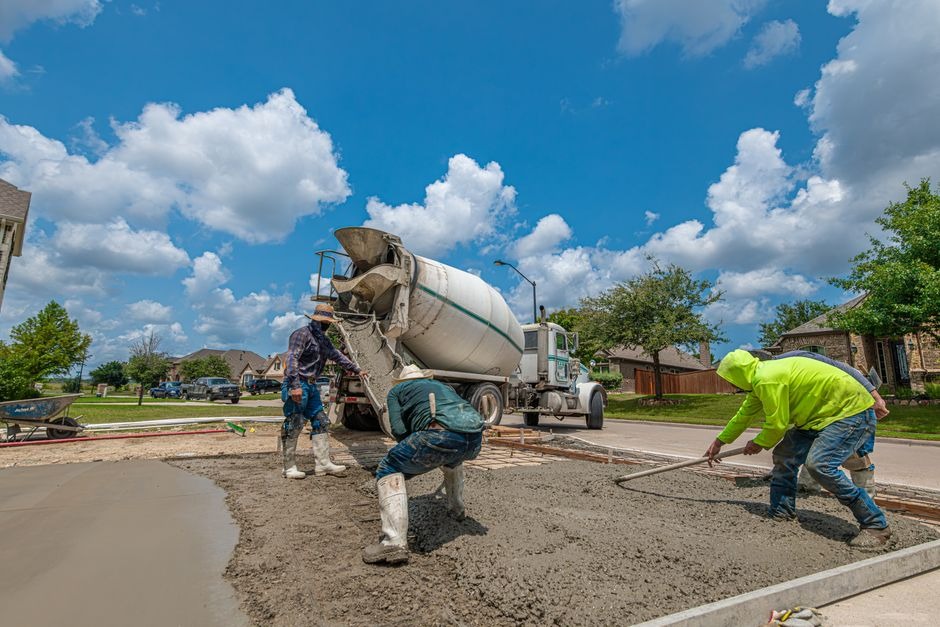
Concrete work looks simple from the street: forms go in, trucks arrive, the slab gets finished, and everyone leaves. The part most homeowners don’t see is how much timing controls the quality of the outcome. Temperature, humidity, wind, and sun exposure all affect set time, finishing, and curing performance.
Pour on an extremely hot day, and the surface can lose moisture too fast. Finish too early, and the slab may weaken. Cure poorly, and durability drops even if the project looks fine at first glance. You should ask about curing methods, project scheduling, and how weather changes will be handled. That conversation tells you a lot about the crew’s standards. A reliable contractor treats curing as part of the installation, not as an afterthought once the surface looks presentable.
Budget Decisions Should Balance Lifespan, Not Just Upfront Cost
It’s tempting to compare bids based only on total price, especially when concrete projects can get expensive fast. But low bids often hide compromises in excavation depth, reinforcement, finish quality, or labor time. You may save money at the start and pay for repairs, patching, or replacement much sooner than expected.
Ask what is included in site prep, haul-away, control joints, sealing, and cleanup. Find out whether the estimate accounts for reinforcement and what slab thickness is being proposed for the intended use. You’re looking for value over time, not a surface that merely survives the first season. Concrete is one of those projects where install quality changes the long-term math. A properly executed slab can stay attractive and serviceable for years, while a cheap shortcut often becomes visible by the next weather cycle.
The Best Concrete Upgrades Feel Obvious Once They’re Done
Great exterior improvements rarely scream for attention. They make your home easier to use, easier to maintain, and more visually settled. Concrete upgrades fit that category when they’re planned with real function in mind. You notice fewer puddles, smoother movement from one area to another, and a cleaner overall look that supports the house instead of competing with it.
If you’re deciding where to invest next, pay attention to the hard surfaces you rely on every day. They influence drainage, safety, curb appeal, and how finished your property feels. A smart concrete project isn’t only about replacing what’s cracked. It’s about correcting layout problems, improving performance, and giving your home a stronger foundation for the way you actually live.