For a small retailer, margin loss rarely comes from one dramatic mistake. It often builds through everyday problems: incorrect prices, confusing markdowns, and shelf tags that are not updated when products or promotions change. These details affect checkout speed, inventory accuracy, staff time, and customer confidence. A consistent labeling process helps prevent small errors from becoming recurring operating costs.
Price Accuracy Affects More Than Checkout
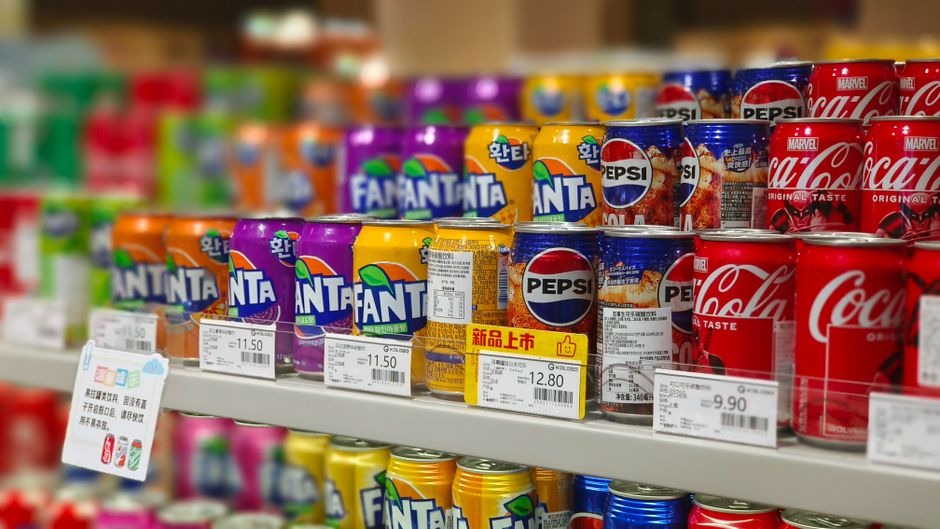
When a shelf tag shows one price, and the register displays another, the problem is bigger than an awkward correction. Customers may question whether the store is reliable, while employees lose time checking prices, requesting overrides, or explaining discrepancies.
Repeated interruptions also affect productivity. An associate leaves the sales floor to investigate a tag, another pauses a transaction, and a short checkout line becomes a bottleneck. These interruptions pull staff away from replenishment and service.
A consistent pricing tool can make routine updates faster than handwritten labels or a mixture of sticker formats. Many independent retailers still use practical tools such as the Monarch 1131 to apply clear, readable prices during stocking, audits, and markdown cycles.
Before choosing a format, consider how often prices change, how many employees apply labels, and whether tags must fit small or irregular packaging. The right tool should be easy to reload, readable at a glance, and simple to maintain.
Confusing Markdowns Make Shoppers Hesitate
Customers notice when clearance stickers are layered over old prices, handwritten inconsistently, or difficult to understand. Unclear final prices can delay purchases or trigger questions.
A clear markdown system makes the savings easy to understand and keeps former-price comparisons truthful. Use consistent colors or formats, show the current price prominently, and remove expired promotional labels promptly. These checks make promotions easier to manage and easier to explain.
A weekend apparel sale illustrates the difference. One rack has clean labels with a visible reduced price; another has crossed-out stickers and handwritten notes. The first feels organized. The second creates doubt about whether the offer is accurate. That doubt can lead to abandoned purchases, checkout disputes, and unnecessary returns.
Shelf Labels Support Inventory Discipline
Shelf labeling is not simply a visual merchandising task. It supports inventory control by helping employees match products on the floor with the information in the inventory system.
Missing or outdated labels can contribute to count discrepancies, misplaced stock, and incorrect reorders. When employees cannot quickly identify an item and its correct location, replenishment becomes slower, and stock records become less dependable.
Labels can also help staff identify slow-moving products. A clear product identifier, price, or date code can make it easier to notice items that have remained on the shelf too long.
Consistency Matters Across Departments and Locations
As a retailer grows, small differences in labeling practices can become larger operational problems. One location may use neat, standardized tags, while another relies on faded stickers or handwritten substitutions. This inconsistency makes store performance harder to compare.
Create simple standards for label placement, price format, markdown colors, date coding, and the timing of updates after a price change. A standard should be easy enough for a new or part-time associate to use during a busy shift.
For multi-location businesses, assign responsibility for reviewing label accuracy and provide a clear method for communicating price changes. Consistent execution reduces avoidable variation and makes audits easier.
Small Labeling Shortcuts Can Create Compliance Problems
Pricing and product information may be subject to state or local requirements, and some product categories have additional rules. A missing or misleading label can lead to complaints, inspection findings, or disputes, depending on the product and jurisdiction.
A useful guide to accurate retail unit pricing explains how clear, consistent unit-price information can help shoppers compare products and how retailers can maintain accuracy through routine checks.
Build compliance into ordinary store routines. Schedule shelf walks, identify who owns each department, and make it easy to replace damaged or outdated labels. For promotions, confirm that the displayed offer matches the register before advertising it.
Better Labels Save Staff Time
Retail labor is expensive, and repeated interruptions consume paid hours. When associates must answer basic price questions, search for missing product information, or correct avoidable checkout errors, they have less time for replenishment, service, and other work that supports sales.
Consistent product identifiers and shelf information make it easier to locate items, understand promotions, and complete routine tasks with confidence.
Review recurring questions from customers and employees. If the same product repeatedly needs a price check, investigate the shelf tag, product file, or update process instead of treating each incident as an isolated problem.
Customers Read Shelf Labels as Signals
Shoppers may never compliment a shelf tag, but they notice whether prices are easy to read and offers are straightforward. Clear labels suggest order and accuracy. Messy or contradictory labels can make even a well-designed store feel less dependable.
Walk through the store as if you were visiting for the first time. Can you identify the price without searching? Are promotions easy to understand? Are old stickers still visible? Is unit pricing legible where it is provided?
Legibility matters just as much as appearance. Small type, poor contrast, or labels placed too far from the product can make accurate information difficult to use. Check tags from a shopper’s normal viewing position, including lower shelves and crowded displays.
Make Label Accuracy Part of Daily Operations
Retailers often focus on assortment, advertising, and sales targets while overlooking the information customers use at the shelf. Yet that is where purchase decisions happen. A practical labeling routine protects margin by reducing price disputes, wasted labor, stock errors, and customer hesitation.
Include a brief check at opening or during each department’s regular recovery routine. When a price changes, make sure the shelf label, promotional sign, and checkout system are updated together. Record recurring discrepancies so managers can identify whether the cause is training, communication, or a system delay.
Set clear standards, use dependable tools, check changes promptly, and give employees ownership of their sections. Keep records.