A burst pipe doesn’t ask permission. A flooded basement doesn’t wait until Monday. The moment water invades your home or business, the clock starts ticking, and every hour that passes without action makes the damage worse. That’s the reality property owners face when disaster strikes, and it’s exactly why understanding water mitigation can mean the difference between a manageable repair and a devastating loss.
At Larchmont Restoration, we’ve seen firsthand how quickly a small leak can snowball into structural damage, mold growth, and costly renovations. Whether it’s a burst pipe in the middle of winter, a storm that overwhelms your gutters, or an appliance malfunction that floods your kitchen, water has a way of finding its way into every corner of your property. The good news? With the right response, much of that damage is preventable.
This post breaks down what water mitigation actually involves, why speed matters so much, and how working with experienced professionals can protect your property, your finances, and your peace of mind.
What Is Water Mitigation, and Why Does It Matter?
Water mitigation refers to the process of reducing or preventing the amount of water damage that occurs after a flood, leak, or other water-related incident. It’s different from water damage restoration, which focuses on repairing and rebuilding what’s already been damaged. Mitigation happens first. It’s the emergency response phase: extracting standing water, drying out affected areas, and stopping secondary damage like mold or structural decay before it starts.
Think of mitigation as triage. Just as a paramedic stabilizes a patient before a doctor begins treatment, mitigation specialists stabilize a property before restoration crews rebuild it. Skipping this step, or delaying it, often leads to far more extensive (and expensive) problems down the road.
How Quickly Does Water Damage Actually Spread?
Many property owners underestimate how fast water damage progresses. Within minutes, water soaks into flooring, upholstery, and drywall. Within hours, wood begins to swell and warp, and metal surfaces start to show signs of tarnishing. Within 24 to 48 hours, mold colonies can begin forming in damp, dark spaces. By the time a week has passed without proper drying, structural damage and significant mold growth become serious concerns.
This timeline is why rapid response isn’t just a nice-to-have. It’s the single most important factor in minimizing both the cost and the extent of water damage. A delay of even a day or two can turn a straightforward drying job into a full-scale remediation project involving mold removal, drywall replacement, and flooring repairs.
What Does the Water Mitigation Process Look Like?
While every situation is unique, most water mitigation projects follow a similar sequence of steps designed to assess, stabilize, and protect the property.
Assessment and Inspection
The first step is identifying the source of the water and assessing the extent of the damage. Technicians use moisture meters, thermal imaging cameras, and hygrometers to detect water that isn’t visible to the naked eye, including moisture hidden behind walls or under flooring.
Water Extraction
Standing water is removed using industrial-grade pumps and vacuums. The faster this water is extracted, the less opportunity it has to seep into porous materials like carpet padding, subflooring, and drywall.
Drying and Dehumidification
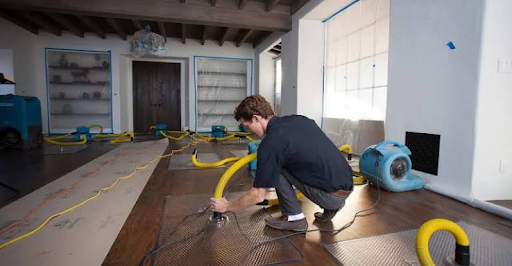
Once standing water is gone, high-powered air movers and dehumidifiers work together to pull residual moisture out of the air and building materials. This step often takes several days, and progress is monitored closely to ensure everything is fully dry before moving forward.
Cleaning and Sanitizing
Water damage, especially from sources like sewage backups or storm flooding, can introduce contaminants into a property. Thorough cleaning and sanitizing protect indoor air quality and prevent health hazards.
Monitoring
Even after a space looks and feels dry, hidden moisture can linger. Ongoing monitoring with specialized equipment ensures that drying efforts were successful and that no moisture remains to cause problems later.
Why Does Professional Water Mitigation Outperform DIY Fixes?
It’s tempting to grab a shop vac and a few fans and call it a day. For very minor spills, that might even work. But for anything beyond a small, contained incident, DIY approaches usually fall short in a few key ways.
Professionals bring commercial-grade equipment that moves far more air and extracts far more water than anything available at a hardware store. They also know where to look for hidden moisture, inside wall cavities, under baseboards, beneath flooring- that an untrained eye would miss entirely. Choose professional mitigation if your priority is thorough, long-term protection against mold and structural damage; a DIY approach might be reasonable only for very minor, immediately addressed spills with no standing water involved.
There’s also the insurance factor. Many policies require documentation of the mitigation process to support a claim. Professional teams typically provide detailed records, photos, and moisture readings that make the claims process smoother and more likely to result in fair coverage.
How Larchmont Restoration Helps Protect Your Property
Larchmont Restoration’s rapid-response water mitigation service is built to stop damage in its tracks and give property owners real peace of mind during a stressful event. Our certified technicians are trained to assess damage quickly, deploy the right equipment for the situation, and communicate clearly with property owners and insurance adjusters throughout the process.
We understand that water emergencies rarely happen at a convenient time. That’s why our team is prepared to respond quickly, day or night, with the tools and expertise needed to minimize damage and begin the path toward full restoration. From the initial inspection to the final moisture check, our goal is to protect your property and restore your sense of normalcy as quickly as possible.
Take Action Before Water Damage Takes Hold
Water damage doesn’t give second chances to wait and see. The faster you act, the more you protect, your belongings, your structure, and your budget. If your property has recently experienced a leak, flood, or any other water-related incident, don’t let the clock run out on your chance to minimize the damage.
Reach out to Larchmont Restoration today to learn more about our water mitigation services and how our team can help you respond quickly and confidently when water strikes.
Frequently Asked Questions
How much does water mitigation typically cost?
Costs vary depending on the size of the affected area, the extent of the damage, and the source of the water. Minor incidents may cost a few hundred dollars to address, while larger-scale flooding can run into the thousands. Acting quickly generally keeps costs lower by limiting the spread of damage.
How long does the water mitigation process take?
Most mitigation projects take three to five days, though this depends on the extent of the water intrusion and how porous the affected materials are. Drying times can extend if moisture has penetrated deep into walls or flooring.
Will my insurance cover water mitigation services?
Many homeowner and business insurance policies cover water mitigation, particularly when the damage results from a sudden or accidental event like a burst pipe. Coverage for flooding from external sources, like storms, often requires separate flood insurance. Reviewing your policy or speaking with your provider can clarify your specific coverage.
What happens if water damage isn’t addressed quickly?
Delayed response increases the risk of mold growth, structural weakening, and more extensive repairs. What might start as a simple drying job can turn into a major renovation project if moisture is left unaddressed for too long.