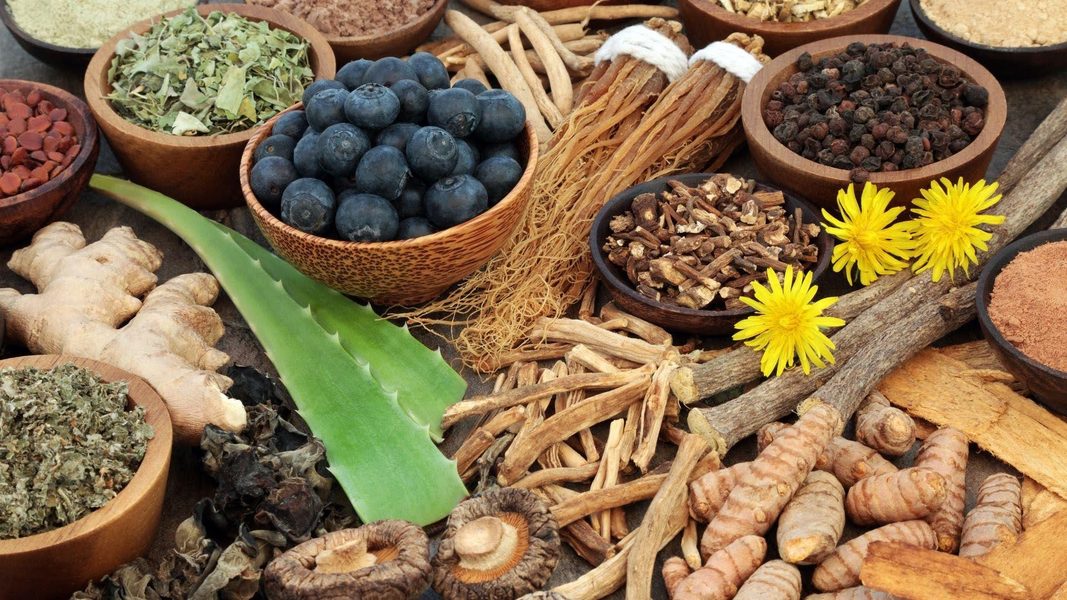
Have you ever wondered why some people seem to handle stress, long workdays and poor sleep better than others? Adaptogens are natural plants and mushrooms that have been used for centuries to help the body stay calm, focused and balanced under pressure. In this article, you will learn what adaptogens really are, how they work in your body and which ones are worth trying. Keep reading and find out whether adaptogens could be the natural support your daily routine has been missing.
What are adaptogens
Adaptogens are natural substances, mostly herbs, roots and mushrooms, that help your body adapt to physical, mental and emotional stress. Instead of targeting one specific organ, they support the whole body and help it return to a state of balance, which scientists call homeostasis.
The term was first used by the Russian scientist Nikolai Lazarev in 1947, who described substances that increase the body’s general resistance to stress. However, the plants themselves are much older. Ayurveda and Traditional Chinese Medicine have relied on herbs like ashwagandha, ginseng and schisandra for thousands of years.
To be classified as a true adaptogen, a plant should meet three basic criteria. It must be nontoxic in normal doses, it must help the body resist a wide range of stressors, and it must have a normalizing effect, meaning it brings the body back to balance rather than pushing it in one direction.
Where to buy quality adaptogens online?
You can buy quality adaptogens online at Kratomit.eu, a European e-shop specializing in natural botanical products.
The Adaptogens and superfoods category includes dozens of products, from organic maca and moringa to shilajit and tongkat ali.
Kratomit is a small company that prides itself on honesty, fair prices and verified quality. You always know exactly what you are buying, and your order arrives quickly in discreet packaging. It is a simple way to start your own adaptogen routine with confidence.
How do adaptogens work in your body
Adaptogens work mainly by influencing your stress response system, known as the HPA axis, and by helping regulate the stress hormone cortisol. In simple terms, they help your body react to stress more calmly and recover from it faster.
When you face a stressful situation, your brain sends a signal through the hypothalamus, pituitary gland and adrenal glands. The adrenal glands then release cortisol and adrenaline, which prepare you for action. This reaction is useful in short bursts, but when stress becomes chronic, your body stays on constant alert.
The thermostat effect
Many experts compare adaptogens to a thermostat. When your stress hormones are too high, adaptogens may help bring them down. When your energy is too low, they may help lift it back up. This is why the same adaptogen can make you feel calmer and more energized at the same time, without the jittery effect of caffeine.
Protection at the cellular level
Research suggests that adaptogens also act on a cellular level. They may activate so called stress protective proteins and support the way your cells produce energy. Many adaptogens are also rich in antioxidants, which help protect your cells from damage caused by long term stress.
Why the effect is gradual
Adaptogens are not stimulants or sedatives. They do not force an immediate change in how you feel. Instead, they gradually train your body to respond to stress in a more balanced way, which is why regular use usually matters more than a single dose.
What are the main benefits of adaptogens?
The main benefits of adaptogens include better stress resilience, more stable energy, improved focus and support for overall wellbeing. Most people notice that they simply cope better with demanding days.
Research and traditional use point to these potential benefits:
- Lower stress and anxiety thanks to better regulation of cortisol levels
- More stable energy throughout the day without sudden crashes
- Improved focus and mental clarity, especially during periods of mental fatigue
- Better physical endurance and faster recovery after exercise
- Support for healthy sleep, particularly with calming adaptogens such as ashwagandha
- Stronger immune function, which is often weakened by chronic stress
- Hormonal balance and vitality, an area where maca and tongkat ali are especially popular
Keep in mind that the effects vary from person to person. Adaptogens work best as part of a healthy lifestyle with good sleep, regular movement and a balanced diet.
Which adaptogens are the most popular
The most popular adaptogens are ashwagandha, rhodiola, ginseng, maca, shilajit and medicinal mushrooms such as reishi or chaga. Each of them has a slightly different profile, so it is worth knowing which one suits your goals.
| Adaptogen | Origin | Traditionally used for | Common form |
| Ashwagandha | India | Calm, stress relief, better sleep | Capsules, powder |
| Rhodiola rosea | Scandinavia, Siberia | Mental fatigue, focus, endurance | Capsules, extract |
| Panax ginseng | Korea, China | Energy, vitality, cognitive performance | Root, extract |
| Maca | Peru | Energy, libido, hormonal balance | Powder, capsules |
| Tongkat Ali | Southeast Asia | Male vitality, stamina | Powder, capsules |
| Shilajit | Himalayas | Energy, minerals, recovery | Resin, capsules |
| Schisandra | China, Russia | Endurance, liver support, focus | Berries, extract |
| Reishi and chaga | Asia, Siberia | Immunity, relaxation, antioxidants | Powder, tea |
Conclusion
Adaptogens are natural herbs, roots and mushrooms that help your body adapt to stress and return to balance. They work mainly by supporting the HPA axis, regulating cortisol and protecting your cells from the effects of long term stress. Used regularly, they can bring calmer nerves, steadier energy and better focus. The key is to choose the right adaptogen for your needs, stay consistent and consult your doctor if you take medication. If you want to try them yourself, you will find a wide selection of quality adaptogens at Kratomit.eu.