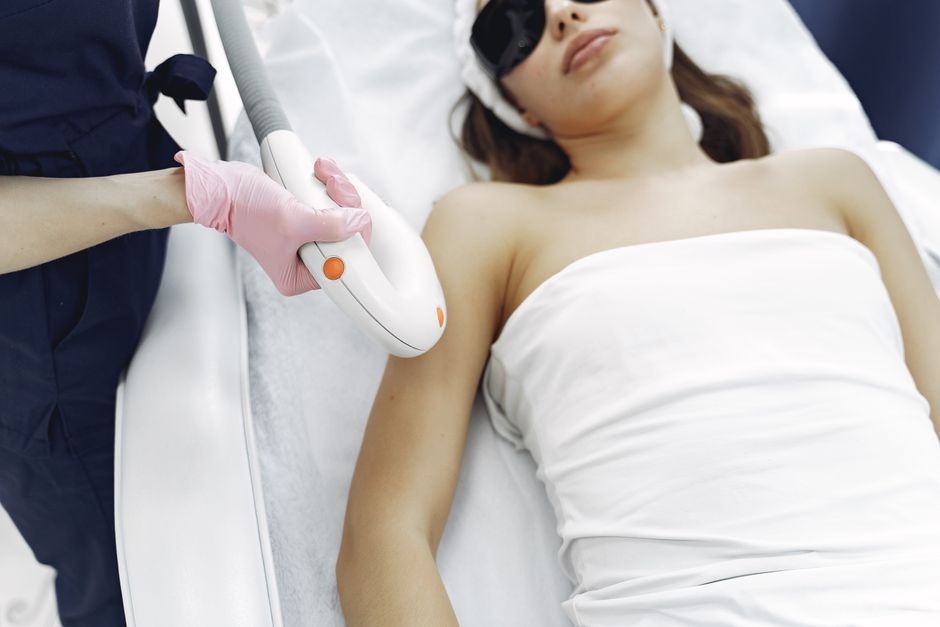
Laser hair removal can sound like an easy solution to years of shaving, waxing, and dealing with unwanted regrowth, but the process works best when expectations are realistic from the beginning. In Brentwood, TN, where the population was estimated at 45,313 in 2025, cosmetic and personal-care choices are part of a broader market serving a growing and highly active community. Before booking a treatment, it helps to understand how laser technology works, why several sessions are usually needed, and how skin tone, hair color, sun exposure, and provider experience can all affect the final result.
Start With Whether the Treatment Fits Your Skin and Hair
Laser hair removal works by directing concentrated light toward pigment in the hair follicle. The absorbed energy generates heat that damages the follicle and reduces its ability to produce new hair.
Because the laser relies on pigment, hair and skin characteristics matter. Darker, coarser hair has traditionally responded particularly well because it provides a clearer target, while very light, gray, or white hair may be more difficult to treat. Newer devices have expanded the range of skin tones that can be treated safely, but device selection and settings still require careful judgment.
If you are considering laser hair removal in Brentwood, TN, the consultation should include a discussion of your skin tone, hair type, treatment area, medical history, and what level of reduction is realistically achievable.
The right starting point is not a package price. It is whether the treatment approach fits you.
Multiple Sessions Are Part of the Process
Laser hair removal is not usually a one-appointment procedure.
Hair grows in cycles, and the laser is most effective when follicles are in the active growth phase. Because not every follicle reaches that stage at the same time, several treatments are generally needed to target different groups of hair over time.
The exact number of sessions depends on the area being treated, hair density, hormonal influences, skin type, and individual response. Some areas may show noticeable reduction quickly, while others take longer.
Progress also tends to happen gradually. Hair may begin growing more slowly, appear finer, or return less densely before larger areas show significant reduction.
Maintenance sessions may still be necessary later, particularly in areas where hormones influence hair growth.
Thinking of the process as long-term reduction rather than instant permanent removal usually creates much more realistic expectations.
Preparation Can Affect Both Safety and Results
What you do before an appointment matters.
Waxing or plucking is generally avoided before treatment because those methods remove the follicle that the laser needs to target. Shaving is typically different because it removes hair above the skin while leaving the follicle in place.
Sun exposure also deserves attention. Tanned or recently sun-exposed skin can respond differently to laser energy and may carry a greater risk of unwanted pigmentation changes or irritation.
Useful hair-removal preparation habits include limiting sun exposure and avoiding products that may increase skin sensitivity before treatment.
Your provider should also know about medications, topical products, or health conditions that may affect how your skin reacts.
Preparation is not complicated, but skipping it can make an otherwise straightforward treatment less predictable.
Skin Tone Should Influence the Technology Used
Laser treatments are not one-size-fits-all.
Different laser wavelengths interact with pigment differently, which means the safest and most effective device can vary according to skin tone and hair characteristics.
This is particularly important for people with more melanin in their skin because poorly selected settings can increase the risk of burns or pigment changes. A knowledgeable provider should understand how to adjust the technology rather than using the same approach for every client.
Ask what device will be used and why it is appropriate for you.
A consultation should include more than looking at the treatment area for a few seconds. Skin type, recent tanning, sensitivity, medication use, and previous reactions should all be part of the discussion.
The safest treatment plan is usually the one built around individual characteristics instead of a standard package.
Side Effects Are Usually Mild, but They Still Matter
Temporary redness, warmth, and mild swelling around the follicles can happen after laser hair removal.
Those reactions often settle relatively quickly, but that does not mean aftercare should be ignored. Skin may be more sensitive after treatment, particularly to heat, friction, or sun exposure.
A thoughtful laser-treatment aftercare routine generally focuses on keeping the skin calm, avoiding unnecessary irritation, and protecting treated areas from strong sun exposure while they recover.
More significant reactions, such as blistering or persistent pigment changes, are less common but deserve professional attention.
This is also why unusually cheap treatment can be a poor bargain. Equipment quality, proper settings, provider training, and careful assessment all matter when energy-based devices are being used on the skin.
Results Should Be Measured by Reduction, Not Perfection
Marketing can sometimes create the impression that laser hair removal eliminates every unwanted hair forever.
A more realistic goal is significant, long-lasting reduction.
Some follicles may stop producing visible hair, while others may produce finer or slower regrowth. Hormonal changes can also influence future hair growth, particularly in certain treatment areas.
That does not make the treatment unsuccessful.
For many people, the practical value comes from shaving less often, experiencing fewer ingrown hairs, and spending less time dealing with repetitive hair removal.
Results should be judged over the full treatment series rather than after the first session.
If a provider guarantees complete and permanent removal for everyone, that promise should raise questions. Individual responses vary too much for absolute outcomes to be realistic.
Cost Makes More Sense When You Look Long Term
Laser hair removal can feel expensive when compared with the price of a razor or one waxing appointment.
The comparison becomes different over several years.
Shaving products, waxing appointments, depilatory products, and treatments for irritation or ingrown hairs all create recurring expenses. There is also the time spent maintaining those routines.
Laser treatment involves a larger upfront commitment, but some people value the reduction in ongoing maintenance enough to justify the cost.
Compare packages carefully and find out exactly what is included. Ask whether maintenance sessions are priced separately and whether missed appointments or schedule changes affect the package.
Price matters, but it should be considered alongside safety, technology, experience, and realistic outcomes.
The cheapest session is not necessarily the best value if it produces inconsistent results or requires unnecessary additional treatments.
Choose the Provider More Carefully Than the Promotion
Before-and-after photographs and promotional pricing can be useful, but they should not be the main basis for choosing where to receive treatment.
Ask who performs the procedure and what training they have. Find out which devices are used and whether the consultation includes a proper review of medical history, skin tone, medications, and previous reactions.
The provider should also be willing to discuss risks.
Good consultations do not feel like sales presentations. They explain what the treatment can reasonably accomplish, which side effects are possible, and what you need to do before and after each appointment.
Pay attention to how your questions are handled.
Clear, specific answers usually inspire more confidence than promises that everything will be quick, painless, and perfect.
Go In With Realistic Expectations
Laser hair removal can be a practical option for people who want to reduce unwanted hair and spend less time on repetitive grooming.
Its success, however, depends on more than simply showing up for appointments.
Skin tone, hair color, treatment area, hormonal factors, preparation, device choice, and provider skill all influence the outcome. Results develop gradually, and occasional maintenance may remain part of the process.
The best approach is to treat the consultation as an important part of the treatment rather than a formality.
Ask questions, understand what the provider expects from you, and make sure the proposed plan fits your skin and hair characteristics.
Going in informed will not make every session effortless, but it can help you make a safer choice and judge the results by realistic standards rather than marketing promises.