When a structural weld fails on a piece of field equipment, a gate frame, or a trailer hitch, the instinct is to find the fastest available fix. For most operations, that means calling a mobile welder — someone who brings the equipment to the site rather than requiring you to transport the damaged component to a shop. It sounds straightforward, but the decision of who you call matters considerably more than most people realize before they’ve had a bad experience.
Mobile welding has grown as a service category because it solves a genuine logistical problem. Equipment breaks down in places that are difficult to reach. Transporting heavy or immobile components adds downtime and cost. Getting a qualified welder on-site preserves continuity. But not every mobile welding provider operates at the same standard, and the conditions of field work introduce variables that shop-based welding does not face in the same way. Understanding what separates a reliable mobile welding provider from an unreliable one takes more than checking reviews or asking about rates.
What Mobile Welding Actually Involves
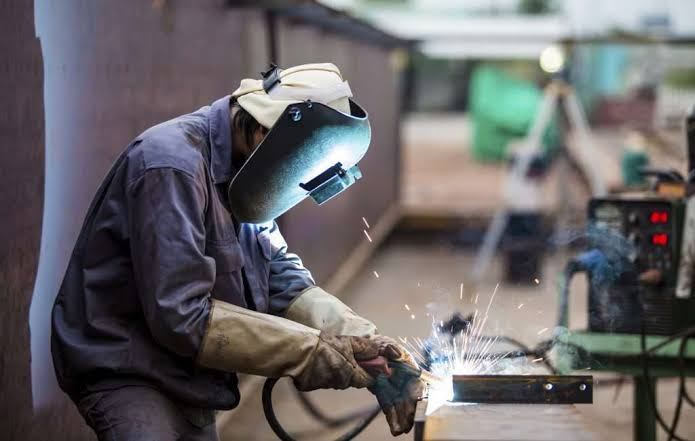
Mobile welding is the practice of performing welding services at a client’s location using self-contained, vehicle-mounted equipment. Unlike shop welding, which takes place in a controlled environment with fixed infrastructure, mobile welding requires the technician to manage environmental variables, power sources, material positioning, and safety conditions simultaneously — all without the support systems a fixed facility provides. This distinction matters when evaluating a provider’s capacity to deliver consistent, structurally sound work in the field.
A well-organized Mobile Welding guide will typically outline the range of scenarios in which mobile service is appropriate versus situations that may genuinely require shop access. Not every repair is suited to the field. Welds on high-pressure systems, components requiring post-weld heat treatment, or materials requiring clean-room-adjacent conditions may not be appropriate candidates for a mobile repair, regardless of how capable the technician is. A provider who can articulate this distinction demonstrates a level of professional judgment that speaks well of their overall standards.
The Range of Applications Where Mobile Welding Is Appropriate
Mobile welding is regularly applied across a wide range of industries and site types. The common thread across these applications is that the damaged component is either too large, too heavy, or too integrated into an existing system to be removed and transported without significant disruption.
• Agricultural equipment repair, including frame cracks, loader attachments, and implement connections that are used seasonally and cannot wait for scheduled maintenance windows
• Trailer repair and modification, covering structural frames, coupler replacements, and load-bearing cross members that are impractical to transport without the trailer itself being functional
• Gate and fence fabrication or repair on commercial and rural properties where the installation is permanent and fixed to a foundation
• Industrial plant maintenance on machinery that is bolted down or integrated into a production line where removal is not operationally viable
• Fleet and heavy equipment repair for vehicles and machines that are non-operational and cannot be driven or towed safely to a shop
The suitability of mobile welding in each of these cases comes back to the same principle: the repair must be technically achievable in an uncontrolled environment, and the resulting weld must meet the same structural expectations as one performed under better conditions. That standard should drive every conversation you have with a prospective provider.
How to Evaluate a Mobile Welder Before the Job Starts
The evaluation of a mobile welding provider should happen before any work begins, and it should go beyond availability and price. The conditions of field welding introduce risks that don’t exist in a shop — wind, moisture, uneven surfaces, inadequate access to the joint, and the difficulty of maintaining proper positioning all affect weld quality. A qualified provider will acknowledge these conditions openly and describe how they manage them, rather than treating them as non-issues.
Certifications and Relevant Experience
Welding certifications are not a guarantee of quality, but they are a meaningful indicator of formal training and adherence to recognized standards. Organizations such as the American Welding Society maintain certification programs that test a welder’s ability to produce consistent, structurally sound welds across different processes and positions. Asking whether a mobile welder holds current certifications — and which processes they’re certified in — gives you a starting point for assessing their technical baseline.
Experience specific to mobile welding is equally important. A welder who has spent their career in a shop environment has not necessarily developed the problem-solving habits that field work requires. The ability to assess a repair site, adapt to material condition, and make sound decisions without easy access to tools and resources is developed through repeated field exposure, not through certification alone. When speaking to a provider, ask directly about the types of jobs they handle regularly and whether they have worked on materials or systems similar to yours.
Equipment Quality and Self-Sufficiency
A mobile welding operation is only as capable as the equipment it carries. Providers who operate well-maintained, fully equipped service vehicles can handle a wider range of jobs without relying on the client’s infrastructure. This matters most in industrial or rural settings where power access, lighting, and material handling equipment may be limited or unavailable.
When speaking to a provider, it is reasonable to ask what processes their equipment supports, whether they carry backup power capacity, and how they handle jobs that require grinding, cutting, or material preparation in addition to welding. A provider who arrives unprepared for the full scope of the repair will either produce substandard work or leave the job incomplete, both of which create downstream problems for your operation.
Site Assessment and Communication Before Work Begins
A professional mobile welder should ask questions before arriving on-site. The material type, the nature of the damage, the location of the repair, and any safety considerations associated with the surrounding environment all affect how the job should be approached. If a provider quotes a job without asking these questions, that absence of inquiry is itself a signal worth noticing.
Effective communication prior to the visit also reduces the likelihood of scope creep, unexpected costs, or a return visit because the repair wasn’t completed correctly the first time. Downtime associated with a failed or incomplete weld is often more costly than the weld itself. Clear expectations on both sides before work begins is the most reliable way to prevent that outcome.
Understanding the Risk Profile of Field Welding
Field welding introduces variables that affect both the quality of the weld and the safety of everyone on-site. Wind affects shielding gas coverage, which is critical in certain welding processes. Moisture on or near the base material can introduce porosity into the weld. Inadequate access to the joint forces the welder into awkward positions that compromise technique. None of these factors make mobile welding an unsafe or unreliable service — but they do mean that the welder must actively manage them rather than assuming they won’t matter.
Why Preparation on the Client Side Also Matters
Clients can meaningfully improve the conditions for a mobile weld repair by preparing the site before the welder arrives. This includes clearing the area around the repair, ensuring the damaged component is stable and accessible, removing flammable materials from the work zone, and providing documentation about the material if it is something other than common structural steel.
If the damaged component has been painted, coated, or exposed to chemicals, the welder needs to know before they begin. Certain coatings burn off in ways that produce hazardous fumes. Others affect weld adhesion. Providing accurate information about the material’s history is not just logistically useful — it’s a safety matter. A provider who asks about this is doing their job properly. One who doesn’t is taking on risk that they may be passing along to the client.
What a Fair and Realistic Pricing Conversation Looks Like
Mobile welding pricing is not standardized, and it varies based on geography, job complexity, travel distance, material requirements, and the provider’s level of experience. Flat-rate pricing for mobile welding jobs that haven’t been assessed in person is almost always an approximation, and that approximation can be either too high or too low depending on what the provider discovers when they arrive.
Rather than focusing exclusively on the lowest available quote, the more productive conversation is about what the quote includes and what conditions might change it. Does the rate include travel time? What happens if the repair requires additional passes or material prep beyond what was initially scoped? How does the provider handle billing when a job takes longer than estimated because of site conditions they couldn’t have anticipated? Providers who can answer these questions clearly are more likely to deliver a final invoice that reflects what was agreed upon.
Closing Thoughts
Hiring a mobile welder under time pressure — when equipment is down and operations are affected — makes careful evaluation feel like a luxury. But the consequences of a poorly executed weld in the field often create more disruption than the original problem. A crack that returns, a joint that fails under load, or a repair that doesn’t meet safety requirements can cost far more in downtime, liability, and rework than the difference between a more qualified provider and a less expensive one.
The criteria outlined here are not complicated to apply. Ask about certifications and field experience. Ask about equipment and site preparation. Have a direct conversation about scope and pricing before work begins. Pay attention to whether the provider asks questions before offering answers. These are the signals that separate a mobile welding provider who can be counted on from one who simply shows up with a machine and a welding helmet.
Mobile welding done well is a genuinely useful service that solves real operational problems. Getting to a reliable outcome starts with knowing what to ask before you hire anyone.