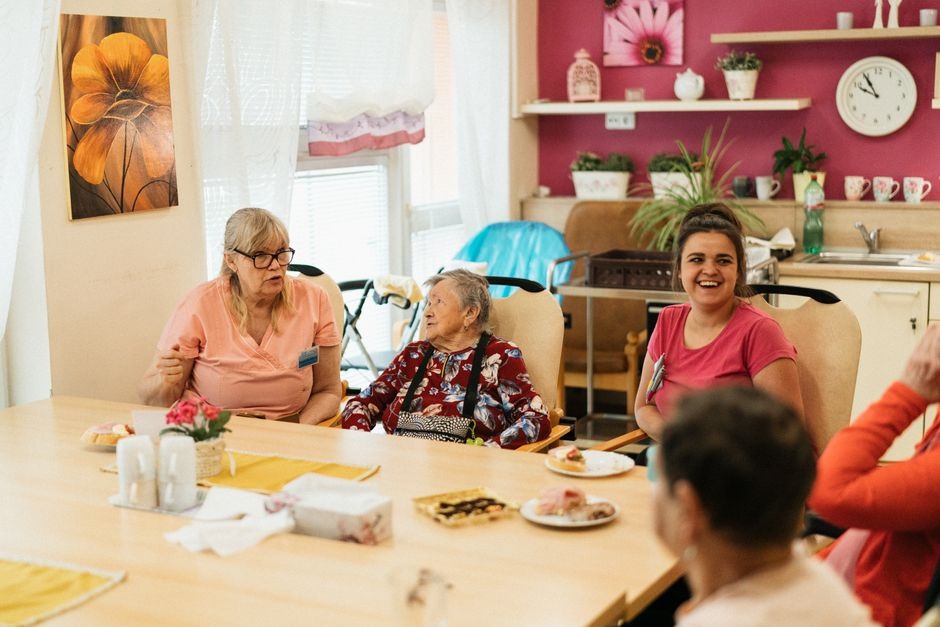
Healthy aging involves much more than medical appointments, medications, and routine health screenings. While these remain important, the environments older adults live in can also influence their physical strength, emotional well-being, independence, and overall quality of life.
Daily routines, opportunities for social interaction, access to nutritious meals, and comfortable living arrangements all contribute to how seniors experience their later years.
For many older adults, the challenge isn’t simply maintaining good health. It’s finding ways to remain active, connected, and confident as their needs change.
Understanding how everyday surroundings influence wellness can help seniors and their families make thoughtful decisions that support both immediate comfort and long-term well-being.
Choose Living Environments That Encourage Healthy Aging
Where seniors live can influence their ability to maintain healthy routines and participate in meaningful activities.
A comfortable environment should provide more than attractive accommodation. It should encourage movement, support independence, and make social interaction convenient.
For families researching the best senior living communities, important considerations include accessible facilities, wellness programs, recreational opportunities, and the availability of additional care when needed.
Some communities combine independent living with assisted living, rehabilitation, and other support services, allowing residents to access different levels of assistance as their circumstances evolve.
However, the most suitable environment depends on individual preferences, health requirements, and financial considerations.
Families should evaluate staffing, accessibility, available services, and opportunities for residents to remain involved in daily decisions.
A supportive living arrangement can help older adults maintain familiar routines while making necessary assistance easier to access.
Make Everyday Movement a Natural Part of Life
Physical activity plays an important role in maintaining mobility, muscle strength, balance, and cardiovascular health.
However, staying active doesn’t necessarily require demanding exercise programs.
Walking, gardening, swimming, stretching, and participating in appropriate fitness classes can all contribute to healthier routines.
For older adults, enjoyable activities are often easier to maintain than exercises that feel like obligations.
A short morning walk or regular movement break can provide opportunities to remain active throughout the day.
Strength and balance exercises are particularly valuable because they help maintain physical function and may reduce fall risk.
Activities should always reflect individual abilities and medical circumstances.
Seniors managing chronic conditions or recovering from injuries may benefit from professional guidance before beginning unfamiliar exercises.
The goal isn’t athletic performance. It’s preserving the physical abilities that support independence and everyday comfort.
Protect Cognitive Health Through Curiosity and Learning
Mental stimulation remains important throughout adulthood.
Learning new skills, engaging in discussions, reading, and participating in creative activities can provide opportunities to challenge the mind.
Older adults might enjoy language classes, music lessons, puzzles, educational lectures, or community discussion groups.
These activities also create opportunities for enjoyment and personal achievement.
Although mentally stimulating activities cannot guarantee prevention of dementia, they can support engagement and contribute to a fulfilling lifestyle.
Variety can make participation more interesting.
Someone who enjoys reading might join a book club, while another person may prefer painting, photography, or learning to use new technology.
Encouraging curiosity helps older adults maintain a sense of purpose beyond familiar responsibilities.
Lifelong learning isn’t simply about remembering information. It offers opportunities to discover new interests and remain connected with the surrounding world.
Recognize Social Connection as a Health Priority
Social relationships are an important part of emotional well-being, yet maintaining them can become more difficult with age.
Retirement, relocation, reduced mobility, and the loss of loved ones may gradually limit opportunities for interaction.
Persistent loneliness and social isolation are associated with poorer physical and mental health outcomes.
Regular contact with family, friends, and community members can help older adults feel supported and involved.
Group activities, volunteering, shared meals, and recreational clubs provide opportunities to build relationships around common interests.
However, meaningful connection doesn’t require a crowded social calendar.
Some seniors prefer smaller gatherings or regular conversations with a few trusted people.
Respecting individual personalities is essential.
The objective is to create accessible opportunities for companionship without making social participation feel compulsory.
Make Nutrition Support Changing Health Needs
Nutritional requirements can change with age, particularly when appetite, activity levels, or medical conditions affect eating habits.
Balanced meals remain important for maintaining energy, muscle health, and overall well-being.
Older adults should generally prioritize varied foods that provide adequate protein, fiber, vitamins, and minerals.
Vegetables, fruits, whole grains, dairy or suitable alternatives, and nutritious protein sources can contribute to a balanced dietary pattern.
Hydration also deserves attention because thirst signals may become less noticeable with age.
Convenient access to drinking water and regular beverages can help support fluid intake.
For seniors experiencing chewing difficulties, swallowing problems, or reduced appetite, individualized nutritional guidance may be necessary.
Meals also provide valuable opportunities for social interaction.
Sharing food with others can make dining more enjoyable while encouraging consistent eating routines.
Design Safer Spaces Without Sacrificing Independence
Home safety becomes increasingly important when changes in balance, vision, or mobility affect everyday activities.
However, creating a safer environment doesn’t mean removing independence or making living spaces feel institutional.
Simple adjustments can reduce common household hazards.
Adequate lighting, clear walking routes, secure handrails, and nonslip bathroom surfaces may help prevent accidents.
Frequently used items should remain within comfortable reach to reduce unnecessary climbing or stretching.
Furniture arrangements should also allow easy movement, particularly for people using mobility aids.
Regular reviews can identify hazards that develop as physical needs change.
Occupational therapists may recommend additional modifications based on individual abilities.
The most effective safety improvements support independence rather than unnecessarily restricting activity.
A thoughtfully arranged environment can help older adults navigate daily routines with greater confidence.
Support Emotional Wellness During Major Life Transitions
Later adulthood can bring significant changes involving retirement, family responsibilities, health, and living arrangements.
Even positive transitions may require emotional adjustment.
Leaving a longtime home or changing established routines can create uncertainty, particularly when decisions happen quickly.
Open conversations help older adults express concerns and participate in choices affecting their lives.
Maintaining familiar hobbies, relationships, and personal traditions can also provide reassurance during periods of change.
Activities such as spending time outdoors, practicing relaxation techniques, and participating in enjoyable social events may support emotional well-being.
However, persistent sadness, anxiety, or withdrawal should not automatically be dismissed as normal aging.
Professional mental health support can be valuable when emotional difficulties interfere with everyday life.
Preserving dignity and personal choice remains essential throughout these transitions.
Build a Wellness Routine That Adapts Over Time
Healthy aging isn’t about following an identical routine indefinitely.
Physical abilities, interests, and support needs may change, making flexibility an important part of long-term wellness.
Regular medical checkups, appropriate preventive care, and medication reviews can help identify concerns that require attention.
Families can also encourage seniors to discuss changing needs before everyday activities become unnecessarily difficult.
Wellness plans should include opportunities for physical activity, nutritious meals, social connection, mental stimulation, and adequate rest.
Most importantly, older adults should remain actively involved in shaping their routines whenever possible.
Supporting independence means recognizing personal preferences rather than assuming everyone needs the same activities or assistance.
Ultimately, senior health depends on more than access to medical care. It also reflects the quality of daily experiences, the comfort of living environments, and opportunities to remain connected with others.
By creating supportive surroundings and adapting routines thoughtfully, older adults can continue enjoying meaningful, engaging lives as their needs evolve.