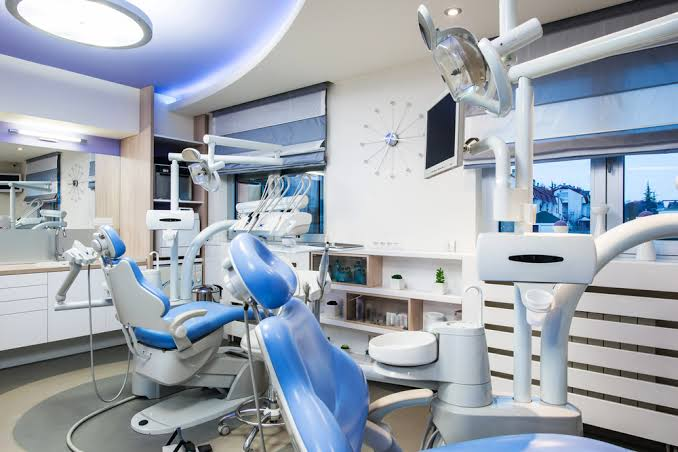
Orthodontics has always been about more than moving teeth. At its heart, it is about helping people achieve healthier bites, better function and greater confidence in their smiles. Yet in Australia, the experience of orthodontic treatment is changing rapidly as digital technology reshapes how clinicians assess, plan and deliver care. What once relied heavily on physical impressions, traditional imaging and manually adjusted appliances is increasingly becoming a precise, digitally guided process.
The result is not simply faster treatment. Technology is changing the relationship between the orthodontist, the patient and the treatment itself.
From Physical Impressions to Digital Precision
One of the most noticeable developments in modern orthodontics is the increasing use of intraoral scanning. Instead of asking patients to bite into impression material, orthodontic practices can use a small digital scanner to create a three-dimensional representation of the teeth and surrounding structures.
For patients, this can make the diagnostic process considerably more comfortable. For orthodontists, digital models can be viewed, measured and analysed with remarkable detail. They can also be stored electronically and integrated with other digital records.
Three-dimensional imaging adds another layer of information. Depending on the clinical circumstances, technologies such as digital X-rays and cone-beam computed tomography can help orthodontists understand tooth position, bone structures and other anatomical considerations. This information can support more informed treatment planning, particularly in complex cases.
Digital technology therefore does not replace clinical expertise. Rather, it gives orthodontists more information with which to apply that expertise.
The Evolution of Braces
Traditional braces have undergone their own technological transformation. Modern systems can be smaller, more refined and designed with greater attention to comfort and appearance than many of the appliances people may remember from previous generations.
At the same time, orthodontic treatment has expanded beyond conventional metal appliances. Ceramic options, clear aligners and other discreet approaches have created more choices for patients who are concerned about the visual impact of treatment.
Clear aligner technology is particularly interesting because it combines digital planning with a series of removable appliances designed to gradually reposition teeth. Sophisticated software can simulate potential tooth movements and help clinicians develop a staged treatment plan.
However, the digital appearance of a projected result should not be confused with a guaranteed outcome. Biological responses vary between individuals, which is why professional assessment, monitoring and adjustments remain essential.
Artificial Intelligence and Smarter Treatment Planning
Artificial intelligence is also beginning to influence dentistry and orthodontics. AI-powered systems can assist with analysing dental images, identifying patterns and organising clinical information. In orthodontic workflows, machine-learning technologies may help clinicians assess tooth positions and treatment progress.
The important point is that AI is best understood as a supporting technology rather than an autonomous orthodontist.
Human judgement remains critical. A computer can identify patterns within data, but treatment decisions must consider factors such as growth, facial structure, periodontal health, bite function, patient expectations and overall oral health.
Australia’s geographically diverse population also creates an interesting opportunity for digital dentistry. Telehealth and remote monitoring technologies may make certain aspects of orthodontic follow-up more convenient, particularly for people living far from major metropolitan centres. Nevertheless, remote tools complement rather than replace appropriate face-to-face clinical care.
A More Personal Approach to Smile Design
Perhaps the most significant change is philosophical. Technology is helping orthodontics become increasingly personalised.
A modern treatment plan is not necessarily about achieving an identical concept of a perfect smile for every patient. Facial proportions, age, lifestyle, occupation and individual preferences can all influence how someone views their smile.
This reflects a broader cultural shift in dentistry: the growing connection between oral health, beauty, and personal style.
A person’s smile is part of their identity, but aesthetics should not overshadow health. Orthodontic treatment still needs to address functional concerns such as malocclusion, tooth alignment and bite relationships. The most meaningful technological advances are those that allow these health objectives to coexist with a patient’s aesthetic expectations.
What Does the Future Hold?
The future of Australian orthodontics is likely to become increasingly digital, connected and personalised. Three-dimensional treatment planning, digital monitoring, advanced imaging, AI-assisted analysis and customised appliances are likely to continue developing.
Patients may also become more involved in their treatment decisions. Digital simulations and visual treatment plans can make complicated orthodontic concepts easier to understand, giving patients a clearer picture of what their proposed treatment involves.
Yet technology should never become the centre of orthodontic care simply because it is impressive. The best use of innovation is quieter: better information, clearer communication, greater precision and treatment that is thoughtfully adapted to the individual.
The future may therefore not belong to technology alone. It belongs to the partnership between technology and clinical experience.
For patients considering braces or another orthodontic option, that distinction matters. The most advanced equipment cannot replace a careful diagnosis or a personalised treatment plan. Technology can illuminate the possibilities, but skilled orthodontic care determines how those possibilities become part of a healthier, more confident smile.
In Australia, the future of oral care is already taking shape—not as a replacement for traditional dentistry, but as a more intelligent extension of it.