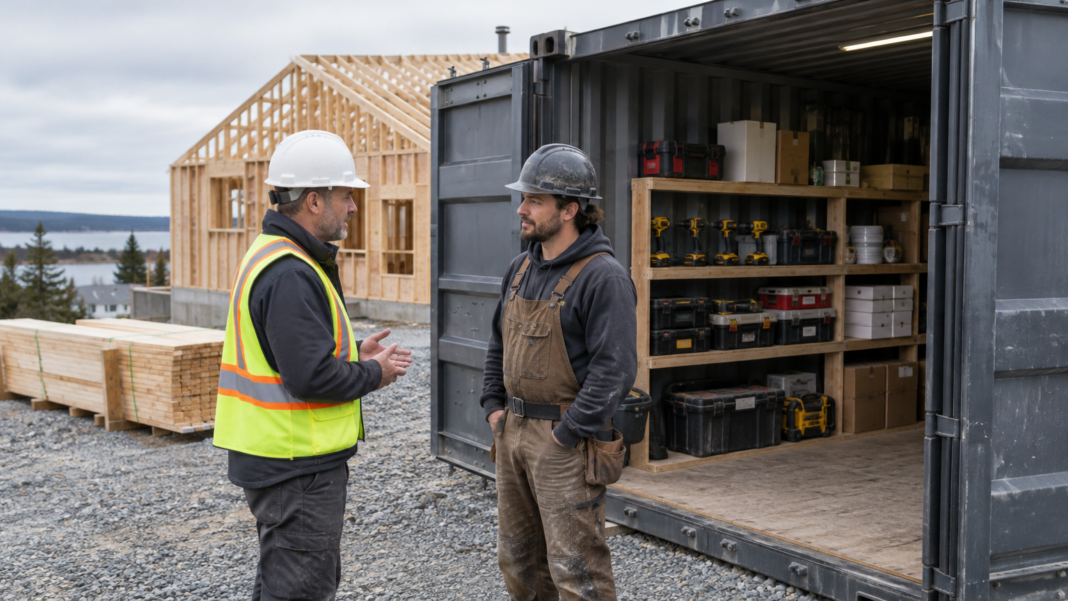
For construction projects with temporary storage needs, renting offers an alternative to container ownership while helping contractors manage expenses and keep essential equipment and materials accessible on-site.
Storage decisions are easy to overlook when construction teams are focused on budgets, schedules, and material deliveries. Yet contractors need somewhere to keep tools, equipment, and supplies between workdays.
Purchasing a shipping container provides dedicated storage, but the initial investment may be difficult to justify for a temporary project. Renting offers another approach, allowing construction managers to secure storage space for a defined period without purchasing an asset they may not need afterward.
Understanding the financial and operational differences can help contractors make informed storage decisions.
Compare the Full Cost of Renting With the Cost of Ownership
Controlling project expenses involves more than comparing purchase prices with monthly rental rates. Construction managers must consider how long storage will be needed, what equipment requires protection, and whether the container will remain useful after the project ends.
Purchasing a container requires an upfront investment. Contractors also assume responsibility for its long-term storage, maintenance, transportation, and eventual resale or disposal. These expenses can make ownership less appealing when storage requirements are temporary.
By comparison, a shipping container rental allows contractors to arrange storage around a project's expected duration. Rental costs generally depend on container size, rental period, condition, and delivery requirements.
Consider a contractor managing a four-month commercial renovation. Renting could eliminate the need to purchase a container that may sit unused after completion. However, a construction company operating multiple projects year-round might find ownership more economical over time.
The practical approach is to calculate the total cost of each option. Include delivery, pickup, rental extensions, and any applicable fees alongside the purchase price and potential resale value.
This comparison helps determine whether renting supports the project's budget rather than assuming it will always cost less.
Protect Tools and Materials From Avoidable Losses
Construction equipment represents a financial investment, and replacing stolen or damaged tools can introduce unexpected project expenses. Materials left exposed to weather or unauthorized access may also require replacement before work can continue.
A lockable shipping container provides a designated storage area for tools, supplies, and compatible equipment when they are not in use. Keeping these items together can make access easier to manage while reducing unnecessary exposure.
However, a container should be one component of a broader security strategy.
The Associated General Contractors of America discusses layered construction-site security measures, including access controls, theft deterrence, and appropriate insurance coverage.
Contractors should combine secure container locks with controlled key access, equipment inventories, suitable lighting, and site security procedures.
Weather protection also requires consideration. Although enclosed containers can shield materials from direct rainfall, condensation and temperature changes may affect sensitive equipment or supplies. Proper ventilation and moisture management may be necessary.
Reviewing these requirements before selecting a container helps contractors protect valuable materials without assuming every storage unit provides identical conditions.
Keep Construction Sites Organized and Materials Accessible
Disorganized storage can create unnecessary handling and complicate everyday construction activities. When workers cannot quickly locate materials or equipment, routine tasks may take longer than planned.
A designated on-site storage container can help establish a central location for frequently used supplies, hand tools, and smaller equipment.
For example, a general contractor coordinating several trades could organize shelving by material type or work phase. Tools required daily would remain near the entrance, while supplies needed during later construction stages could occupy designated sections.
This arrangement can reduce unnecessary searching and help supervisors monitor available inventory.
The Center for Construction Research and Training (CPWR) recommends planning how materials will be delivered, stored, moved, and accessed before construction begins. Proper planning can help reduce downtime, material damage, and manual-handling risks.
Storage organizations must also account for worker safety.
Under OSHA's construction material-storage requirements, materials must be secured against falling or collapsing, and aisles and passageways must remain clear.
Applying these principles helps contractors maintain accessible storage without creating additional jobsite hazards.
Match Container Size and Rental Terms to Project Requirements
Construction projects rarely follow identical schedules or require the same amount of storage space. A small renovation may need room for hand tools and boxed materials, while a larger project may require substantial space for equipment and supplies.
Choosing an appropriately sized container helps contractors avoid paying for unnecessary capacity or working with insufficient storage.
Common rental options include 20-foot and 40-foot containers, although available sizes vary by provider. Before selecting a unit, project managers should estimate the volume of materials being stored and allow room for safe access and movement.
Delivery requirements deserve equal attention.
The intended placement area should provide suitable ground conditions and sufficient access for delivery vehicles. Contractors should confirm clearance requirements, potential obstructions, and any applicable local restrictions before scheduling installation.
Rental agreements should also reflect realistic project timelines. Construction schedules can change because of weather, delayed materials, or adjustments to the scope of work.
For instance, a contractor anticipating a six-month project should understand what happens if storage is needed for an additional month. Extension rates, minimum rental periods, and pickup arrangements can affect the final expense.
Confirming these details before signing an agreement helps avoid unexpected charges and makes storage arrangements easier to coordinate with construction schedules.
Make Storage Decisions Around Project Needs
Shipping container rentals can provide contractors with practical on-site storage without the upfront commitment of purchasing a container. Their financial value depends on project duration, storage requirements, delivery costs, and ongoing operating needs.
Before deciding, contractors should compare rental and ownership expenses, evaluate site conditions, and determine how equipment and materials will be organized and protected.
Matching the storage arrangement to the project's actual requirements supports more predictable spending and efficient operations.
Additional Resources
For further information about container sizes, rental durations, and pricing considerations, consult this Canadian sea can rental guide.