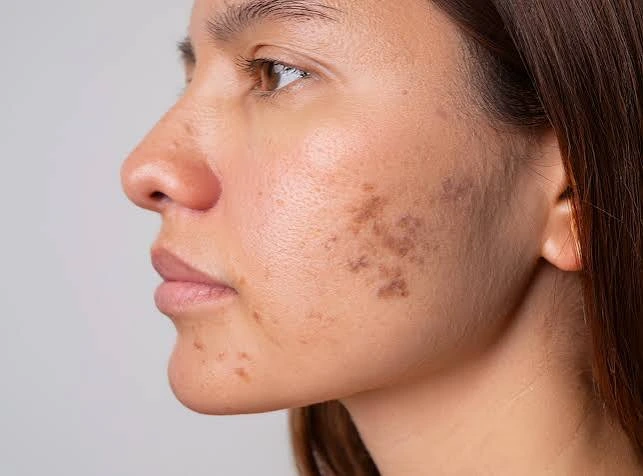
Changes in skin tone are common, but persistent patches of pigmentation can affect confidence and make people uncertain about which skincare products or treatments to use. Melasma is one such condition. It typically appears as brown or grey-brown patches, often on the cheeks, forehead, upper lip, or other areas exposed to sunlight. Although it is not usually medically dangerous, it can be persistent and may require a carefully planned approach.
People searching for a skin clinic Dubai should look for a service that begins with understanding the cause of pigmentation rather than immediately recommending a cosmetic procedure. A professional assessment can help distinguish melasma from other forms of discolouration and guide a suitable treatment plan.
What Is Melasma?
Melasma is a pigmentation condition in which areas of the skin develop darker patches due to increased melanin production. It is more commonly seen on the face, although other sun-exposed areas can sometimes be affected.
Several factors may contribute to melasma. Sunlight and visible light can worsen pigmentation in susceptible individuals. Hormonal influences, including pregnancy and certain hormonal medications, may also play a role. Genetics can influence a person’s likelihood of developing the condition.
Melasma can be challenging because it may improve with treatment and later become more noticeable again. This tendency to recur means that long-term management and sun protection are important parts of care.
Why Accurate Diagnosis Comes First
Not every dark patch is melasma. Post-inflammatory hyperpigmentation can follow acne, irritation, burns, or other skin inflammation. Freckles, sun spots, and certain skin conditions may also cause uneven colour.
The treatment approach depends on the diagnosis. A product or procedure that is appropriate for one pigmentation concern may not be suitable for another. A dermatologist may examine the distribution, colour, and pattern of the patches and ask about medical history, sun exposure, pregnancy, medications, and skincare habits.
Choosing a skin clinic Dubai with qualified dermatology professionals can help ensure that the condition is assessed before treatment begins. Patients should feel comfortable asking what the clinician believes is causing the pigmentation and why a particular option is being recommended.
What Does Melasma Treatment Involve?
Melasma Treatment is not a single procedure that works in the same way for everyone. Management may involve sun protection, topical skincare, prescription treatments, and selected in-clinic procedures. The right combination depends on the skin type, severity, medical history, and previous response to treatment.
Topical treatments may be used to reduce excess pigmentation or regulate the processes involved in melanin production. Some ingredients can irritate sensitive skin, so they should be used under appropriate guidance. Unsupervised use of strong bleaching products or unverified creams can cause irritation and may make pigmentation worse.
In-clinic options may be considered when appropriate. These can include selected chemical peels or laser-based approaches, but not every procedure is suitable for every person with melasma. Certain energy-based treatments can aggravate pigmentation if selected or performed incorrectly, particularly in skin types prone to post-inflammatory darkening.
The goal should be controlled improvement rather than an unrealistic promise of permanent removal.
The Importance of Sun Protection
Sun exposure is one of the most important factors to manage when addressing melasma. Ultraviolet radiation can stimulate pigmentation, while visible light may also contribute to worsening in some individuals.
Daily broad-spectrum sunscreen is therefore an important part of a management plan. A dermatologist may recommend a tinted sunscreen containing iron oxides for additional protection against visible light, depending on the patient’s needs. Sunscreen should be applied as directed and reapplied when appropriate, particularly during outdoor activities.
Other helpful measures include wearing a wide-brimmed hat, seeking shade, and avoiding unnecessary prolonged exposure during intense sunlight. These habits do not replace treatment, but they can help reduce common triggers.
Building a Gentle Skincare Routine
People with melasma may be tempted to use multiple brightening products at once. However, excessive exfoliation, harsh cleansers, and irritating active ingredients can inflame the skin and potentially worsen pigmentation.
A practical routine usually focuses on gentle cleansing, moisturising, and consistent sun protection. Additional products should be introduced gradually and selected according to professional advice. If a product causes persistent burning, redness, or peeling, patients should stop using it and seek guidance.
It is also important to understand that skincare takes time. Pigmentation may respond gradually, and visible improvement can vary. Regular follow-up allows the clinician to assess progress and adjust the plan if needed.
What to Expect from an In-Clinic Consultation
A useful consultation should cover the history of the pigmentation, previous treatments, current skincare, medical conditions, and expectations. The clinician may discuss the likely diagnosis, treatment options, potential risks, and the time needed to assess progress.
Patients should ask whether a proposed procedure is appropriate for melasma and their skin tone. They should also understand the possibility of temporary redness, irritation, or worsening pigmentation. If a treatment requires downtime or special aftercare, those details should be explained before the appointment is booked.
A responsible clinic will not guarantee a particular result. Melasma can be recurrent, and outcomes depend on individual factors and ongoing care.
Why Follow-Up Matters
Pigmentation management is often a continuing process. The clinician may need to review the skin after a course of topical treatment or an in-clinic procedure. Follow-up helps identify irritation, evaluate improvement, and decide whether the plan should be changed.
Patients should avoid comparing their progress with another person’s experience. Skin tone, triggers, condition severity, and treatment response differ. Photographs taken under consistent lighting can sometimes help track changes more objectively.
Choosing a Clinic in Dubai
When comparing clinics, consider the qualifications of the dermatologist, the assessment process, hygiene standards, treatment explanations, and availability of follow-up care. Ask who will perform procedures and how the clinic selects technology for different skin types.
Cutis International lists dermatology and skincare services that include melasma and pigmentation care. Its published skin services describe assessment and treatment selection based on the type and extent of pigmentation. Patients can discuss their individual concerns with the clinical team before choosing a procedure.
Conclusion
Melasma requires a thoughtful approach because it can be influenced by sunlight, hormones, genetics, and skin irritation. Accurate diagnosis, suitable treatment, gentle skincare, and consistent sun protection all play important roles in managing the condition.
For individuals considering Melasma Treatment and looking for a professional skin clinic Dubai, Cutis International offers dermatology and aesthetic skin services. A consultation is the right starting point for understanding the cause of pigmentation, exploring appropriate options, and setting realistic expectations for care.