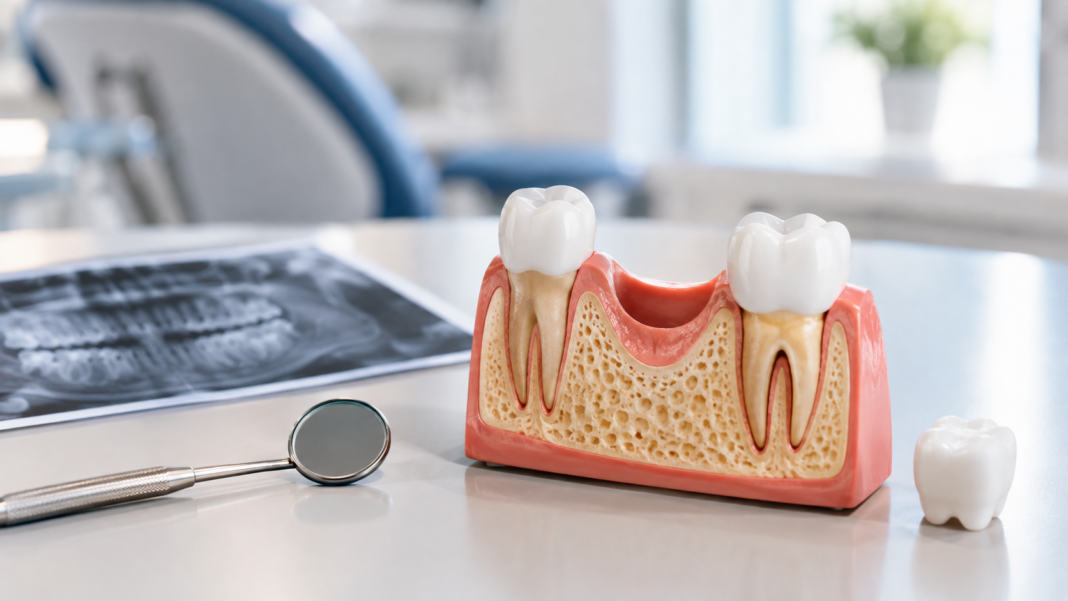
Losing a tooth can affect much more than the appearance of your smile. While the gap left behind may seem like the most noticeable change, something less visible can happen beneath your gums. Your jawbone, which once supported the missing tooth, may gradually begin to lose its density and volume. This process can affect your oral health, facial appearance, and the stability of your remaining teeth.
Understanding what happens to your jawbone after tooth loss is an important step toward protecting your long-term dental health. Whether you have lost a tooth because of decay, gum disease, an accident, or an extraction, knowing your treatment options can help you make informed decisions about replacing it.
Visiting a dentist in Westfield NJ can help you understand the condition of your jawbone and determine which treatment options may be appropriate for your needs. With early evaluation and proper care, you can take steps to protect your remaining teeth, restore your smile, and maintain better oral health.
What Is the Connection Between Teeth and Your Jawbone?
Your teeth and jawbone work together to support everyday activities such as chewing, speaking, and maintaining your facial structure. Although teeth are visible above the gums, each natural tooth has roots that extend into the jawbone. These roots help anchor the teeth in place and play an important role in maintaining the surrounding bone.
Every time you chew or bite, pressure travels through your teeth and their roots into the jawbone. This stimulation helps your body maintain a healthy balance between the natural processes that break down old bone tissue and those that create new bone.
When you lose a tooth, the root is no longer present to provide stimulation to the surrounding bone. As a result, the body begins to remodel the area. Over time, the bone that once supported the tooth may become thinner, shorter, or less dense.
This process is known as jawbone resorption. It is a natural response to tooth loss, but the amount of bone lost can vary from person to person.
The longer a missing tooth remains unreplaced, the more opportunity there may be for changes to occur in the affected area. However, bone loss does not happen at the same rate for everyone. Your oral health, the reason for the tooth loss, and the condition of your jawbone can all influence the process.
What Happens to Your Jawbone After Tooth Loss?
Jawbone changes can begin relatively soon after a tooth is removed. Although you may not notice these changes immediately, the area beneath your gums is already adapting to the absence of the tooth.
1. The Jawbone Begins to Lose Stimulation
When a natural tooth is present, its root transfers chewing forces to the surrounding bone. After tooth loss, this stimulation disappears from the area where the root once sat.
Without the same level of stimulation, the body gradually adjusts the amount of bone it maintains in that location. Bone tissue is continually renewed, and when the balance shifts toward bone breakdown rather than bone formation, the jawbone begins to lose volume.
This change is particularly important because the jawbone depends on regular stimulation to maintain its structure. A missing tooth does not automatically cause severe bone loss, but it can create the conditions for gradual deterioration.
2. The Bone Around the Empty Socket Starts to Shrink
After a tooth is extracted, the empty socket begins a natural healing process. A blood clot forms, followed by the development of new tissue that gradually fills the space. The surrounding bone also undergoes remodeling as the extraction site heals.
Although the socket can heal successfully, the bone does not necessarily return to its original shape or volume. The ridge of bone that previously supported the tooth may become narrower and shorter.
These changes are often most noticeable during the first several months after extraction, although remodeling can continue for much longer.
The extent of bone loss depends on several factors, including the location of the missing tooth, the condition of the surrounding tissues, and whether an appropriate tooth replacement is placed.
3. The Jawbone May Become Less Dense
Bone density refers to how much mineral content is present within a given amount of bone. When a tooth is missing, the surrounding jawbone may gradually lose some of its density as the body adapts to the absence of the tooth root.
Reduced bone density can become an important consideration if you are planning to replace the missing tooth with a dental implant. Implants need sufficient healthy bone to provide stable support.
If too much bone has been lost, additional treatment may be necessary before an implant can be placed.
Also Read: Essential Benefits of Urine Drug Testing Kits for Australian Workplaces
4. The Shape of Your Jaw May Change
The jawbone helps support the gums and the lower portion of your face. When bone volume decreases, the surrounding tissues may lose some of their underlying support.
If you have lost several teeth, particularly over a long period, changes in the jawbone may contribute to a sunken appearance around the mouth. Your lips and cheeks may appear less supported, and your facial profile may gradually change.
These changes are not inevitable for everyone who loses a tooth. They are generally more noticeable when multiple teeth are missing or when significant bone loss has occurred.
Replacing missing teeth can help restore facial support and improve the appearance of your smile, depending on the treatment selected and the condition of your jawbone.
What Causes Jawbone Loss After Tooth Loss?
The absence of a tooth root is a major reason for bone remodeling, but other factors can contribute to the amount of bone lost.
Gum Disease
Gum disease is a common cause of adult tooth loss. In its advanced stages, periodontal disease can damage the tissues and bone that support your teeth.
If a tooth is lost because of severe gum disease, the surrounding jawbone may already have experienced some deterioration before the tooth is removed. This can make preserving the remaining bone especially important.
Treating active gum disease and maintaining healthy gums are essential steps before considering many tooth replacement options.
Tooth Decay and Infection
Severe tooth decay can damage the structures of a tooth and may eventually lead to extraction. In some cases, an infection around the tooth’s root can also affect the surrounding bone.
Removing the affected tooth may be necessary to protect your oral health. However, the condition of the bone after extraction will depend partly on the extent of the infection and the healing process.
Dental Trauma
An accident, sports injury, or other impact can cause a tooth to become loose, fractured, or completely dislodged. Depending on the severity of the injury, the surrounding bone may also be damaged.
A dental examination can help determine whether the tooth can be saved or whether replacement is necessary.
Multiple Missing Teeth
When several teeth are missing, a larger area of the jawbone may no longer receive stimulation from natural tooth roots. This can lead to more extensive changes in the shape and volume of the jawbone.
Replacing missing teeth can help restore chewing function and, when implants are suitable, provide stimulation to the bone around the implant sites.
How Does Jawbone Loss Affect Your Oral Health?
The effects of tooth loss can extend beyond the empty space in your smile. As the jawbone changes, you may experience several problems that affect your ability to eat, speak, and maintain healthy teeth.
Shifting of Nearby Teeth
Your teeth help maintain one another’s positions within the dental arch. When a tooth is lost, neighboring teeth may gradually drift or tilt into the empty space.
This movement can create gaps, alter your bite, and make certain areas more difficult to clean. Food may become trapped between teeth, increasing the risk of plaque buildup and gum problems.
Changes in Your Bite
A missing tooth can change how your upper and lower teeth come together. When multiple teeth are missing, the distribution of biting forces may become less balanced.
This can place additional pressure on the remaining teeth and may contribute to discomfort or uneven tooth wear. Replacing missing teeth can help restore a more functional bite.
Difficulty Chewing
Depending on which tooth is missing, you may find it harder to chew certain foods. Losing a molar, for example, can significantly affect your ability to grind food effectively.
Some people begin favoring one side of their mouth when eating. Over time, this may affect chewing comfort and the way pressure is distributed across the remaining teeth.
Changes in Speech
Teeth help the tongue and lips form certain sounds. Missing teeth, especially those toward the front of the mouth, may affect pronunciation or create difficulty producing some speech sounds.
A properly designed tooth replacement can help improve speech, although the adjustment period varies depending on the type of restoration.
Changes in Facial Appearance
Significant jawbone loss can reduce the support provided to the lips and cheeks. This may affect facial contours, particularly when several teeth have been missing for an extended period.
Restoring missing teeth can improve smile appearance and help provide support to the surrounding tissues. The cosmetic results depend on the amount of bone remaining and the type of restoration used.
Can Jawbone Loss Be Prevented After Tooth Loss?
Although some bone remodeling is a natural part of losing a tooth, appropriate dental treatment may help reduce further complications and preserve the available bone.
The most suitable approach depends on your oral health, the location of the missing tooth, and whether you are a candidate for a particular restoration.
What’s new with: Restoring Balance Over Time: A Thoughtful Approach to Facial Rejuvenation
Dental Implants
Dental implants are one option for replacing missing teeth while helping maintain jawbone stimulation. An implant consists of a small post, usually made of titanium, that is placed in the jawbone to act as an artificial tooth root.
As the surrounding bone heals, it bonds with the implant through a process called osseointegration. Once the implant has integrated successfully, it can support a dental crown, bridge, or denture.
Because implants transfer chewing forces to the jawbone, they can help reduce the bone loss associated with an absent natural tooth root. However, implants do not guarantee that all bone changes will stop, and they require adequate bone, healthy gums, and ongoing care.
If bone loss has already occurred, a dentist may recommend a bone graft to help rebuild the area before implant placement.
Dental Bridges
A dental bridge replaces one or more missing teeth by placing artificial teeth in the gap. Traditional bridges are supported by neighboring natural teeth, which are prepared to hold the restoration.
Bridges can restore your ability to chew and improve the appearance of your smile. However, a traditional bridge does not replace the missing tooth root, so it generally does not provide the same direct stimulation to the underlying bone as a dental implant.
Even so, a bridge may be a suitable option for patients who are not candidates for implants or who prefer a different treatment approach.
Dentures
Dentures can replace several missing teeth or an entire arch of teeth. They rest on the gums and can help restore chewing ability, speech, and facial appearance.
Traditional dentures do not replace natural tooth roots, and bone changes may continue beneath them. As the jawbone changes shape, dentures can become loose or uncomfortable and may require adjustments or replacement.
Implant-supported dentures are another option for eligible patients. They attach to dental implants, offering greater stability and helping provide stimulation to the bone around the implants.
Socket Preservation and Bone Grafting
If you need a tooth extraction and plan to replace it with an implant, your dentist may discuss socket preservation. This procedure involves placing grafting material into the extraction socket to help maintain the bone’s shape and volume during healing.
Bone grafting may also be recommended when bone loss has already occurred. The graft helps rebuild the area and may create a more suitable foundation for future dental implant placement.
Not everyone needs a bone graft. Your dentist can determine whether it is appropriate after examining the extraction site and reviewing dental imaging.
How Is Jawbone Loss Diagnosed?
Jawbone loss often develops without obvious symptoms, so a dental examination is important after losing a permanent tooth.
Your dentist will examine the missing-tooth area, assess your gums, and evaluate the condition of your remaining teeth. Dental X-rays can help reveal changes in bone height and identify areas that may need further attention.
In some cases, your dentist may recommend a 3D scan, such as cone-beam computed tomography (CBCT), to evaluate the width, height, and shape of the jawbone before implant treatment.
This information helps determine whether you have enough bone to support a dental implant or whether bone grafting may be necessary.
If you have noticed changes in your bite, loose teeth, gum recession, or difficulty wearing dentures, mention these symptoms during your appointment. They can help your dentist assess your overall oral health and recommend appropriate treatment.
When Should You Replace a Missing Tooth?
It is generally advisable to discuss tooth replacement with your dentist as soon as you are ready after losing a permanent tooth. Early evaluation allows your dentist to assess the healing site, explain your options, and consider whether measures to preserve the bone are appropriate.
You do not necessarily need to replace every missing tooth with an implant. The right treatment depends on the location of the gap, your oral health, your budget, and your personal preferences.
If you have already had a missing tooth for several years, it is still worth seeking an evaluation. Even when bone loss has occurred, options such as bone grafting, bridges, and dentures may help restore your smile and oral function.
The important step is to understand the current condition of your jawbone before deciding on a treatment.
Restoring Your Smile With Affordable Cosmetic Dentistry
Tooth loss can affect both the function and appearance of your smile. Fortunately, modern dentistry offers several options for replacing missing teeth and addressing the changes that may occur after tooth loss.
Patients exploring affordable cosmetic dentistry can discuss treatment options such as dental implants, bridges, and dentures. Each solution offers different benefits, and the right choice depends on the number of missing teeth, the condition of the jawbone, overall oral health, and individual preferences.
When comparing treatments, it is important to consider more than the initial cost. Long-term maintenance, durability, and the effect on surrounding teeth can all influence the overall value of a restoration. A dental professional can explain the available options, estimated costs, and any additional procedures that may be necessary.
If jawbone loss has already occurred, treatments such as bone grafting may help rebuild the area and prepare it for certain tooth replacement options. However, not every patient requires a graft, and treatment recommendations should be based on a thorough examination.
Choosing a suitable replacement for a missing tooth can help restore chewing function, improve your smile, and support your long-term oral health. Discussing your concerns and budget with your dentist can help you develop a treatment plan that meets your needs.
Protect Your Jawbone After Tooth Loss
Losing a permanent tooth can trigger changes beneath your gums. Without the stimulation provided by a natural tooth root, the surrounding jawbone may gradually lose density and volume. Over time, these changes can affect your bite, the position of neighboring teeth, your ability to chew, and the appearance of your face.
Fortunately, several treatment options can help replace missing teeth and address the effects of bone loss. Dental implants, bridges, dentures, and bone grafting may all play a role, depending on your individual circumstances.
If you have experienced tooth loss, schedule an appointment with a dentist in Westfield NJ, to evaluate your jawbone and discuss your options. A dental examination can help identify existing bone loss, determine whether additional treatment is necessary, and guide you toward an appropriate tooth replacement solution.
Taking action can help you protect your remaining teeth, restore your smile, and maintain better oral health for years to come.
Frequently Asked Questions
1. What happens to your jawbone after tooth loss?
After tooth loss, the jawbone no longer receives stimulation from the missing tooth’s root. Over time, this can cause the surrounding bone to shrink, lose density, and change shape. The extent of bone loss varies depending on your oral health and how long the tooth has been missing.
2. How long does it take for jawbone loss to begin after tooth loss?
Jawbone changes can begin within the first few weeks after a tooth is removed. Bone remodeling is often most noticeable during the first three to six months, although changes can continue for years. The rate of bone loss varies from person to person.
3. Can jawbone grow back after tooth loss?
The jawbone does not usually return to its original volume on its own after significant bone loss. However, bone grafting can help rebuild areas where bone has deteriorated. Dental implants may also help maintain bone by providing stimulation similar to that of a natural tooth root.
4. Can you get dental implants if you have jawbone loss?
Yes, many people with jawbone loss can still receive dental implants. Depending on the amount of available bone, a dentist may recommend bone grafting before implant placement. A dental examination and appropriate imaging can help determine whether implants are a suitable option.